Seven Years in Tibet
1997
No user ratings available yet
Representation score: 2.7 out of 10
Representation Score
Limited
2011
RDirector
Jean-Jacques Annaud
Runtime
130 minutes
Average Rating
No ratings yetNew Showbiz Analysis
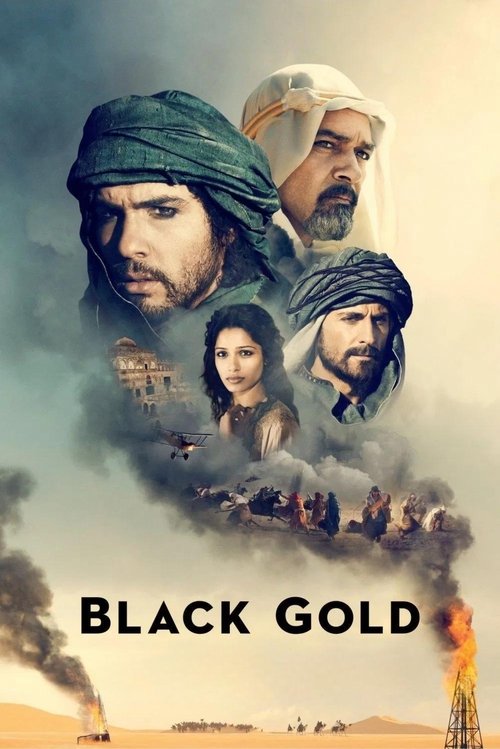
Black Gold succeeds as a post-colonial epic by centering indigenous ability to act. It avoids the common pitfall of a Western-centric gaze, instead framing the arrival of the oil industry as a disruptive, systemic threat to traditional Bedouin life. However, the film remains constrained by the social norms of its 1930s setting. This results in a heavy reliance on patriarchal leadership and a lack of representation for LGBTQ+ identities or diverse gender roles. Ultimately, the film's strength lies in its cultural critique. It challenges the idea of industrial progress by highlighting the tension between local sovereignty and global corporate interests.
Category Breakdown
The film focuses on traditional tribal structures and patriarchal lineage. There are no representations of LGBTQ+ identities or narratives that question the assumption that everyone is straight or cisgender.
Male figures like Nesib and Amar play significant roles, reinforcing patriarchal authority. The score highlights the importance of domestic roles to tribal survival.
The narrative centers the Bedouin experience rather than a Western perspective. The predominantly non-Anglo-Saxon cast allows indigenous characters to drive the plot and define their sovereignty.
The film critiques extractive capitalism and Western expansion. It portrays industrial modernity as a predatory force threatening the stability of local traditions and indigenous sovereignty.
There are no prominent depictions of visible or invisible disabilities that serve as central narrative drivers within the story.
Present on Screen
Limited or Absent
Official Synopsis
On the Arabian Peninsula in the 1930s, two warring leaders come face to face. The victorious Nesib, Emir of Hobeika, lays down his peace terms to rival Amar, Sultan of Salmaah. The two men agree that neither can lay claim to the area of no man’s land between them called The Yellow Belt. In return, Nesib adopts Amar’s two boys Saleeh and Auda as a guarantee against invasion. Twelve years later, Saleeh and Auda have grown into young men. Saleeh, the warrior, itches to escape his gilded cage and return to his father’s land. Auda cares only for books and the pursuit of knowledge. One day, their adopted father Nesib is visited by an American from Texas. He tells the Emir that his land is blessed with oil and promises him riches beyond his wildest imagination. Nesib imagines a realm of infinite possibility, a kingdom with roads, schools and hospitals all paid for by the black gold beneath the barren sand. There is only one problem. The precious oil is located in the Yellow Belt.
1997
2014

2016
1956

1975
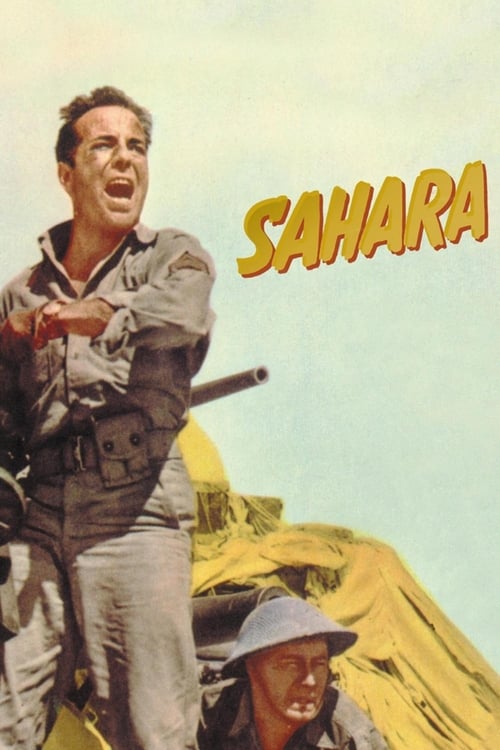
1943
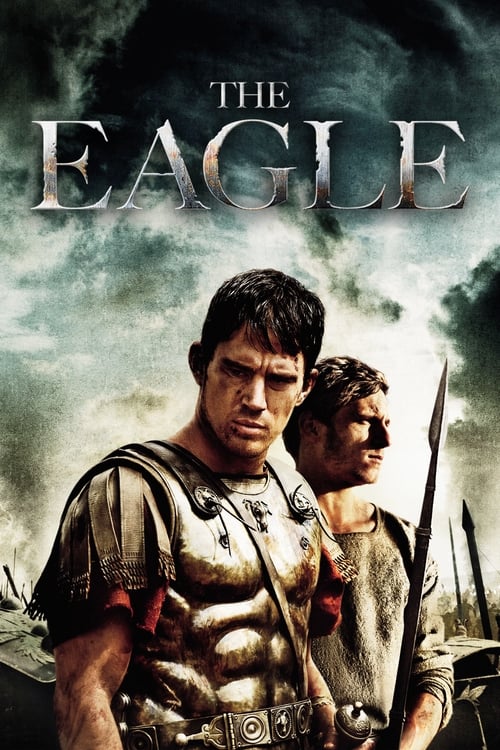
2011
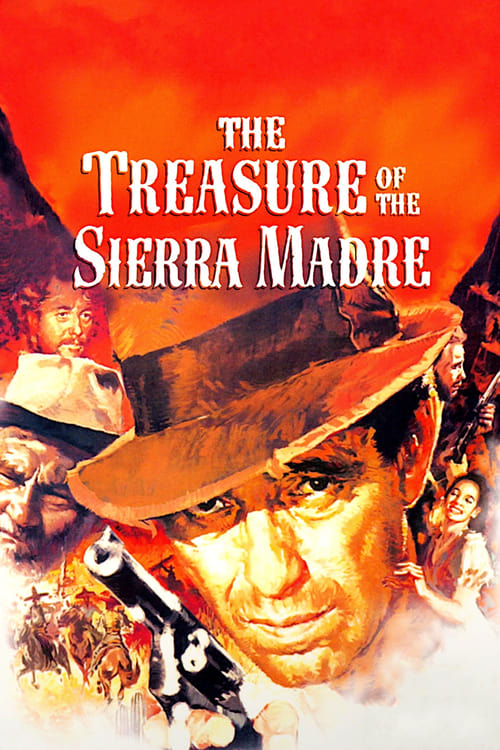
1948
No reviews yet. Be the first to share your thoughts on this movie!
Use the rating form above to leave a star rating and optional review.