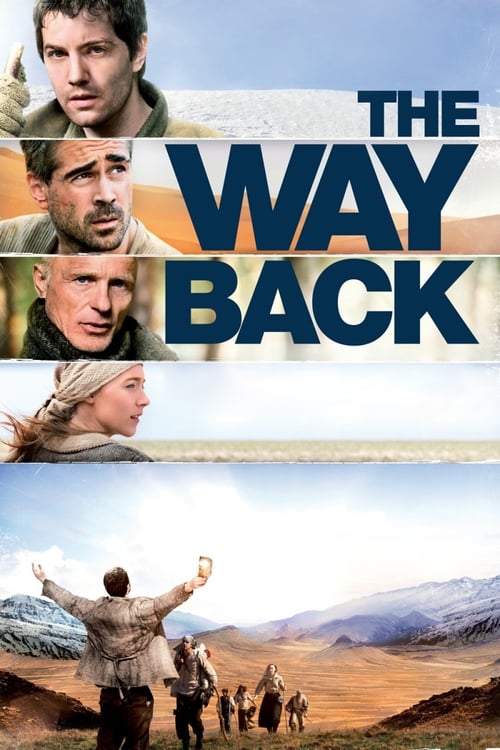
The Way Back
2010
No user ratings available yet
Representation score: 4.6 out of 10
Representation Score
Limited
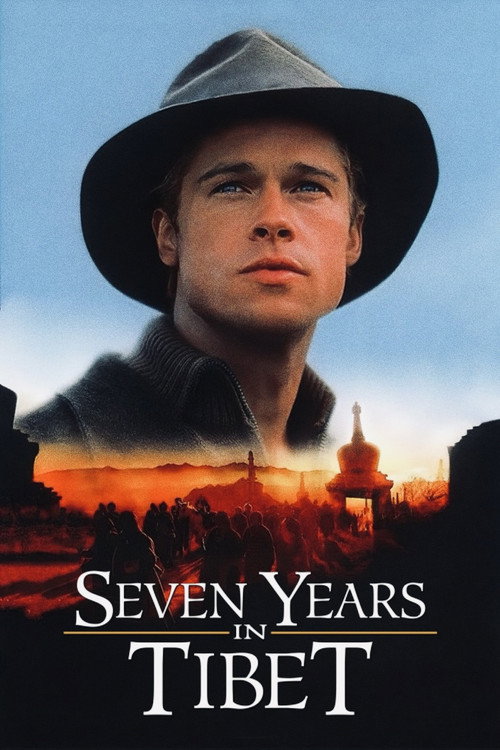
1997
PG-13Director
Jean-Jacques Annaud
Runtime
136 minutes
Average Rating
No ratings yetNew Showbiz Analysis
The film aims to balance cultural depth with traditional social hierarchies. By allowing Eastern spirituality to transform a Western protagonist's worldview, it disrupts the 'civilizing mission' cliché. However, the narrative remains centered on a Western perspective, limiting its ability to provide a fully decolonized viewpoint. Additionally, the lack of gender diversity and LGBTQ+ representation contributes to a lower score. The narrative structure prioritizes male spiritual and political struggles over a broader social spectrum.
Category Breakdown
The film focuses on the platonic bond between male leads and does not include any queer subtext or non-cisgender identities. There are no LGBTQ+ characters or themes explored in the story.
The narrative is driven by male figures such as Harrer and the Dalai Lama. Female characters play supporting roles and do not significantly influence the plot.
The film features a significant Tibetan cast providing cultural immersion. However, the story is interpreted through a Western perspective, with the protagonist serving as the main lens for understanding the Eastern landscape.
The film highlights Tibetan spiritual institutions as the moral center, criticizing authoritarian expansionism. It challenges Western secularism by showcasing Eastern traditions as sources of profound wisdom.
The film does not prominently feature characters with physical or neurodivergent disabilities that drive the narrative forward.
Present on Screen
Limited or Absent
Official Synopsis
Austrian mountaineer Heinrich Harrer journeys to the Himalayas without his family to head an expedition in 1939. But when World War II breaks out, the arrogant Harrer falls into Allied forces' hands as a prisoner of war. He escapes with a fellow detainee and makes his way to Lhasa, Tibet, where he meets the 14-year-old Dalai Lama, whose friendship ultimately transforms his outlook on life.
2010
1962
2002

1957
1997
1961
1956
1937
No reviews yet. Be the first to share your thoughts on this movie!
Use the rating form above to leave a star rating and optional review.