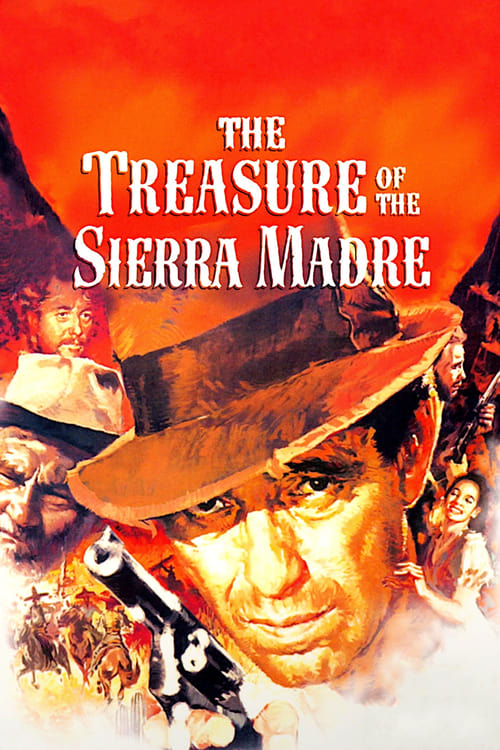
The Treasure of the Sierra Madre
1948
No user ratings available yet
Representation score: 2.0 out of 10

Representation Score
Limited
1975
PGDirector
John Huston
Runtime
129 minutes
Average Rating
No ratings yetNew Showbiz Analysis
John Huston’s direction transforms this adventure into a nuanced critique of systemic arrogance. Despite the lack of gender and LGBTQ+ diversity, the film avoids being a straightforward colonialist epic by dismantling the 'Great Man' theory. The film’s strength lies in its sophisticated post-colonial perspective. It uses the protagonists’ failure to highlight the instability of Western imperialist institutions and the myth of absolute authority. Ultimately, the film’s value is found in its portrayal of the imposition of Western hierarchies on local social fabrics as a source of inevitable tragedy.
Category Breakdown
The story centers on the strong bond between the two male leads, without any queer identities or non-straight relationships in the character arcs.
The film adheres to a patriarchal structure where female characters play minor roles, serving as cultural markers rather than active drivers of the plot.
The narrative features a predominantly non-Anglo-Saxon cast but maintains a colonialist viewpoint. However, it effectively challenges the myth of colonial invincibility through the protagonists' downfall.
The film stands out as an anti-colonialist narrative. It questions the 'civilizing mission' by depicting Western power structures as fragile, doomed, and morally questionable endeavors.
There are no significant representations of visible or invisible disabilities in the narrative arc.
Present on Screen
Limited or Absent
Official Synopsis
Tired of life as soldiers, Peachy Carnehan and Danny Dravot travel to the isolated land of Kafiristan, where they are ultimately embraced by the people and revered as rulers. After a series of misunderstandings, the natives come to believe that Dravot is a god, but he and Carnehan can't keep up their deception forever.
1948
1931

2011
1949
1990
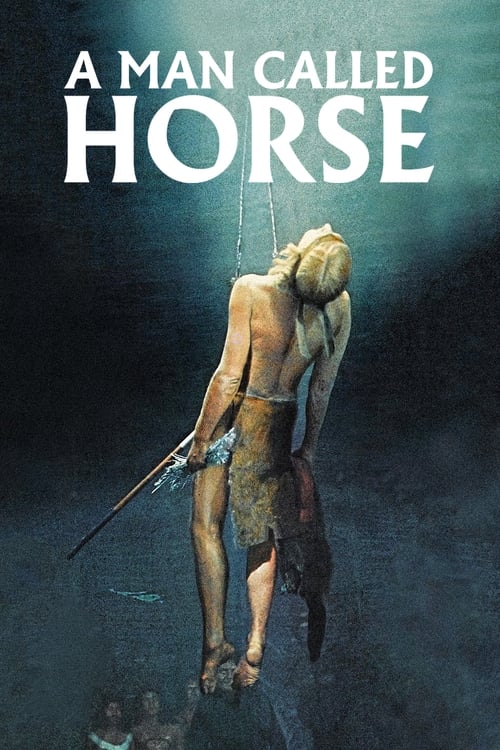
1970
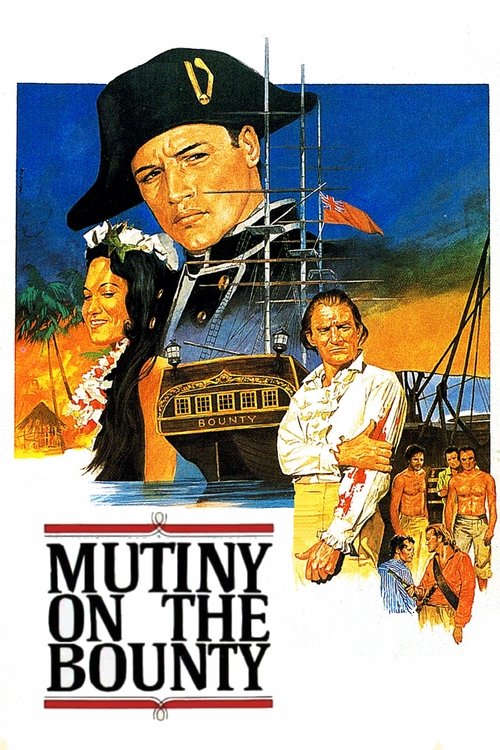
1962
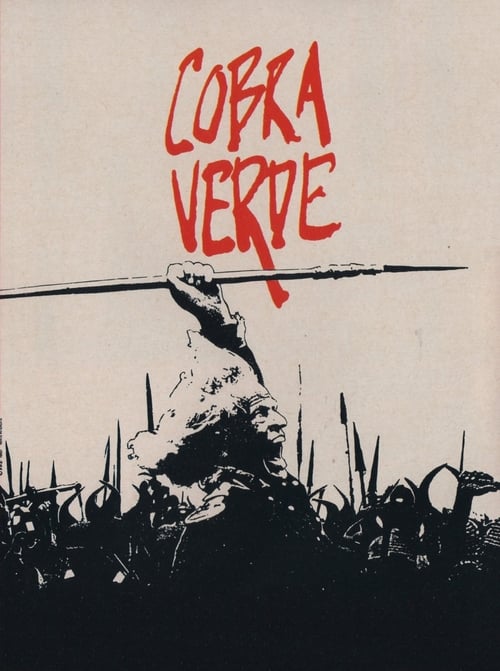
1987
No reviews yet. Be the first to share your thoughts on this movie!
Use the rating form above to leave a star rating and optional review.