
Sale Destin
1987
No user ratings available yet
Representation score: 3.3 out of 10
Representation Score
Limited
1971
Director
Jean Girault
Runtime
85 minutes
Average Rating
No ratings yetNew Showbiz Analysis
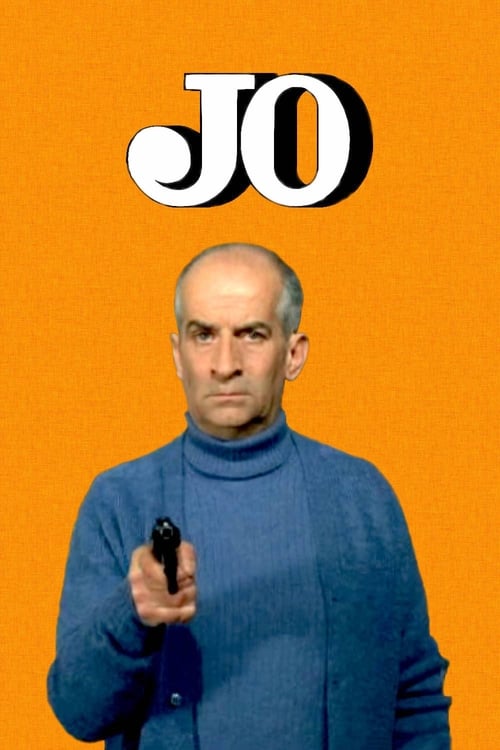
Joe: The Busybody is a conventional crime-comedy set in 1971, following established social and narrative boundaries. The film centers on a male protagonist trying to manage a comedic crisis after an accidental shooting. Because it adheres to standard genre frameworks, it lacks the complexity needed to challenge traditional hierarchies. Instead, it follows a predictable path of trouble-making without engaging in progressive or subversive themes. Ultimately, the film reflects the era’s social norms without intentionally deconstructing cultural or gendered status quos.
Category Breakdown
The film adheres to the social norms of the 1970s, with no representation of non-binary gender identities or critiques of the assumption that everyone is straight or cisgender.
The story revolves around male characters managing crises. Female characters do not challenge traditional gender roles or demonstrate intellectual superiority.
Although a central character is a blackmailer, their racial identity is unspecified. There is no indication of a diverse cast or characters of color.
The film follows a standard comedic storyline centered on legality and social order. It does not critically examine Western institutions, capitalism, or religion.
The movie does not include any characters dealing with physical, sensory, or neurodivergent conditions.
Present on Screen
Limited or Absent
Official Synopsis
A writer accidentally shoots his blackmailer and tries to hide the body.
1987
1980
1974
1981

1964
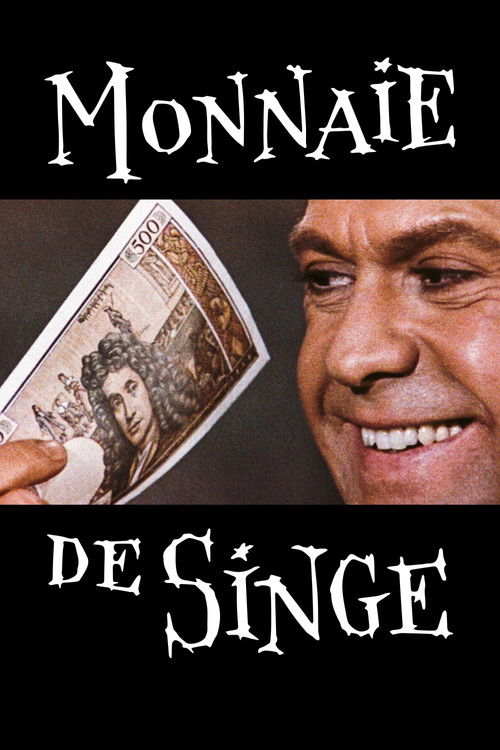
1966
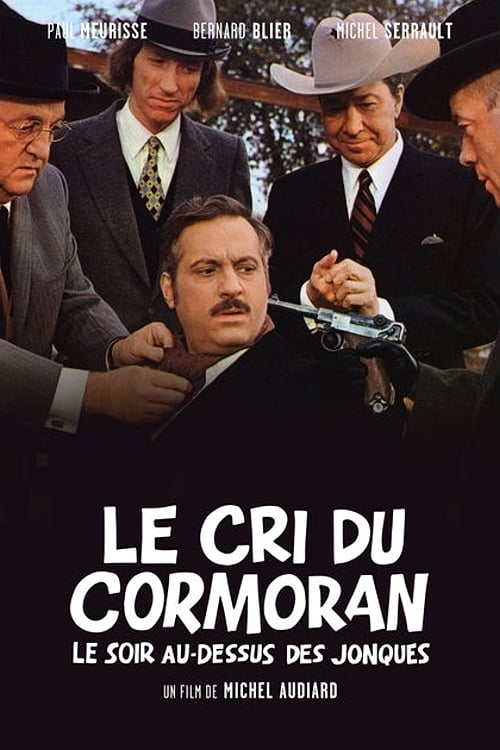
1971
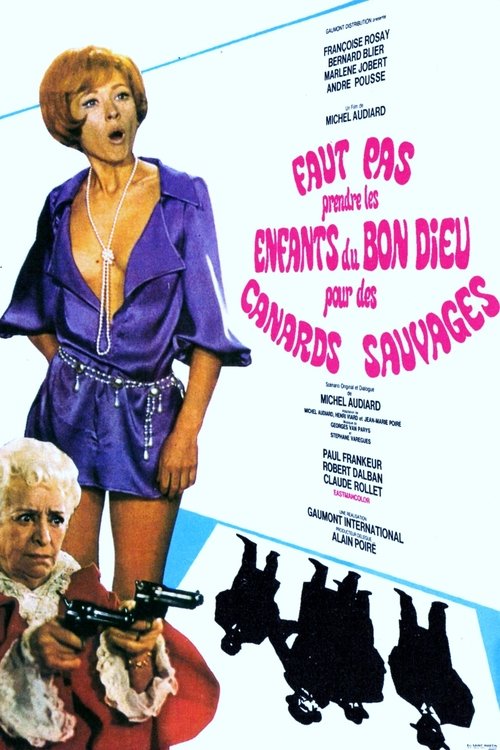
1968
No reviews yet. Be the first to share your thoughts on this movie!
Use the rating form above to leave a star rating and optional review.