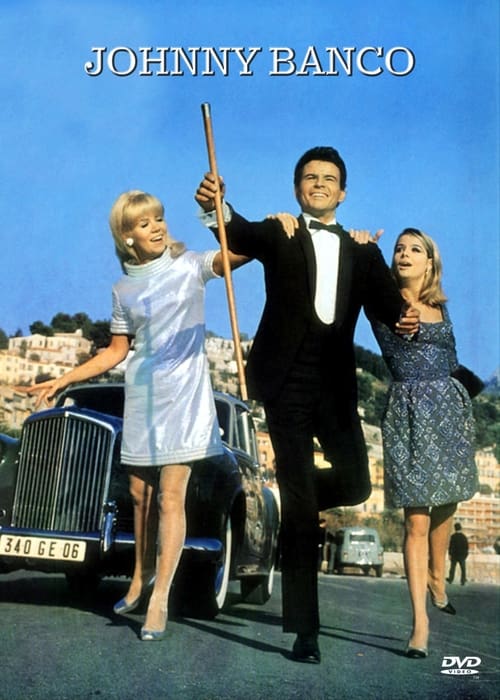
Johnny Banco
1967
No user ratings available yet
Representation score: 2.9 out of 10
Representation Score
Minimal
1966
Director
Yves Robert
Runtime
99 minutes
Average Rating
No ratings yetNew Showbiz Analysis
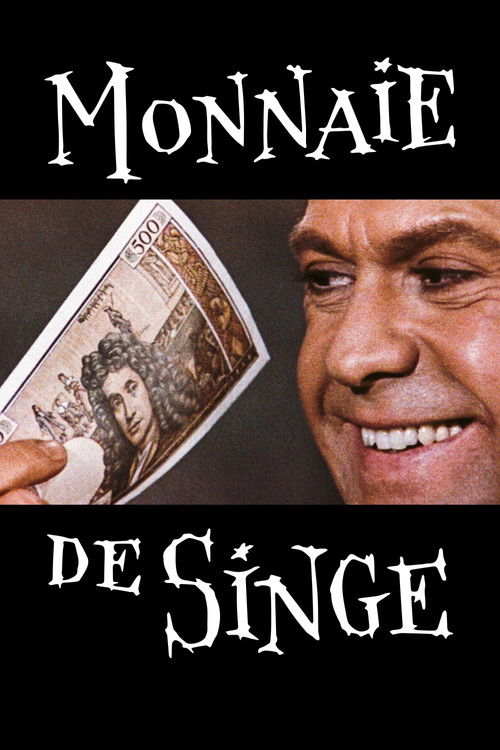
Funny Money is a product of its 1966 era, emphasizing situational farce and slapstick humor over social commentary. The narrative centers on a sidewalk artist caught in a web of counterfeiting and criminal deception, using a very narrow demographic lens. The film relies on established comedic archetypes and a homogeneous social landscape. It lacks intentionality regarding diverse identities, focusing instead on a specific European social stratum and traditional gender roles. Ultimately, the production adheres to the demographic constraints of mid-century French cinema, offering little in the way of modern representation or systemic commentary.
Category Breakdown
The film does not include any LGBTQ+ characters or storylines. It follows a traditional framework that assumes everyone is straight or cisgender.
Female characters follow traditional archetypes, such as a woman pretending to be a grieving widow. She has some influence in the deception, but the power dynamics remain tied to conventional 1960s roles.
The cast is mostly uniform, reflecting a rural French setting. There are no significant non-white or non-Anglo-Saxon characters driving the plot.
The story examines greed and social deception within a working-class community. It functions as a character-driven farce rather than a critique of capitalism or social structures.
There is no representation of physical, sensory, or neurodivergent disabilities in the narrative.
Present on Screen
Limited or Absent
Official Synopsis
Fulbert is a sidewalk artist who is duped into working for a counterfeiter. He accompanies a woman posing as a grieving widow on a trip to Spain in a hearse. Unaware she is the mistress of a notorious gangster, Fulbert is chased by thugs.
1967
1965
1965
1976
1964

1947
1968
1962
No reviews yet. Be the first to share your thoughts on this movie!
Use the rating form above to leave a star rating and optional review.