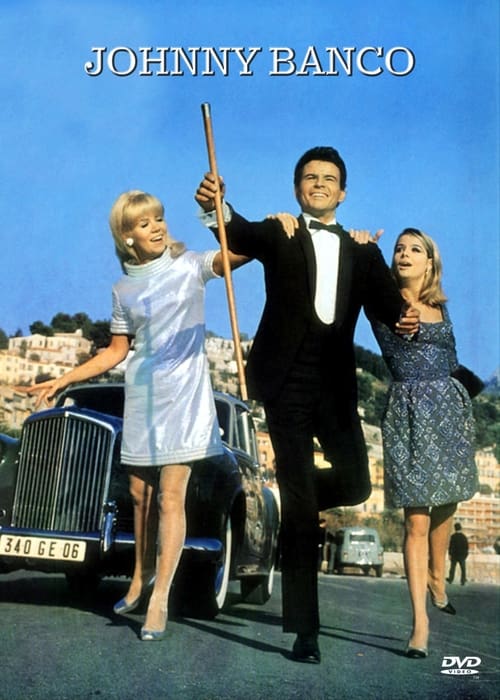
Johnny Banco
1967
No user ratings available yet
Representation score: 2.9 out of 10
Representation Score
Limited
1964
Director
Georges Lautner
Runtime
95 minutes
Average Rating
No ratings yetNew Showbiz Analysis
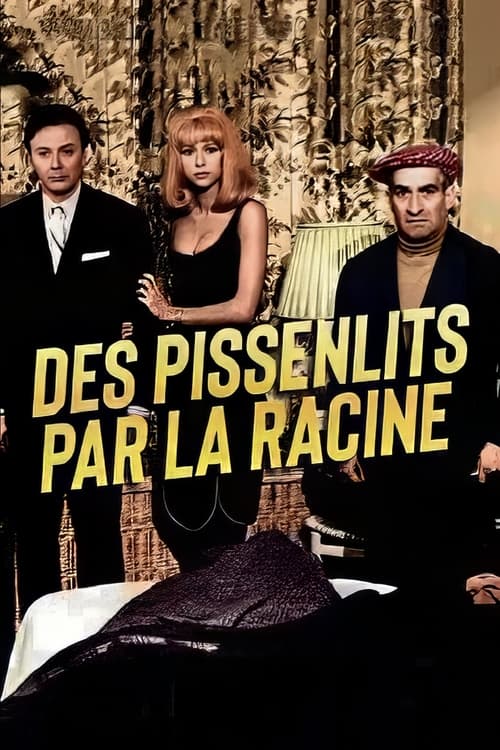
Dandelions by the Roots operates within the traditional cinematic frameworks of 1960s French crime comedy. The narrative is driven by a male-centric plot involving gambling, theft, and accidental violence, which limits the scope of gender and identity representation. While the film lacks diverse demographic engagement, it finds strength in its genre-driven subversion of authority. The chaotic, opportunistic nature of the plot challenges traditional social hierarchies and moral certainty. Ultimately, the film remains a conventional example of mid-century European filmmaking, focusing on kinetic storytelling rather than social or identity-based exploration.
Category Breakdown
The film does not include any explicit LGBTQ+ characters or narratives. It focuses on the transactional, kinetic relationships typical of the 1960s crime genre.
Men play the central roles in the film, with male characters like Jockey Jack and the criminal antagonist driving the plot. The story revolves around male-dominated spheres such as gambling and organized crime.
The production likely reflects the demographic homogeneity of mid-century European cinema. It adheres to the standard Western European casting norms of the 1964 era.
The narrative challenges institutional stability by prioritizing situational ethics over rigid moral codes. It explores a world where individual survival takes precedence over established social order.
There is no evidence of characters with visible or invisible disabilities within the film's context.
Present on Screen
Limited or Absent
Official Synopsis
Jockey Jack has a bill open with a gangster just released from jail. He somehow manages to parry the gangster's knife attack backstage at a theatre and the latter ends up dead being put into a double bass case. A day later the gangster mysteriously has disappeared, but it turns out that he was carrying a bet ticket for a horse race now worth over a million. A turbulent run for the money begins.
1967
1963
1959
1965
1966

1948
1968
1967
No reviews yet. Be the first to share your thoughts on this movie!
Use the rating form above to leave a star rating and optional review.