
The Probability Factor
1976
No user ratings available yet
Representation score: 1.8 out of 10
Representation Score
Fair
1974
Director
Francis Girod
Runtime
107 minutes
Average Rating
No ratings yetNew Showbiz Analysis
The film effectively dismantles social hierarchies and institutional morality. By highlighting the active roles of female protagonists in a criminal scheme, it challenges traditional expectations of domesticity and female passivity. However, the film lacks broad demographic representation. It remains confined to a Western European context, offering limited representation for LGBTQ+ or racially diverse audiences. Ultimately, the film is a character-driven exploration of moral ambiguity. It shifts away from traditional social virtues to a more cynical perspective on how individuals navigate societal structures for personal benefit.
Category Breakdown
The film centers on heterosexual relationships and does not include any queer narratives or non-cisgender identities.
Philomène and Catherine actively participate in a criminal enterprise, challenging traditional stereotypes by portraying them as intelligent and proactive.
The cast predominantly features white, European actors reflecting post-war France. Although there are some German characters, there is no significant diversity in race or ethnicity.
The story critiques Western institutions by depicting the legal system as corrupt. It emphasizes a subjective morality over traditional ethical standards.
There are no characters with visible or invisible disabilities that play a central role in the story or plot development.
Present on Screen
Limited or Absent
Official Synopsis
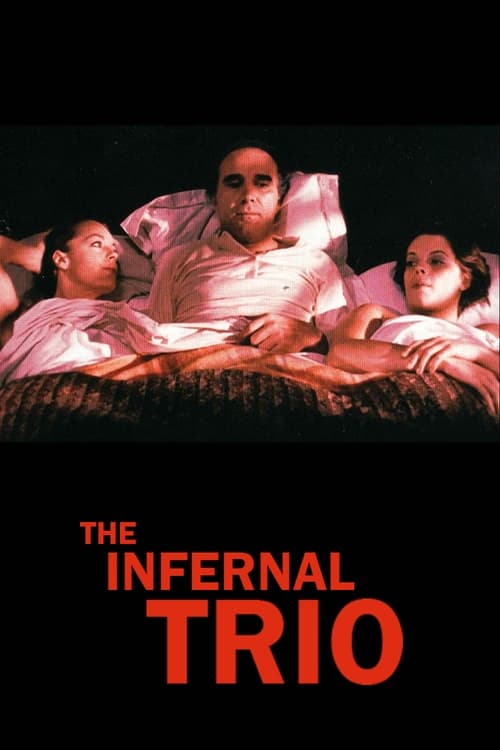
Marseilles, 1919. Georges Sarret is a distinguished and respected lawyer, recently honoured for his services in the First World War. He takes as his lover Philomène Schmidt, a young German woman, who has just lost her job and home. To enable Philomène to remain in France, Georges finds her a husband – who dies conveniently of natural causes a month after the wedding. Georges repeats the trick with Philomène's sister, Catherine – marrying her off to an old man who dies suddenly so that the scheming trio can profit from his life insurance. When an accomplice in the scheme, Marcel Chambon, threatens to blackmail them, Georges and his two lovers have no option but to kill him and his mistress...
1976

1971
1951
1986
1991
1947
1961

1988
No reviews yet. Be the first to share your thoughts on this movie!
Use the rating form above to leave a star rating and optional review.