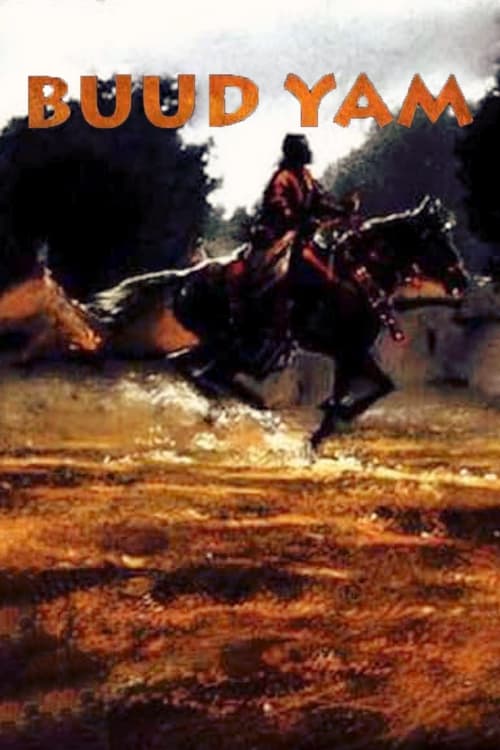
Buud Yam
1997
No user ratings available yet
Representation score: 6.0 out of 10
Representation Score
Excellent
1983
Director
Gaston Kaboré
Runtime
71 minutes
Average Rating
No ratings yetNew Showbiz Analysis
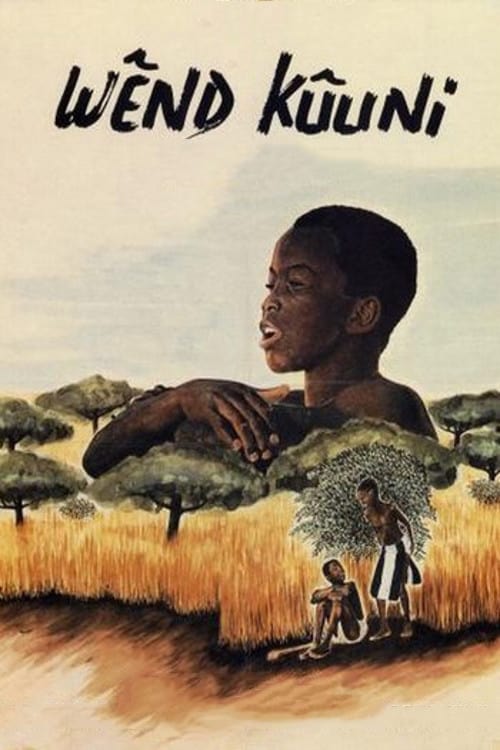
God's Gift is a powerful act of cultural reclamation that centers West African history and indigenous social structures. By focusing on a pre-colonial savanna setting, the film moves African identity from the periphery to the heart of the cinematic experience. The film excels in racial and cultural authenticity, using local spiritual frameworks and communal values to challenge Western-centric historical clichés. This provides a strong foundation for a narrative that prioritizes collective identity over individualistic models. While the film offers a nuanced look at communicative disability, it provides less clarity regarding gender hierarchies and LGBTQ+ representation. The focus remains largely on traditional familial structures and village integration.
Category Breakdown
The film does not explicitly depict LGBTQ+ identities or relationships outside of heterosexual norms. The story focuses on familial bonds and the protagonist's integration into a village community.
The protagonist's sister plays a central role in the emotional storyline, but the broader roles and ability to act of women within the village remain undefined.
The film offers exceptional representation by centering a pre-colonial West African setting. It places African characters and indigenous life at the heart of the story, challenging Western-centric views.
The narrative showcases a sophisticated society rooted in indigenous spirituality. The protagonist's name, meaning 'God's Gift,' reflects a spiritual framework that is distinctly non-Western.
The protagonist's mutism is portrayed with nuance, connecting his silence to psychological trauma. His ability to speak is linked to his internal struggle to reconcile his past with his present.
Present on Screen
Limited or Absent
Official Synopsis
In pre-colonial times a peddler crossing the savanna discovers a child lying unconscious in the bush. When the boy comes to, he is mute and cannot explain who he is. The peddler leaves him with a family in the nearest village. After a search for his parents, the family adopts him, giving him the name Wend Kuuni (God's Gift) and a loving sister with whom he bonds. Wend Kuuni regains his speech only after witnessing a tragic event that prompts him to reveal his own painful history.
1997
1955
1992

1988
2008

1937
2015
2017
No reviews yet. Be the first to share your thoughts on this movie!
Use the rating form above to leave a star rating and optional review.