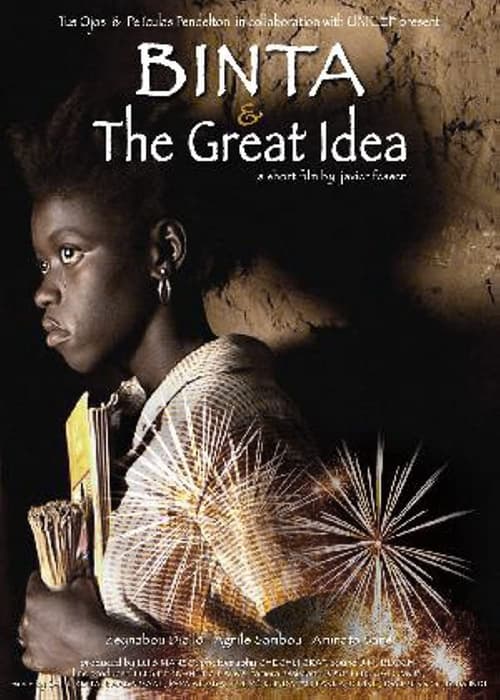
Binta and the Great Idea
2004
No user ratings available yet
Representation score: 8.7 out of 10
Representation Score
Good
1989
Director
Idrissa Ouedraogo
Runtime
90 minutes
Average Rating
No ratings yetNew Showbiz Analysis
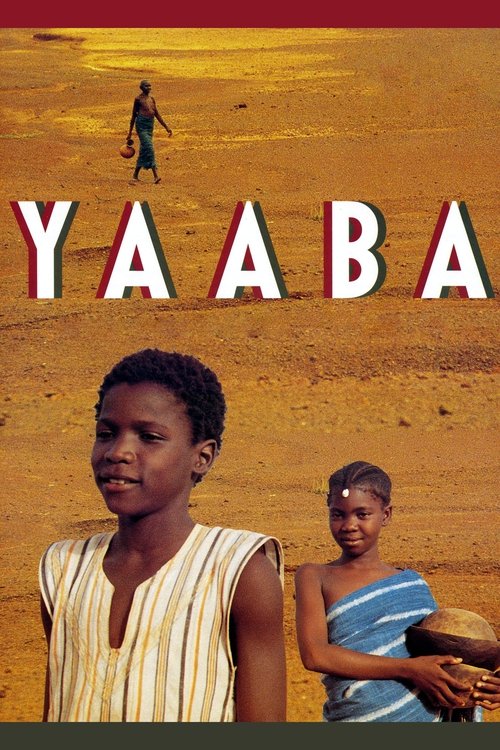
Yaaba is a profound examination of social utility and communal ethics. It succeeds by presenting a deeply authentic West African setting that avoids external stereotypes, offering a nuanced look at indigenous kinship and social structures. The film's strength lies in its sophisticated critique of traditional hierarchies. By centering an elderly woman who has lost her domestic utility, the narrative challenges the morality of the collective and the ways communities marginalize the vulnerable. However, the film lacks representation for LGBTQ+ identities and does not focus on specific physical disabilities. Its scope is intentionally localized, which limits its engagement with these specific modern diversity metrics.
Category Breakdown
The film does not include any LGBTQ+ characters or narratives. The social structure remains focused on traditional community norms without incorporating queer themes.
The narrative challenges patriarchal norms by focusing on an elderly woman whose influence exists beyond traditional domestic roles. Yaaba's independence in medicine defies the village's undervaluation of women.
The film provides an authentic glimpse into West African life with an entirely Black cast. It avoids the Western perspective by emphasizing local ability to act and specific Burkinabé cultural elements.
The story critiques rigid social norms that prioritize communal utility over individual dignity. It portrays the village institution as a source of systemic oppression for those sidelined.
The film examines the social impact of aging and the experience of being viewed as a burden. It highlights the psychological strain of being considered a communal liability.
Present on Screen
Limited or Absent
Official Synopsis
A small African village. The story focuses on Bila, a ten year old boy who befriends an old woman, Sana. Everybody calls her 'Witch' but Bila himself calls her 'Yaaba' (grandmother). When Bila's cousin Nopoko gets sick it is Sana's medicine that saves her.
2004
2002

1980

1999
1988
2017

1997
2019
No reviews yet. Be the first to share your thoughts on this movie!
Use the rating form above to leave a star rating and optional review.