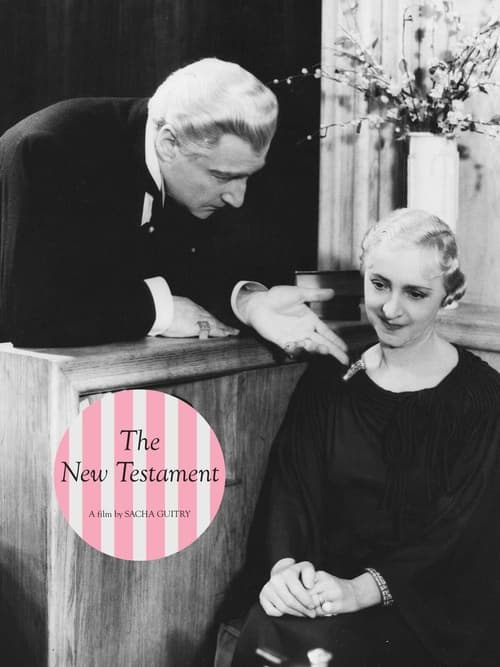
The New Testament
1936
No user ratings available yet
Diversity score: 2.4 out of 10
1936
Not RatedDirector
Sacha Guitry
Runtime
98 minutes
Average Rating
No ratings yetSynopsis
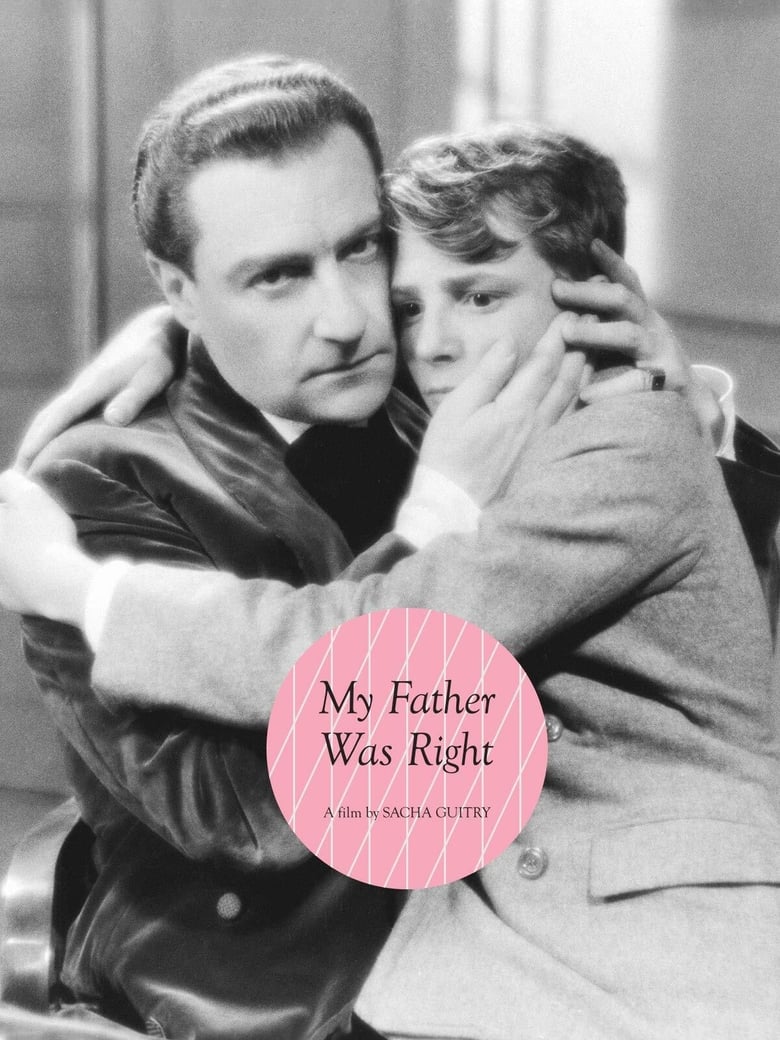
After being left for another man by his wife, Charles Bellanger raises his only son to fear and suspect women. Years later, such an education is bearing fruit.
Overall Score
Minimal
Category Breakdown
LGBTQ+ Representation
The film lacks any evidence of non-heteronormative identities or queer narratives. The plot centers entirely on a traditional marital breakdown and its impact on a heterosexual male lineage.
Gender Representation
The narrative reinforces traditional gender hierarchies. The central conflict stems from a male protagonist's resentment of female agency, using his son to perpetuate a worldview of suspicion toward women.
Racial & Ethnic Diversity
Reflecting the homogeneous demographic standards of 1936 French cinema, there is no indication of racial blending. The film appears to lack non-European or non-Anglo-Saxon characters.
Religious & Cultural Diversity
The story operates within traditional Western social structures. It aligns with conservative social archetypes of the period rather than offering anti-institutional or secularist perspectives.
Disability Representation
There is no evidence within the narrative to suggest the inclusion of characters with visible or invisible disabilities.
Strengths
Areas for Improvement
AI Analysis
Sacha Guitry’s comedy is deeply rooted in the patriarchal social structures of 1930s France. The film functions as a character study on how parental influence shapes gender perceptions, specifically through a lens of male skepticism toward women. The narrative architecture prioritizes traditional bourgeois interpersonal dynamics. By focusing on a father's attempt to indoctrinate his son following a personal grievance of infidelity, the film reinforces existing gendered hierarchies rather than challenging them. Ultimately, the work lacks intersectional depth, offering a narrow view of domestic life that reflects the homogeneous and conservative social standards of its era.
1936
1935
1947
1908

1927
1934
1935
1946
1938
1931

1950

1937
No reviews yet. Be the first to share your thoughts on this movie!
Use the rating form above to leave a star rating and optional review.