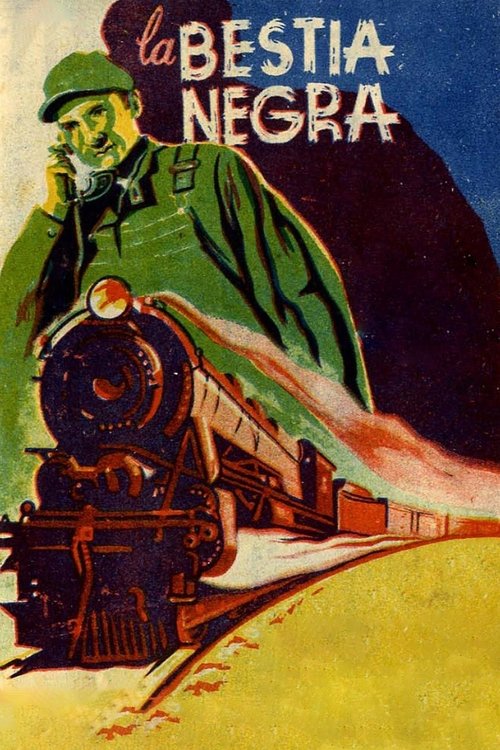
La bestia negra
1939
No user ratings available yet
Representation score: 2.7 out of 10
Representation Score
Minimal
1931
PassedDirector
George B. Seitz
Runtime
74 minutes
Average Rating
No ratings yetNew Showbiz Analysis
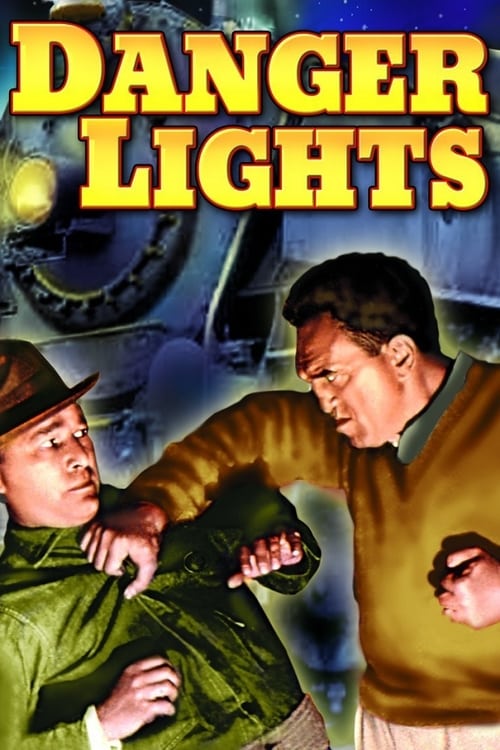
Danger Lights is a conventional 1930s adventure-drama that prioritizes industrial labor and traditional masculine roles. The narrative structure follows a linear path of mentorship and romantic rivalry, reinforcing the social hierarchies of its era. The film lacks multi-layered complexity, focusing instead on the professional duties of railroad workers. This results in a story that adheres strictly to the straight-centered and Anglo-centric standards common in early sound-era cinema. Ultimately, the work functions as a period piece that celebrates foundational American capitalist structures rather than challenging them through diverse perspectives.
Category Breakdown
The film does not include any characters with non-binary gender identities. The main conflict revolves around a traditional heterosexual love triangle involving Dan, his protégé, and Mary.
Male characters drive the plot and emotional conflicts. Mary is primarily portrayed as an object of affection rather than a character with independent authority.
The narrative adheres to the era's standard Anglo-centric norms. There is no explicit mention of racial or ethnic diversity among the characters.
The story upholds traditional Western values of industry and labor. It emphasizes professional duty and the stability of the railroad over any critique of institutional structures.
While the protagonist is described as physically unattractive, it is unclear if this portrayal highlights a disability or simply serves as a standard character trait.
Present on Screen
Limited or Absent
Official Synopsis
Head railroad man Dan is as ugly as he is honorable. When he spots a drifter who'd hopped a freight held up by a landslide, Dan offers the man a job; then he finds the man was a railroader, too, and takes him under his wing. Engaged to Mary, Dan doesn't notice the growing attraction between his protégé and his intended but focuses instead on running the railroad.
1939

1932
1926
1930
1933
1948
1927
1930
No reviews yet. Be the first to share your thoughts on this movie!
Use the rating form above to leave a star rating and optional review.