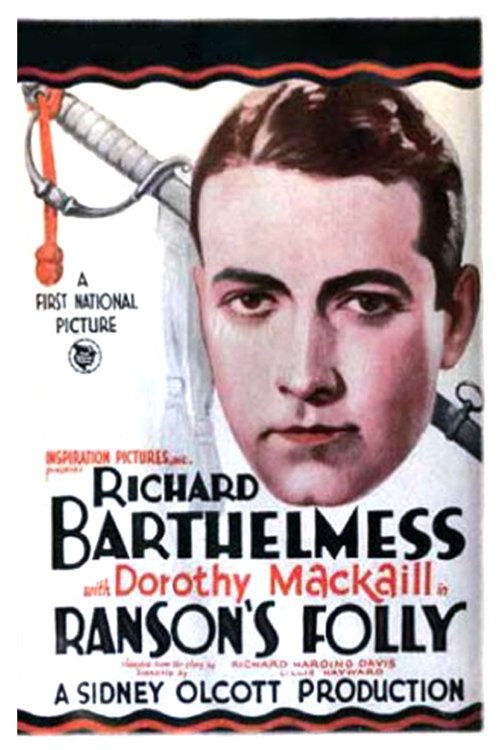
Ranson's Folly
1926
No user ratings available yet
Representation score: 0.4 out of 10
Representation Score
Minimal
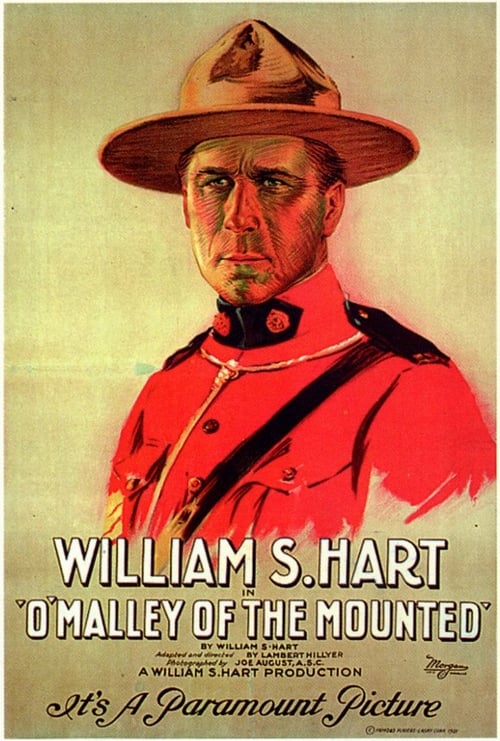
1921
PassedDirector
Lambert Hillyer
Runtime
60 minutes
Average Rating
No ratings yetNew Showbiz Analysis
O'Malley of the Mounted is a standard silent-era adventure that prioritizes traditional heroism and clear moral dichotomies. The plot relies on established genre clichés, focusing on a law enforcement officer's mission to uphold justice. The film reinforces existing social and legal hierarchies rather than challenging them. It centers on a male protagonist's active role and a conventional romantic subplot, offering little complexity in terms of diverse perspectives or non-traditional identities.
Category Breakdown
The film follows a conventional heterosexual romance between the protagonist and a criminal's sister. It does not include any representation of LGBTQ+ identities or narratives that challenge traditional assumptions about sexuality.
Sergeant O'Malley drives the plot through physical action and investigative efforts. The female lead primarily serves as a romantic interest, a cliché that limits her role to emotional support.
The narrative likely focuses on a homogeneous cast typical of 1921 Western cinema. There is no indication of diverse ethnic groups holding positions of influence within the story.
The story celebrates the authority of the RCMP and the preservation of social stability. It reinforces traditional Western institutional values and the concept of state-sanctioned law and order.
The available narrative provides no information regarding characters with physical or neurodivergent disabilities. No representation of disability is present in the known synopsis.
Present on Screen
Limited or Absent
Official Synopsis
Sergeant O'Malley of the Royal Canadian Mounted Police gets himself into a gang of outlaws in order to detect and capture a wanted murderer. He finds the killer, but falls in love with the man's sister. In the meantime, one of the outlaws uncovers O'Malley's true identity.
1926
1923
1931
1919
1927
1920
1924
1920
No reviews yet. Be the first to share your thoughts on this movie!
Use the rating form above to leave a star rating and optional review.