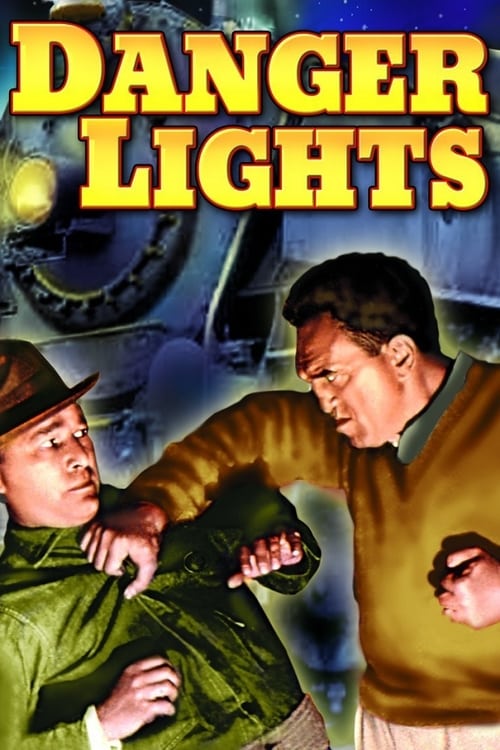
Danger Lights
1931
No user ratings available yet
Representation score: 0.9 out of 10
Representation Score
Limited
1939
Director
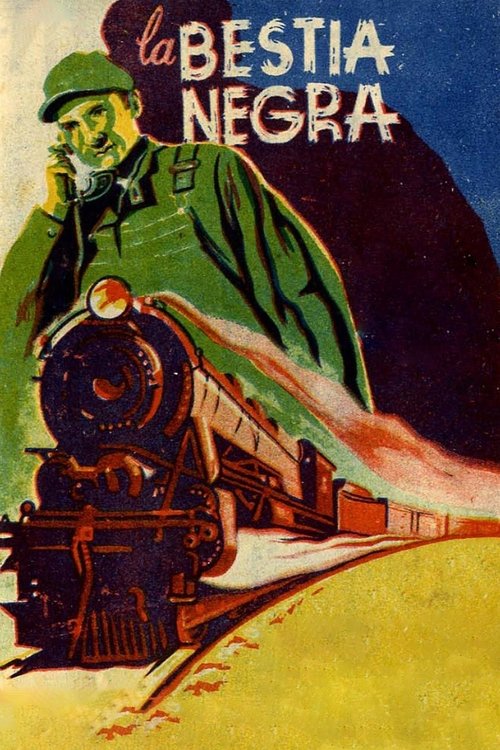
Gabriel Soria
Runtime
97 minutes
Average Rating
No ratings yetNew Showbiz Analysis
La bestia negra is a product of the traditional cinematic landscape of 1939. The film follows the standard dramatic and adventure frameworks of the time, emphasizing established social structures over diverse representation. The narrative centers on railroad workers, a setting that historically favors male-dominated hierarchies and physical strength. This focus suggests a lack of diversity in both gender roles and racial representation. Ultimately, the film reflects the era's social constraints. It upholds conventional views on work and community without attempting to disrupt or challenge the period's dominant norms.
Category Breakdown
The film does not include any characters with non-traditional gender identities or same-sex relationships. The focus is on railroad workers, which creates a traditionally masculine environment.
The story emphasizes traditional gender roles through its focus on railroad labor. There is no indication that the film challenges these roles or portrays masculinity as ineffective.
Given the era's production constraints, the film likely features a predominantly white cast. There is no significant racial diversity or characters of color with substantial influence.
The story adheres to the conventional moral and social norms of 1939. It focuses on industrial labor and standard views on community and social order.
Disability is not a central theme in this adventure drama. Physical impairments are likely either omitted or used as minor plot devices without much importance.
Present on Screen
Limited or Absent
Official Synopsis
Two train drivers find a little girl who escaped from a circus due to mistreatment and one of them decides to adopt her.
1931
1973
1965

1926
1948
1939
1987
1925
No reviews yet. Be the first to share your thoughts on this movie!
Use the rating form above to leave a star rating and optional review.