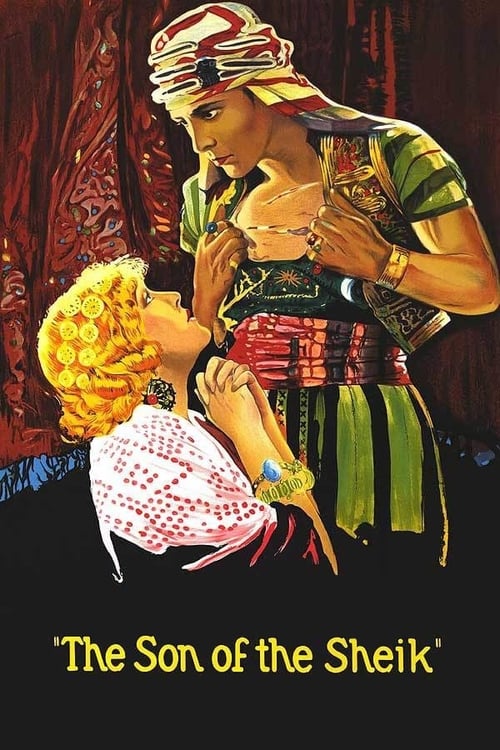
The Son of the Sheik
1926
No user ratings available yet
Representation score: 0.4 out of 10
Representation Score
Minimal
1926
PassedDirector
Edward Laemmle
Runtime
70 minutes
Average Rating
No ratings yetNew Showbiz Analysis
This film is a typical product of 1920s Hollywood, following the era's standard social and narrative structures. It relies heavily on melodramatic and conventional romantic clichés to propel its storyline. While Lucy Fay briefly exhibits independence by leaving her husband, the film ultimately emphasizes female vulnerability. The main conflict revolves around a woman being compromised by a predatory man. Overall, the film lacks depth in representing diverse identities. It presents a homogeneous and traditional Western perspective without engaging with multi-layered issues.
Category Breakdown
The film centers around a heterosexual love triangle and does not include any same-sex relationships or characters with non-cisgender identities.
Lucy Fay breaks away from her marriage, showing a degree of independence and challenging traditional domestic roles. However, Drina is portrayed as passive and vulnerable, primarily defined by her interactions with a predatory male character.
The cast appears uniform, reflecting the predominantly white and Anglo-Saxon society of the 1920s. There is no representation of non-white or non-Anglo-Saxon individuals.
The story adheres to traditional Western moral standards concerning infidelity and corruption, functioning as a conventional cautionary tale without critiquing societal institutions.
The narrative does not feature any characters dealing with physical disabilities or neurodivergence. Challenges faced by characters are purely social and situational.
Present on Screen
Limited or Absent
Official Synopsis
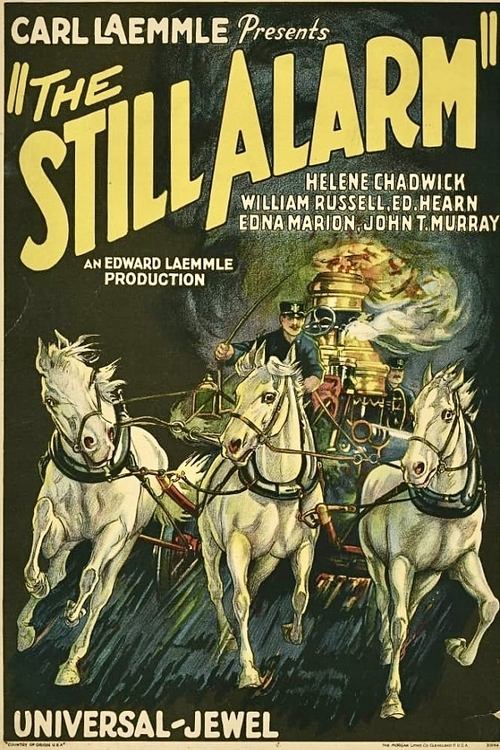
Lucy Fay leaves her husband, Richard, a fireman, for a suave politician, Perry Dunn. Richard compensates for the loss by adopting Drina, a baby girl whose mother perished in a fire. Drina develops into a beautiful young lady and becomes a model at a modiste shop owned by Dunn and managed by Lucy. Dunn is attracted to Drina and plots to get her alone by giving her a drugged drink. An untimely fire interferes with his plans, leaving Drina drugged and trapped by flames in Dunn's room, where she is sleeping.
1926
1920

1919
1927
1926
1932
1920
1927
No reviews yet. Be the first to share your thoughts on this movie!
Use the rating form above to leave a star rating and optional review.