The Luck o' the Foolish
1924
No user ratings available yet
Diversity score: 2.1 out of 10
1921
GDirector
Jess Robbins
Runtime
24 minutes
Average Rating
No ratings yetSynopsis
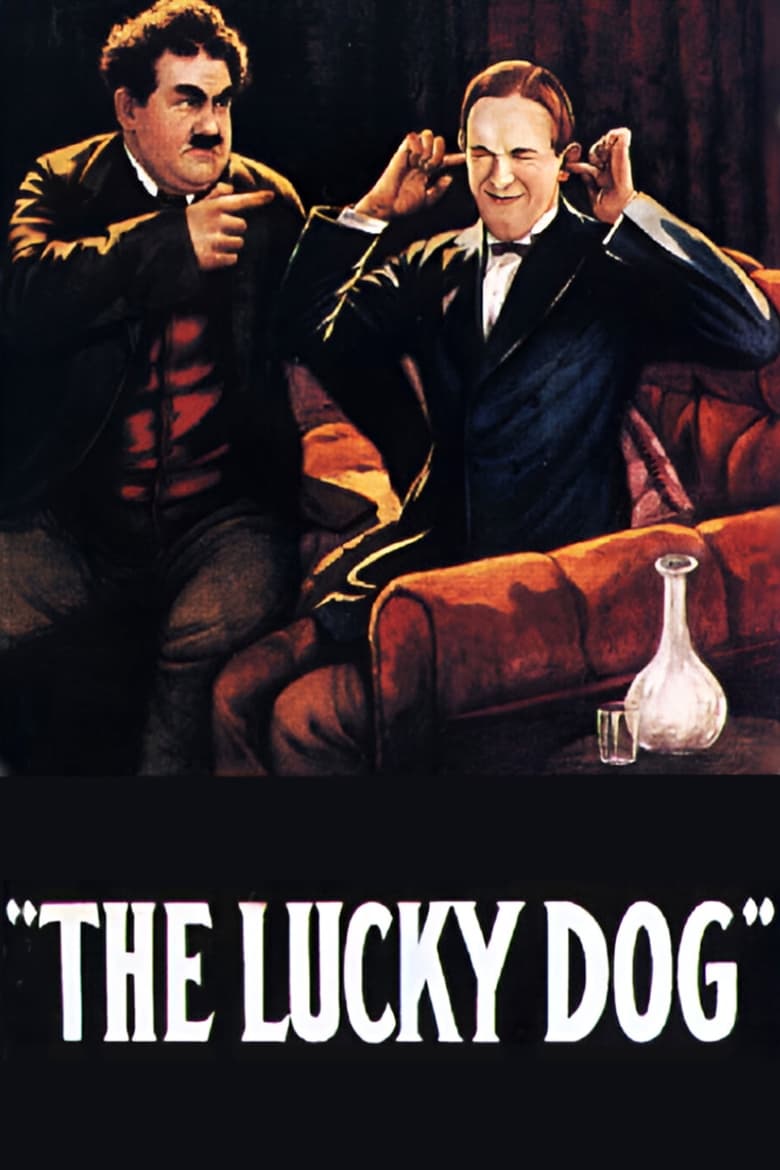
In their first screen appearance together, Stan plays a penniless dog lover and Oliver plays a crook who tries to rob him and his new paramour.
Overall Score
Minimal
Category Breakdown
LGBTQ+ Representation
The narrative focuses on a romantic pairing between the protagonist and a paramour. There is no evidence of queer subtext or non-cisnormative identities.
Gender Representation
The plot centers on a male-driven conflict between a dog lover and a crook. The female paramour serves primarily as a catalyst for male interactions.
Racial & Ethnic Diversity
The film reflects the homogeneous casting norms of 1921. There is no evidence of non-white or non-Anglo-Saxon characters in the production.
Religious & Cultural Diversity
The story relies on traditional comedic tropes regarding poverty and petty crime. It does not challenge Western institutional norms or offer systemic critiques.
Disability Representation
There is no documented evidence of characters with visible or invisible disabilities within the film's context.
Strengths
Areas for Improvement
AI Analysis
The Lucky Dog is a product of the early 1920s slapstick era, prioritizing character-driven physical humor over social commentary. The narrative structure is built around standard comedic archetypes, such as the penniless protagonist and the thief. Diversity is limited by the period's casting and storytelling norms. The film adheres to heteronormative standards and traditional gender roles, with female characters serving secondary functions to the male-led conflict. Ultimately, the film functions as a foundational text for Laurel and Hardy's chemistry rather than a work designed to disrupt social hierarchies or represent intersectional identities.
1924
1919
1929
1934
1920

1931
1926

1939
1932
1931
1918
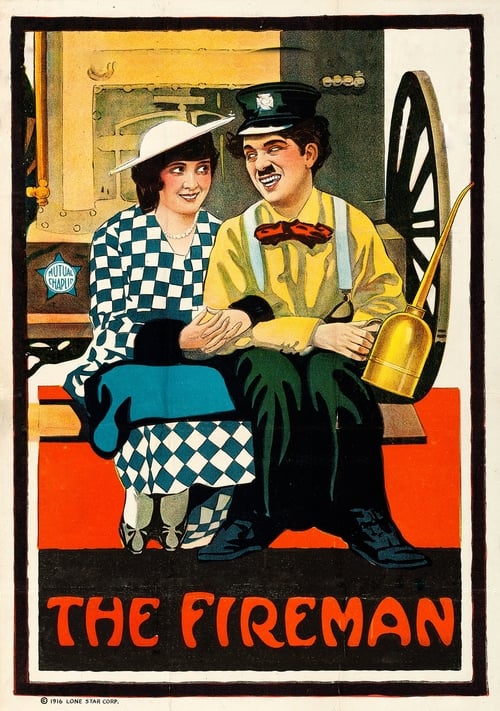
1916
No reviews yet. Be the first to share your thoughts on this movie!
Use the rating form above to leave a star rating and optional review.