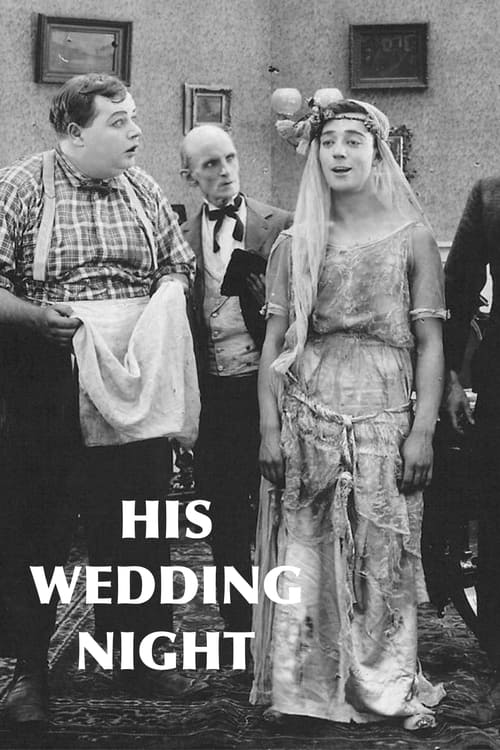
His Wedding Night
1917
No user ratings available yet
Representation score: 1.4 out of 10
Representation Score
Minimal
1919
NRDirector
Roscoe Arbuckle
Runtime
22 minutes
Average Rating
No ratings yetNew Showbiz Analysis
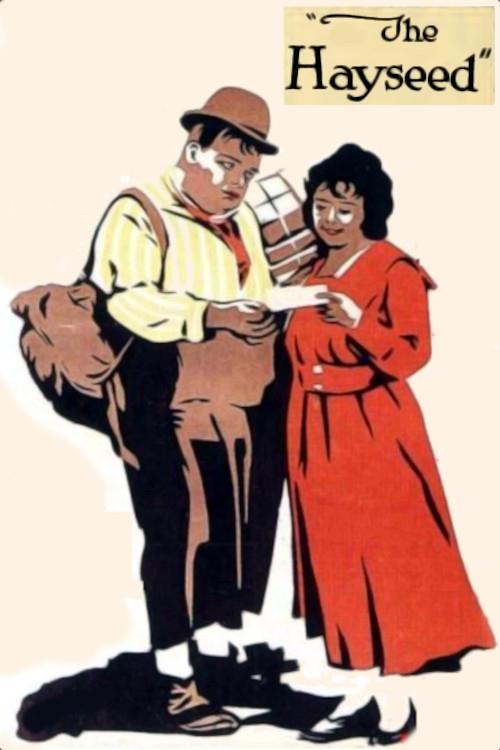
The Hayseed is a product of its time, functioning as a standard period comedy that adheres to the social and demographic constraints of 1919. The narrative relies on slapstick conflict and traditional romantic dynamics rather than multi-layered complexity. While the film provides foundational silent comedy, it does not attempt to disrupt established social hierarchies. The characters and plot points reinforce the conventional clichés and homogeneous casting typical of early 20th-century cinema.
Category Breakdown
The film focuses on a traditional romance between Buster and Molly. There is no depiction of LGBTQ+ identities or challenges to the assumption that everyone is straight or cisgender.
The story centers on male-dominated conflicts among a store manager, a mail carrier, and a constable. Molly serves mainly as an object of pursuit rather than an active participant.
The cast appears homogeneous, reflecting the casting standards of early Hollywood. The story focuses on a white, Anglo-Saxon protagonist without visible non-white leads.
The plot follows a standard comedic structure of small-town mischief and resolution. It does not critique Western institutions or promote secularism or atheism.
There is no evidence of characters with visible or invisible disabilities in this short film.
Present on Screen
Limited or Absent
Official Synopsis
Buster manages the store while Roscoe delivers the mail, taking time out for hide-and-seek with Molly. The constable, also interested in Molly, steals $300 while being observed by Buster.
1917
1940
1919

1923
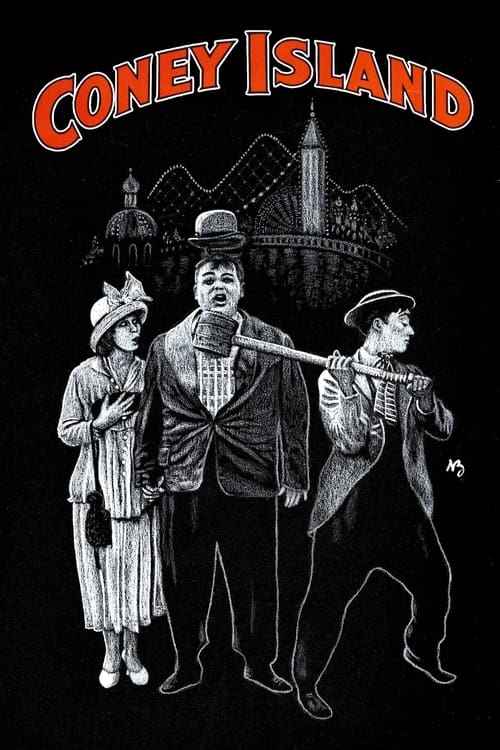
1917

1917
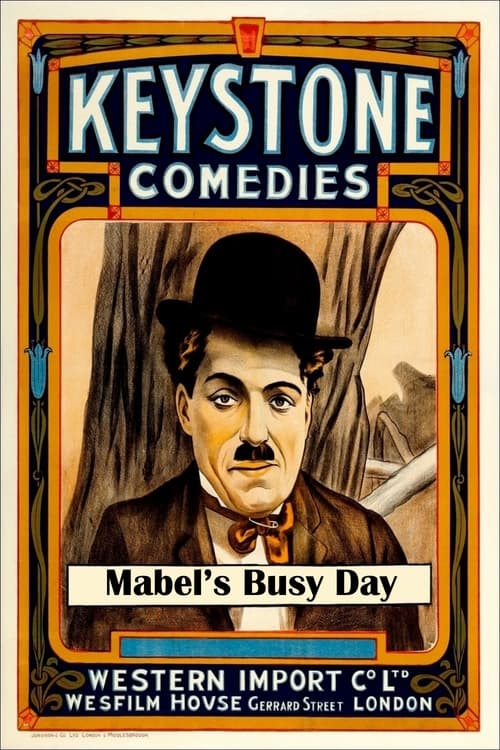
1914
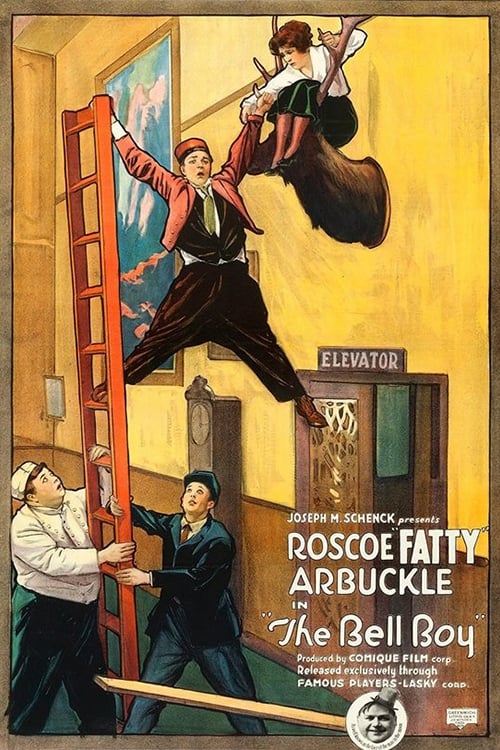
1918
No reviews yet. Be the first to share your thoughts on this movie!
Use the rating form above to leave a star rating and optional review.