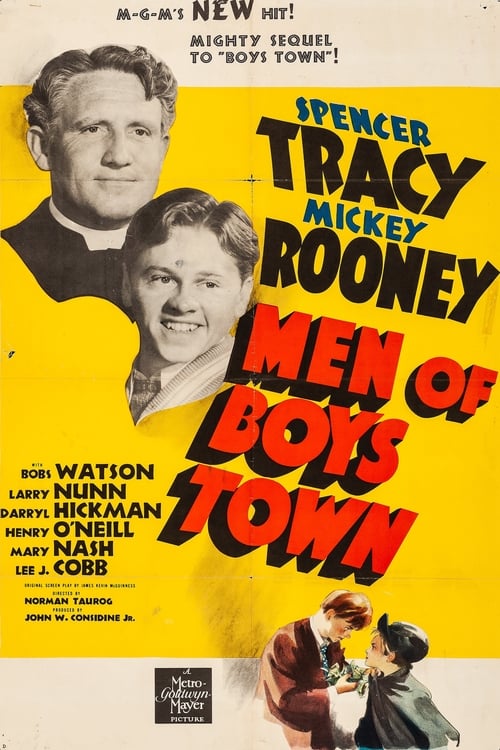
Men of Boys Town
1941
No user ratings available yet
Representation score: 1.5 out of 10
No Poster Available
Representation Score
Minimal
1919
PassedDirector
George D. Baker
Runtime
50 minutes
Average Rating
No ratings yetNew Showbiz Analysis
The Lion's Den is a conventional social drama that prioritizes traditional moral frameworks and social hierarchies. The narrative centers on a struggle between clerical authority and private wealth, specifically through the conflict between a Reverend and a wealthy grocer. Because the film adheres to the established storytelling structures of the silent era, it lacks complexity in addressing multiple aspects of identity. The focus remains on a singular moral struggle regarding community welfare and economic interests. Ultimately, the film reflects the standard cinematic conventions of its time, reinforcing existing social structures rather than challenging them through diverse perspectives or systemic critiques.
Category Breakdown
The film focuses on traditional social roles centered around a Reverend and a grocer. There is no evidence of non-straight relationships or critiques of straight relationships.
The primary conflict is driven by two male figures. This lack of female involvement suggests a reliance on the traditional gendered power structures common to 1919 dramas.
The film lacks evidence of intentional racial blending or diverse casting. It appears to follow the homogeneous, Anglo-centric casting norms typical of early 20th-century studio productions.
The story explores a clash between religious mission and commerce. It functions as a standard moralizing drama rather than a critique of Western institutions.
There is no evidence to suggest the inclusion of characters with visible or invisible disabilities.
Present on Screen
Limited or Absent
Official Synopsis
A reverend attempts to raise the money necessary to open up a boys' club and clashes with a wealthy grocer in the process.
1941

1920

1921

1924

1933

1945

1914
1954
No reviews yet. Be the first to share your thoughts on this movie!
Use the rating form above to leave a star rating and optional review.