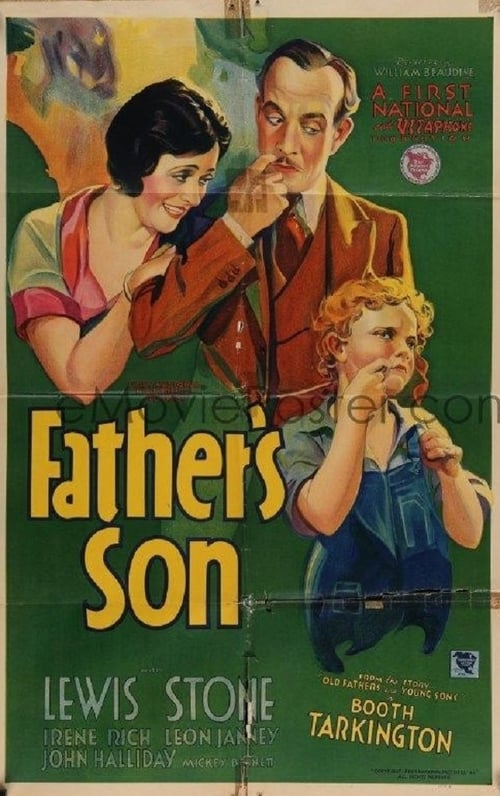
Father's Son
1931
No user ratings available yet
Diversity score: 2.2 out of 10
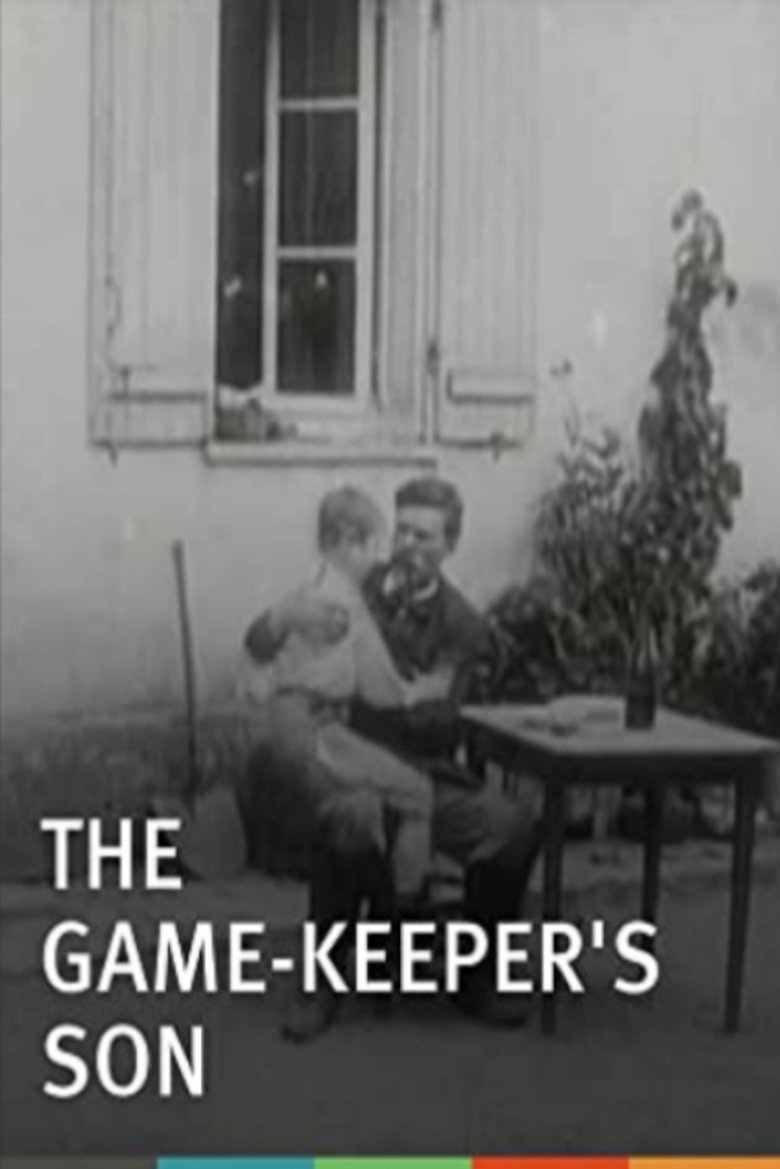
1906
Not RatedDirector
Alice Guy-Blaché
Runtime
5 minutes
Average Rating
No ratings yetSynopsis
The kids of a game-keeper get into a chase with rifles.
Overall Score
Limited
Category Breakdown
LGBTQ+ Representation
The film contains no evidence of LGBTQ+ characters or narratives. The focus remains on a conventional chase involving children.
Gender Representation
The narrative centers on the children of a game-keeper without detailing their specific genders. It lacks subversion of traditional roles or female authority figures.
Racial & Ethnic Diversity
Reflecting early French cinema, the production likely mirrors the homogeneous social structures of 1906. There is no evidence of diverse casting.
Religious & Cultural Diversity
The story depicts traditional rural life through a vignette of childhood mischief. It lacks any significant secularist or anti-capitalist subversion.
Disability Representation
There is no indication of characters with visible or invisible disabilities within the film's narrative.
Strengths
Areas for Improvement
AI Analysis
Alice Guy-Blaché’s direction is a landmark achievement in cinematic history, marking a foundational step for female filmmakers. However, the film's content is a period-specific dramatic vignette rather than a tool for social critique. The narrative focuses on a simple chase involving children, which aligns with the standard storytelling of the early 20th century. It does not attempt to disrupt social hierarchies or present intersectional complexities. Ultimately, the work serves as a historical artifact of narrative development. While the director's pedigree is significant, the film itself adheres to the conventional social and cultural norms of its era.
1931

1911
1912
1916
1919
1924

1930
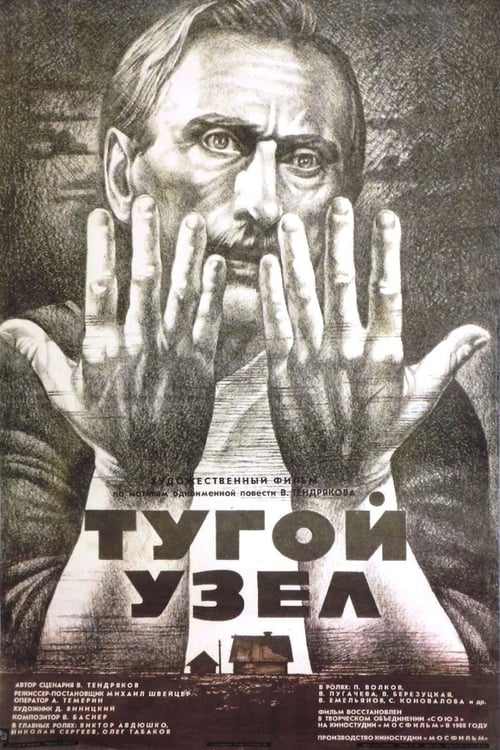
1957
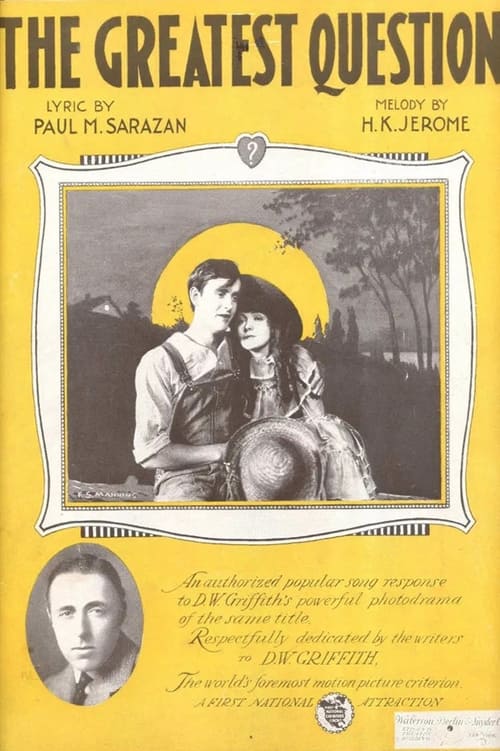
1919
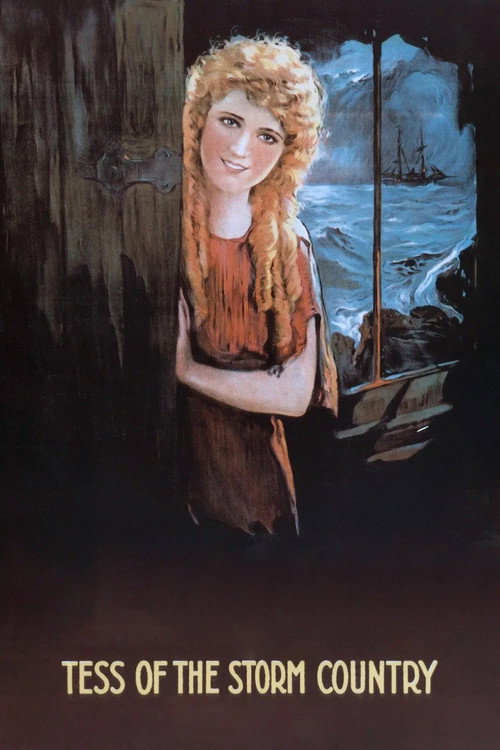
1914
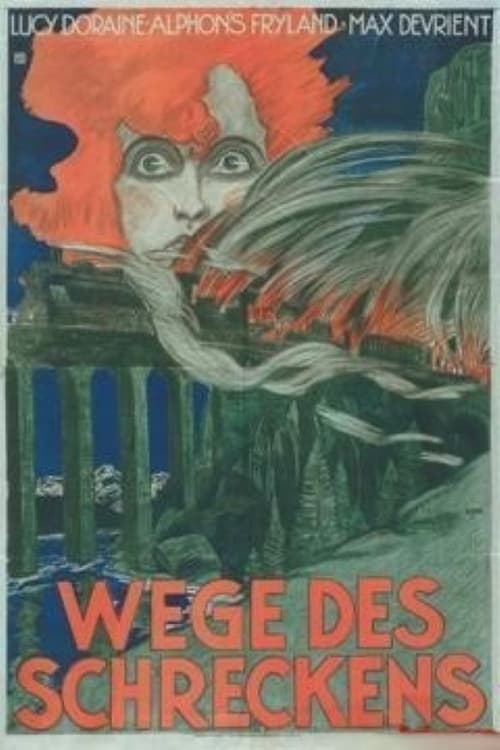
1921
1936
No reviews yet. Be the first to share your thoughts on this movie!
Use the rating form above to leave a star rating and optional review.