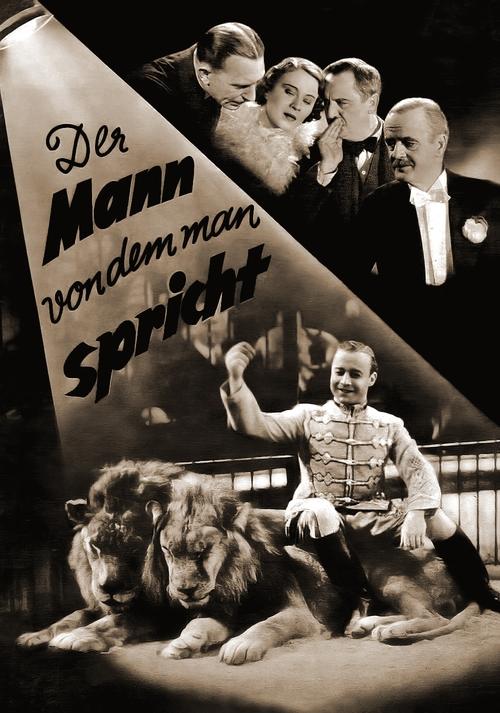
The Man Who is Talked About
1937
No user ratings available yet
Representation score: 1.6 out of 10
Representation Score
Minimal
1937
Director
Wolfgang Liebeneiner
Runtime
104 minutes
Average Rating
No ratings yetNew Showbiz Analysis
The film reflects the highly controlled cinematic landscape of 1930s Germany. The narrative reinforces state-sanctioned social norms rather than challenging traditional hierarchies. While the female lead initially drives the plot through her economic management, the story ultimately centers on male creative spirit. This reinforces a conventional division of labor and authority. Overall, the work presents a homogeneous social framework. It offers minimal disruption to historical hierarchies, focusing instead on established domestic roles and traditional morality.
Category Breakdown
The film does not include any LGBTQ+ characters or representations of non-straight relationships. The story revolves around a traditional marriage and heterosexual romantic conflicts.
Monika takes control by managing finances and driving the plot's momentum. However, the resolution reinforces traditional gender roles and male creative authority.
The narrative appears to be set in a period-specific European context. It suggests a homogeneous setting focused on localized social and economic dynamics without diverse casting.
Themes revolve around traditional social structures like marriage and the sanctity of artistic genius. The film operates within established social hierarchies and conventional morality.
There is no mention of characters with visible or invisible disabilities within the narrative.
Present on Screen
Limited or Absent
Official Synopsis
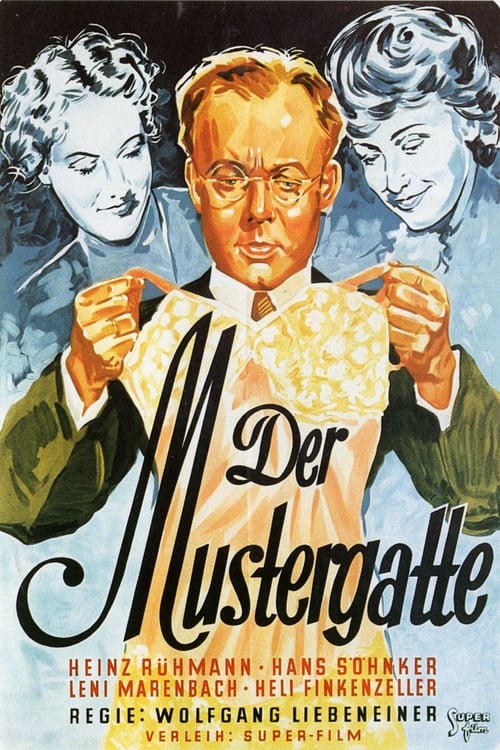
Maler Pratt, an artist, refuses to sell his paintings as he thinks that they still need improvement before being publicly exhibited, but his wife Monika thinks differently and sells them because she thinks they are good...and they need the money. As he only signs an "M" on his work, Monika has no difficulty in claiming she is "M", but problems arrive when she is commissioned to do a large mural and Maler refuses to help her out. However, his creative spirit gets the best of him and he does the mural which is widely acclaimed to be a great work of art. Felder , an art dealer, is not overly pleased with this turn of events as he has been pleading with Monika to divorce her shiftless husband and marry him.
1937
1961
1940
1938
1937

1945

1960
1959
No reviews yet. Be the first to share your thoughts on this movie!
Use the rating form above to leave a star rating and optional review.