
John A.: Birth of a Country
2011
No user ratings available yet
Representation score: 1.3 out of 10
Representation Score
Minimal
1938
ApprovedDirector
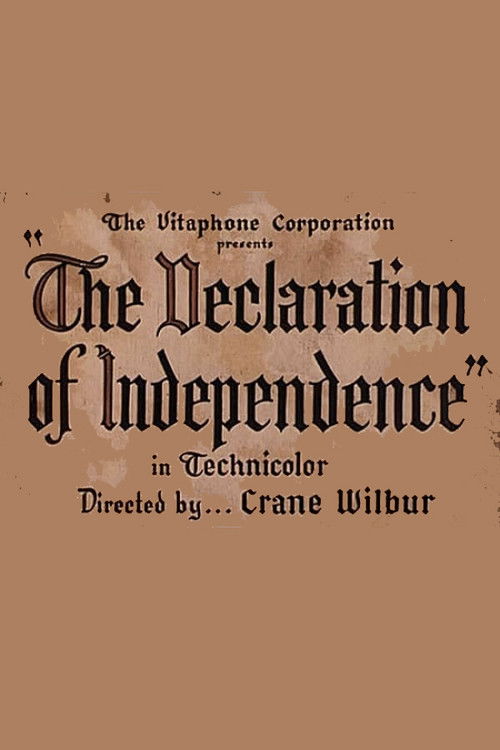
Crane Wilbur
Runtime
17 minutes
Average Rating
No ratings yetNew Showbiz Analysis
The film serves as a traditional historical drama aimed at preserving national myths. It reinforces established social and political hierarchies rather than challenging them. By focusing on the political influence of Caesar Rodney and the Continental Congress, the film maintains a narrow, masculine-dominated perspective. This approach aligns with the era's emphasis on foundational national myths and traditional values. Overall, the production reflects the era's tendency toward homogeneity, lacking diverse representation.
Category Breakdown
The film does not include any LGBTQ+ characters or narratives. It follows the traditional romantic structures typical of its time period.
Leadership and decision-making roles are predominantly held by men. The story emphasizes the political influence of Caesar Rodney and the male-dominated Continental Congress.
The film presents a uniform view of the founding era. It focuses on the Continental Congress, suggesting a cast primarily made up of white, Anglo-Saxon figures.
The story celebrates the establishment of foundational American institutions and patriotism. It portrays the creation of the American state as a stabilizing force for historical continuity.
There is no information available about the portrayal of physical or neurodivergent characters in this production.
Present on Screen
Limited or Absent
Official Synopsis
This historical featurette focuses on Caesar Rodney of Delaware who in the summer of 1776 cast the deciding vote, at the meeting of the Continental Congress in Philadelphia, so that the Declaration of Independence was adopted.
2011

1944
1949

1937
1949

2017
1939

2017
No reviews yet. Be the first to share your thoughts on this movie!
Use the rating form above to leave a star rating and optional review.