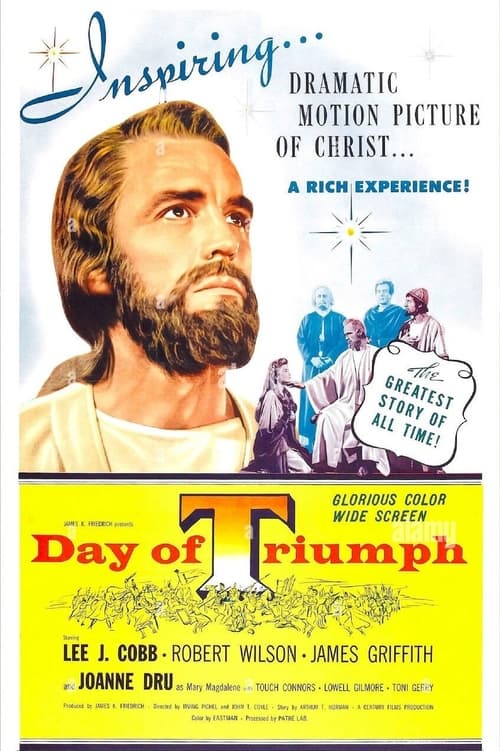
Day of Triumph
1954
No user ratings available yet
Representation score: 2.7 out of 10
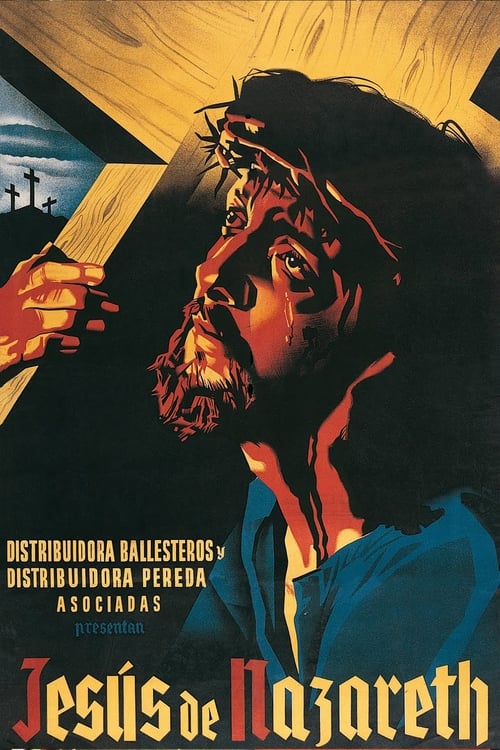
Representation Score
Minimal
1942
Director
José Díaz Morales
Runtime
100 minutes
Average Rating
No ratings yetNew Showbiz Analysis
Jesus of Nazareth is a traditional biographical drama that prioritizes religious orthodoxy over social subversion. The narrative structure is tied to foundational biblical texts, which reinforce established historical and moral hierarchies. Produced in 1942, the film adheres to the cinematic conventions of its era, focusing on patriarchal leadership and conventional archetypes rather than modern, storytelling that reflects multiple aspects of identity. Ultimately, the film serves as a tool for religious storytelling, reinforcing the sanctity of traditional institutions rather than challenging them.
Category Breakdown
The film operates within a strictly religious framework that assumes everyone is straight and cisgender. There are no depictions of LGBTQ+ identities or same-sex relationships.
Narrative leadership is concentrated in male figures, reinforcing patriarchal structures. Women are primarily portrayed in traditional, supportive, or maternal roles.
While the Levantine setting requires ethnic variety, the casting likely reflects 1940s Western cinematic standards. Portrayals of Middle Eastern populations may lack complex layers of identity.
The story centers on traditional Christian morality and divine authority, upholding Western religious traditions rather than offering secular or critical perspectives.
The film provides no specific evidence regarding the portrayal of physical or neurodivergent disabilities.
Present on Screen
Limited or Absent
Official Synopsis
The biblical story of The Messiah from his baptism through his crucifixion.
1954
1979
1966

1965
1952
2003
1975

1961
No reviews yet. Be the first to share your thoughts on this movie!
Use the rating form above to leave a star rating and optional review.