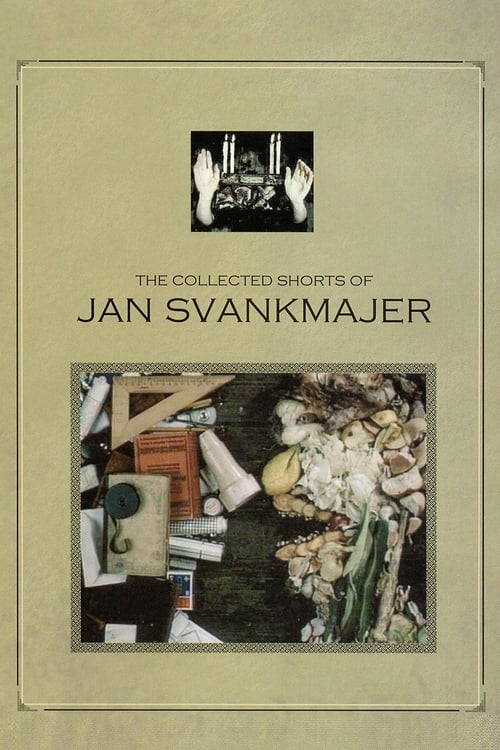
The Collected Shorts of Jan Svankmajer
2003
No user ratings available yet
Diversity score: 5.2 out of 10
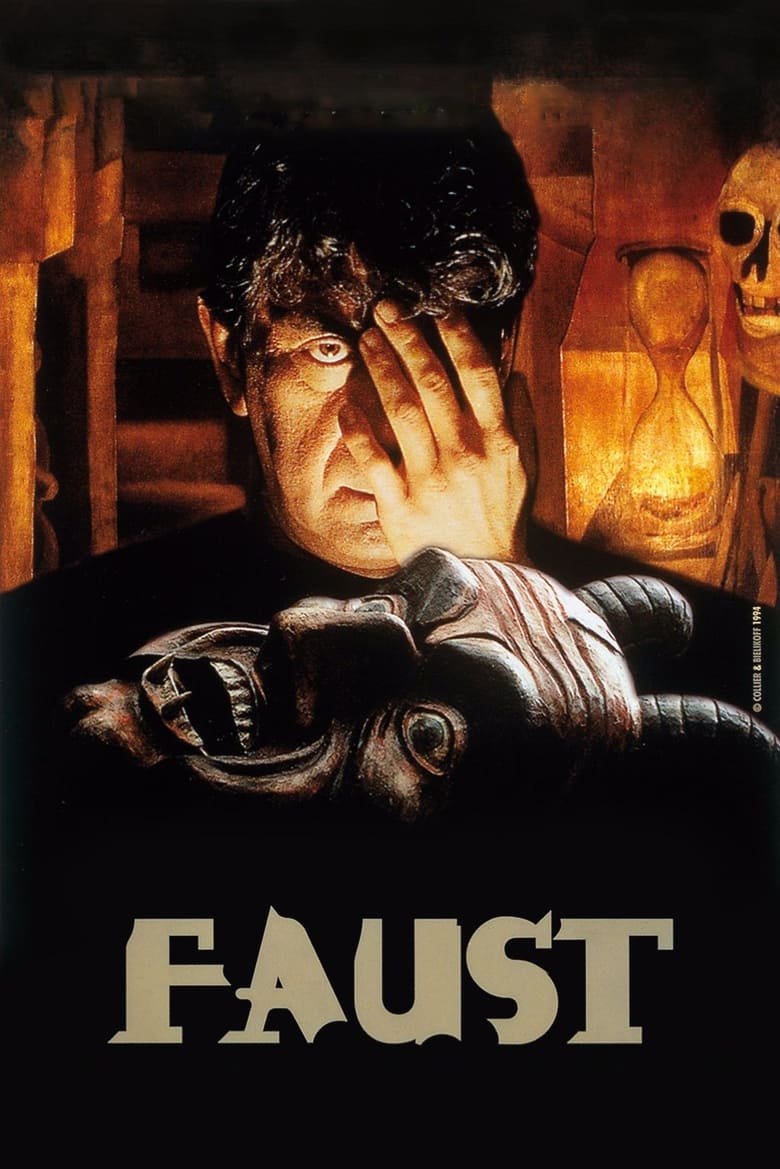
1994
Director
Jan Švankmajer
Runtime
97 minutes
Average Rating
No ratings yetSynopsis
A very free adaptation of Marlowe's "Doctor Faustus", Goethe's "Faust" and various other treatments of the old legend of the man who sold his soul to the devil. A nondescript man is lured by a strange map into a sinister puppet theatre, where he finds himself immersed in an indescribably weird version of the play, blending live actors, clay animation and giant puppets.
Overall Score
Fair
Category Breakdown
LGBTQ+ Representation
The film focuses on archetypal surrealism rather than queer identities. While metamorphic character shifts disrupt biological stability, there are no explicit queer narratives or critiques of heteronormativity.
Gender Representation
Female figures like Helen of Troy appear as symbolic, grotesque objects. The surrealist aesthetic avoids traditional romanticization, yet the film lacks active subversion of gender hierarchies through female agency.
Racial & Ethnic Diversity
The setting adheres to European mythological traditions within a stylized Renaissance aesthetic. There is no evidence of race-bent casting or intentional efforts to diversify the historical period.
Religious & Cultural Diversity
The film excels by rejecting Western grand narratives and moral certainties. It uses physical decay and metamorphosis to critique established social and metaphysical orders through moral relativism.
Disability Representation
Bodily transformation and grotesque claymation present an inherently unstable human form. While lacking specific depictions of disability, the film rejects normative physical perfection.
Strengths
Areas for Improvement
AI Analysis
Jan Švankmajer’s *Faust* is a postmodern deconstruction of myth that prioritizes metaphysical inquiry over social realism. It succeeds in challenging Western institutional stability by using non-linear structures and moral relativism to blur the lines between good and evil. However, the film’s reliance on period-specific, European archetypes limits its demographic breadth. The focus remains on the animism of objects and the instability of the body rather than the representation of specific identity-based agency. Ultimately, the work is a masterclass in disrupting systemic reality, even as it lacks explicit representation for LGBTQ+, racial, or gender-diverse groups.
2003
1988
2010
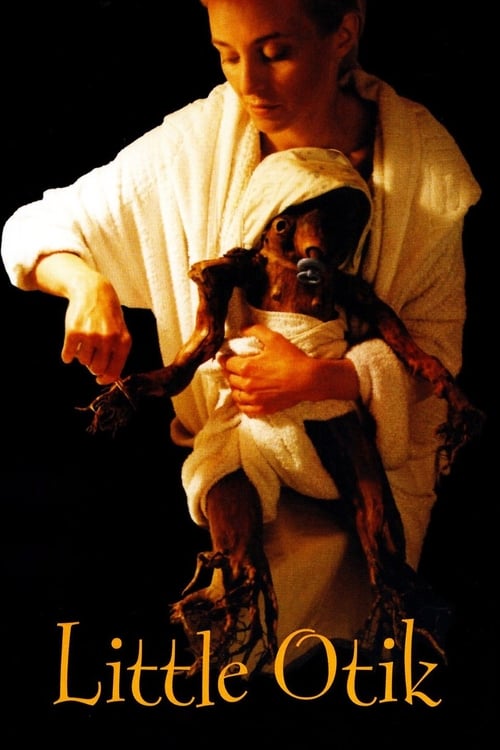
2001
1989

1960

2011
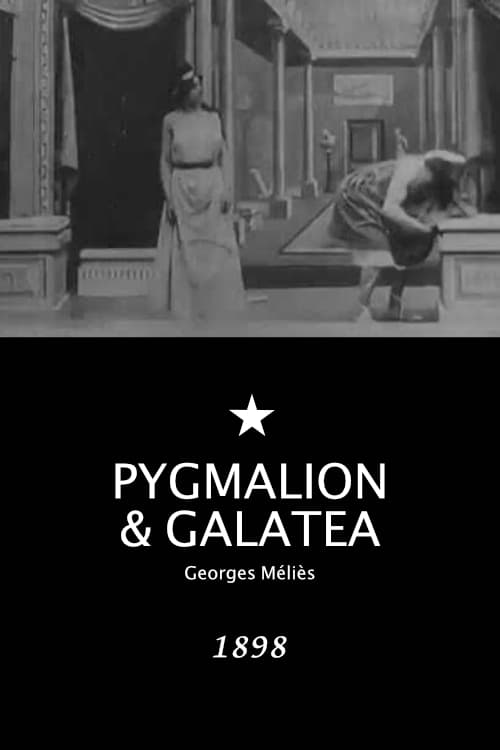
1898
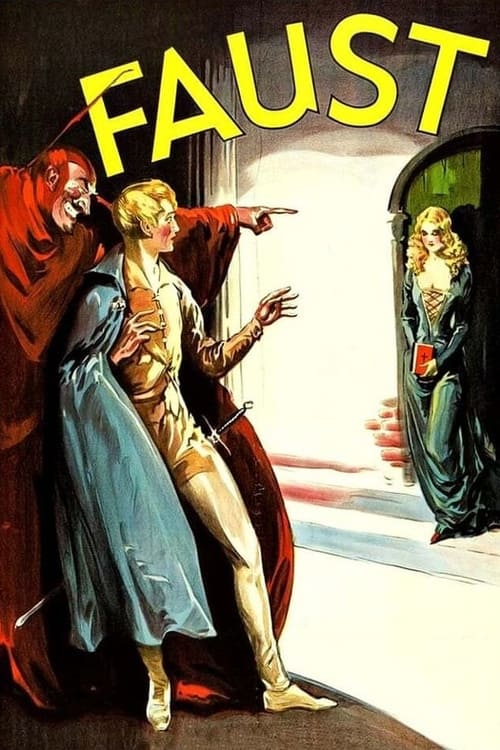
1926
1973
1949
2011
No reviews yet. Be the first to share your thoughts on this movie!
Use the rating form above to leave a star rating and optional review.