
Testament of Orpheus
1960
No user ratings available yet
Representation score: 3.2 out of 10
Representation Score
Minimal
1950
NRDirector
Jean Cocteau
Runtime
95 minutes
Average Rating
No ratings yetNew Showbiz Analysis
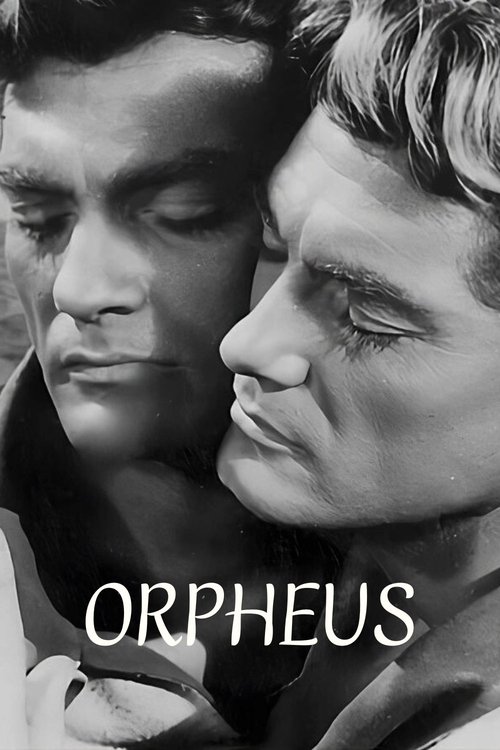
Jean Cocteau’s *Orpheus* is a surrealist exploration of myth and dream logic. It prioritizes metaphysical inquiry and archetypal symbolism over contemporary sociological frameworks or identity-based politics. The film stays rooted in the traditional demographic and social structures of mid-20th-century European cinema. Its impact lies in its disruption of reality rather than its social representation. Ultimately, the work serves as a meditation on the artist's role in the universe, largely avoiding modern multi-layered themes.
Category Breakdown
The film adheres to traditional mythological love stories. It doesn't show non-straight relationships explicitly, focusing instead on the protagonist's connection to Eurydice and a mysterious princess.
Female characters like the Muse and Death have significant metaphysical power. However, they serve as symbols for inspiration rather than agents of modern gender roles.
Set in postwar Paris, the film has a mostly European cast. It doesn’t include diverse ethnic representation or actors from different backgrounds.
The story focuses on poetic mysticism rather than specific social issues. While it challenges materialist norms through dream logic, it doesn't directly critique religion or capitalism.
The film doesn't feature characters with visible or invisible disabilities. The narrative centers on the poet's psychological and spiritual journey.
Present on Screen
Limited or Absent
Official Synopsis
A famous poet in postwar Paris, scorned by the Left Bank youth, is in love with both his wife Eurydice and a mysterious princess. Seeking inspiration, the poet becomes obsessed and follows the princess from the world of the living to the land of the dead.
1960
1946
2006

1948
1942
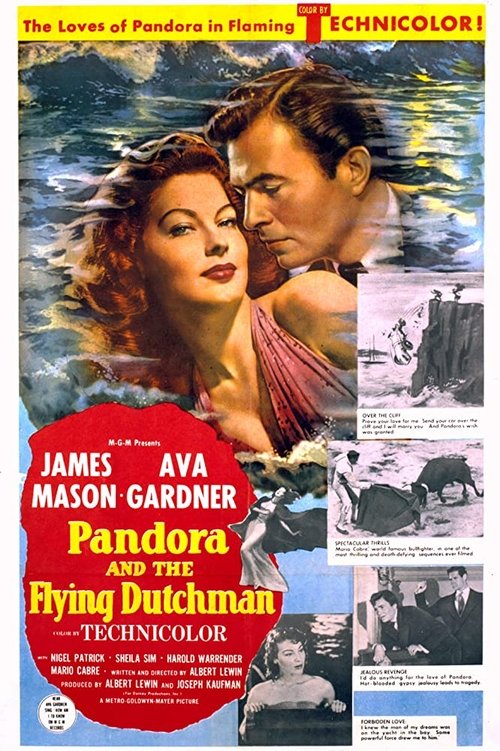
1951

1959

1998
No reviews yet. Be the first to share your thoughts on this movie!
Use the rating form above to leave a star rating and optional review.