Candelaria
1978
No user ratings available yet
Representation score: 4.0 out of 10
Representation Score
Fair
1967
Director
Josep Maria Forn
Runtime
104 minutes
Average Rating
No ratings yetNew Showbiz Analysis
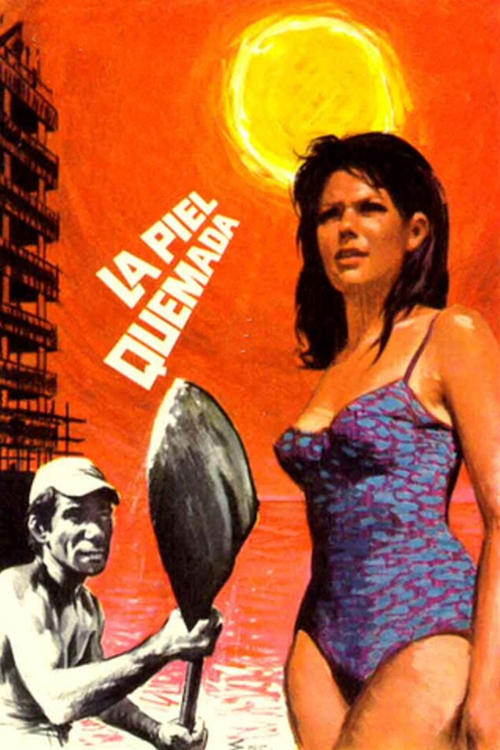
Burnt Skin is a realistic portrayal of social issues, emphasizing class and regional tensions over contemporary identity markers. Its strength lies in its detailed exploration of internal migration and the socioeconomic conflicts between different Spanish regions. While it lacks LGBTQ+ representation and challenges few gender hierarchies, it effectively critiques the social order of the time through the migrant experience. The film’s diversity is rooted in its cultural and regional complexity rather than a wide range of identity representations.
Category Breakdown
The film does not include any explicit LGBTQ+ characters or explore non-straight relationships. It focuses on a traditional family structure typical of the 1960s.
The story revolves around a male protagonist dealing with economic hardships. Although Juana adds emotional depth, the film adheres to traditional gender roles and family dynamics.
The film highlights the experiences of internal migrants. By focusing on an Andalusian person moving to Catalonia, it challenges the idea of a uniform Spanish identity.
The narrative critiques traditional institutions and capitalism. It explores the tension between individuals and the state through the lens of labor exploitation.
There is no documented evidence regarding the portrayal of physical or neurodivergent disabilities in this work.
Present on Screen
Limited or Absent
Official Synopsis
Catalonia, Spain. In a village on the Costa Brava, José, an Andalusian emigrant, works as a bricklayer while waiting for his wife Juana and his two children to join him.
1978
1984
1963
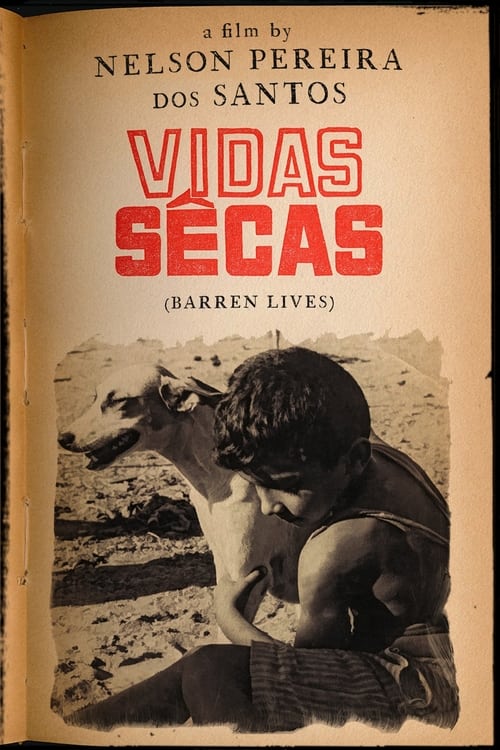
1963
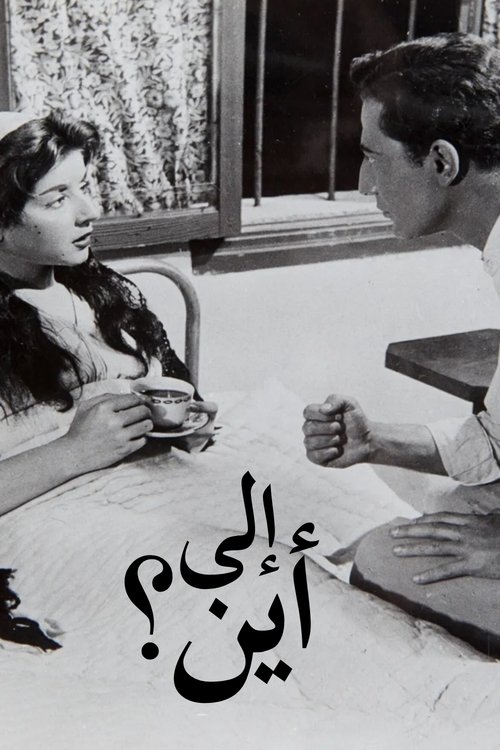
1957
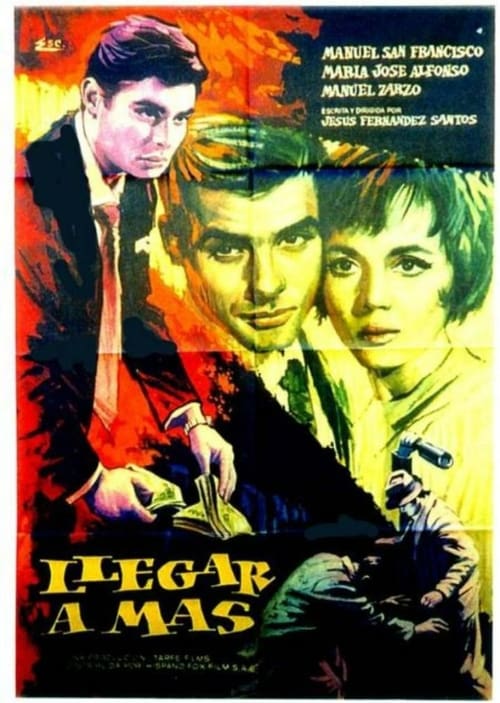
1964
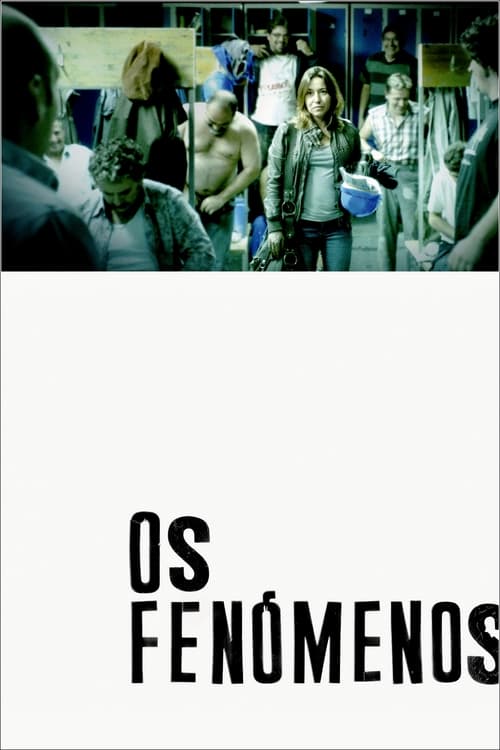
2014
1962
No reviews yet. Be the first to share your thoughts on this movie!
Use the rating form above to leave a star rating and optional review.