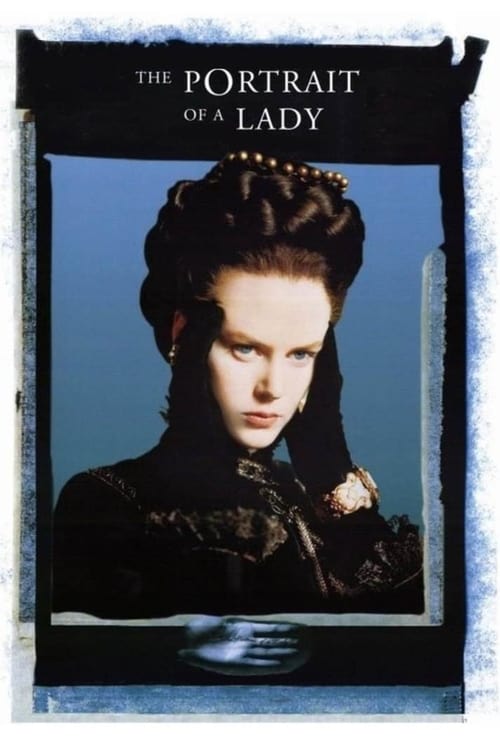
The Portrait of a Lady
1996
No user ratings available yet
Representation score: 5.6 out of 10
Representation Score
Fair
1997
RDirector
Iain Softley
Runtime
102 minutes
Average Rating
No ratings yetNew Showbiz Analysis
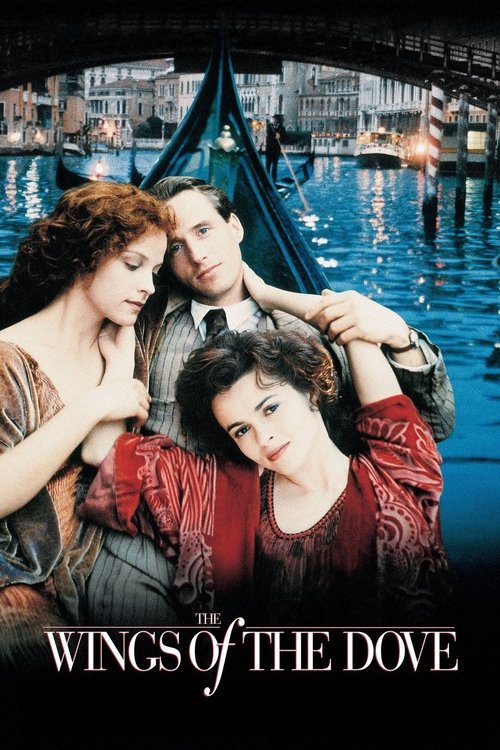
The film offers a complex look at social maneuvering, though its demographic breadth is limited. It finds its progressive edge by challenging traditional moral certainties and exploring how economic necessity drives human behavior. While the story excels at portraying women's ability to drive the story and critiquing class structures, it lacks representation for LGBTQ+ identities and racial diversity. The setting remains focused on the homogeneous social spheres of the early 20th century. Ultimately, the film is a study of power and transaction. It prioritizes psychological realism and the deconstruction of Edwardian mores over a diverse cast of characters.
Category Breakdown
The film operates within a strictly straight-centered framework. There are no depictions of non-traditional gender identities or same-sex relationships.
The narrative disrupts traditional hierarchies by centering women's ability to drive the story through strategic manipulation. Women's decisions regarding wealth and partnerships dictate the trajectory of the male characters.
The cast is largely homogeneous, reflecting the era's social constraints. The film focuses on British and American class distinctions rather than racial or ethnic diversity.
The film critiques Western capitalist structures and the transactional nature of social institutions. It frames marriage as a pragmatic tool for economic survival and social mobility.
Terminal illness serves primarily as a narrative catalyst for economic maneuvers. The condition functions as a device to facilitate romance and capital rather than exploring the impact of disability on characters.
Present on Screen
Limited or Absent
Official Synopsis
Kate is secretly betrothed to a struggling journalist, Merton Densher. But she knows her Aunt Maude will never approve of the match, since Kate's deceased mother has lost all her money in a marriage to a degenerate opium addict. When Kate meets a terminally ill American heiress named Millie traveling through Europe, she comes up with a conniving plan to have both love and wealth.
1996
1958

1998

1945
1995
1939

1986
1995
No reviews yet. Be the first to share your thoughts on this movie!
Use the rating form above to leave a star rating and optional review.