The Lawyer's Secret
1931
No user ratings available yet
Representation score: 1.3 out of 10
Representation Score
Limited
1931
PassedDirector
Erle C. Kenton
Runtime
72 minutes
Average Rating
No ratings yetNew Showbiz Analysis
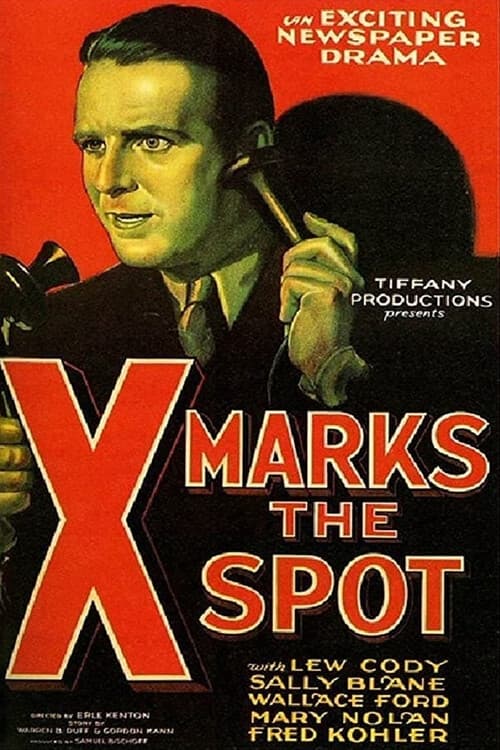
X Marks the Spot is a conventional crime drama that reflects the social constraints of the early 1930s. The narrative structure prioritizes masculine ability to act, with the male reporter navigating moral dilemmas and criminal investigations. Representation is limited by the era's cinematic clichés. Female and disabled characters are used primarily as plot mechanisms to drive the protagonist's desperation rather than as fully realized individuals with independent roles. The film adheres to standard Hollywood norms of the period, focusing on a traditional justice-oriented structure without attempting to challenge established social hierarchies or explore diverse identities.
Category Breakdown
The film follows a traditional crime-drama structure focused on male characters. There are no representations of non-binary or transgender identities, nor critiques of the assumption that everyone is straight.
Men play a central role in driving the plot, particularly through the reporter's investigation. Women, such as the sister, are mainly passive and defined by their vulnerability.
The narrative seems to reflect the homogeneous casting norms of early Hollywood, likely centering on a white, Anglo-Saxon protagonist set in New York.
The story explores moral ambiguity and situational ethics regarding justice. However, it operates within traditional Western legal and social structures without challenging them.
A potential physical disability is used as a high-stakes narrative device to motivate the protagonist. It serves as a plot catalyst rather than a nuanced exploration.
Present on Screen
Limited or Absent
Official Synopsis
The story begins in 1923 where after an accident, a newspaper reporter needs to raise $5,000 to pay for an operation, otherwise his young sister will be crippled for life. The desperate reporter is finally able to get the cash from a shady acquaintance, Riggs. Eight years later in New York, circumstances conspire to place the reporter as the number one suspect in the murder of a showgirl. With no witness or alibi, the reporter devises a plan to smoke out the real culprit. A meeting is arranged under the cover of night and to the surprise of both men, the murderer is Riggs. Out of gratitude for past generosity to his sister, the reporter agrees not to expose Riggs, however unwittingly leads the police to him! Riggs is found guilty, and a dramatic scene in the courthouse ensues.
1931

1930
1935
1931
1930
1931

1932
1926
No reviews yet. Be the first to share your thoughts on this movie!
Use the rating form above to leave a star rating and optional review.