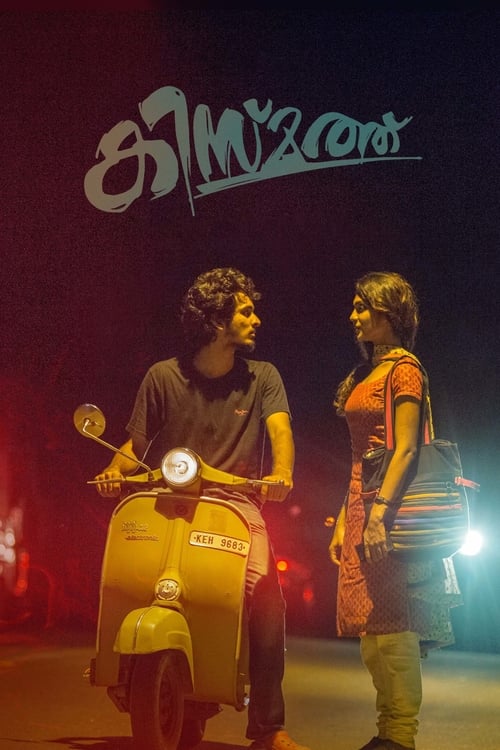
Kismath
2016
No user ratings available yet
Representation score: 4.4 out of 10

Representation Score
Fair
1965
Not RatedDirector
Ramu Kariat
Runtime
140 minutes
Average Rating
No ratings yetNew Showbiz Analysis
Chemmeen is a landmark of social realism that prioritizes the emotional complexity of the individual over communal dogma. It succeeds by centering a female protagonist whose actions become the primary engine of the tragedy, effectively challenging traditional gender hierarchies of its time. The film's strength lies in its nuanced exploration of religious and communal identity. Instead of relying on stereotypes, it examines how the friction between Hindu and Muslim communities affects social mobility and personal relationships. However, the film is limited by the social paradigms of its era. It lacks modern markers of diversity, particularly regarding LGBTQ+ visibility and disability representation, remaining within a traditional romantic framework.
Category Breakdown
The film follows a traditional heterosexual love story that ends tragically. There are no representations of LGBTQ+ individuals or same-sex relationships.
The story focuses on the female experience and the emotional journey of Karuthamma. Her internal struggles drive the plot, challenging the idea of her being a passive character.
The film explores religious and communal identity through the tension between Hindu and Muslim communities. These depictions are rooted in cultural specifics.
The narrative critiques rigid communalism and oppressive social institutions. It frames the central conflict as a tragedy caused by systemic social pressures.
The film does not feature characters with visible or invisible disabilities as central narrative drivers.
Present on Screen
Limited or Absent
Official Synopsis
Karutthamma, the daughter of a Hindu fisherman, falls in love with a Muslim fish trader. However, social prejudices seem to ruin their love life and invite the wrath of their communities.
2016
1974
2010
1989

2018

1991

2011
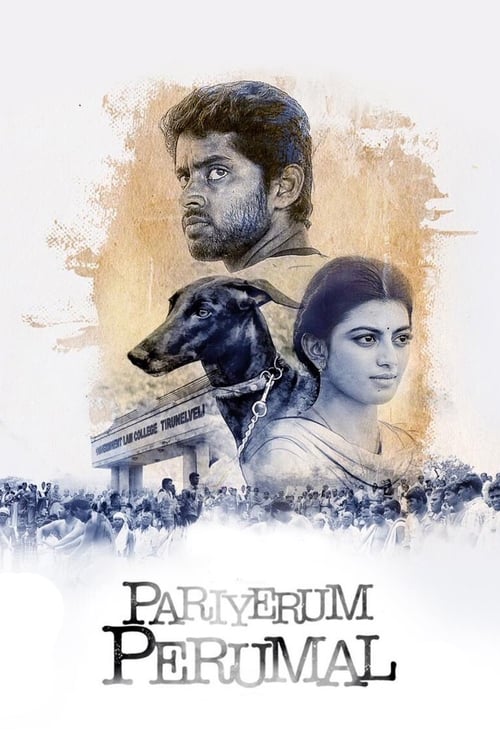
2018
No reviews yet. Be the first to share your thoughts on this movie!
Use the rating form above to leave a star rating and optional review.