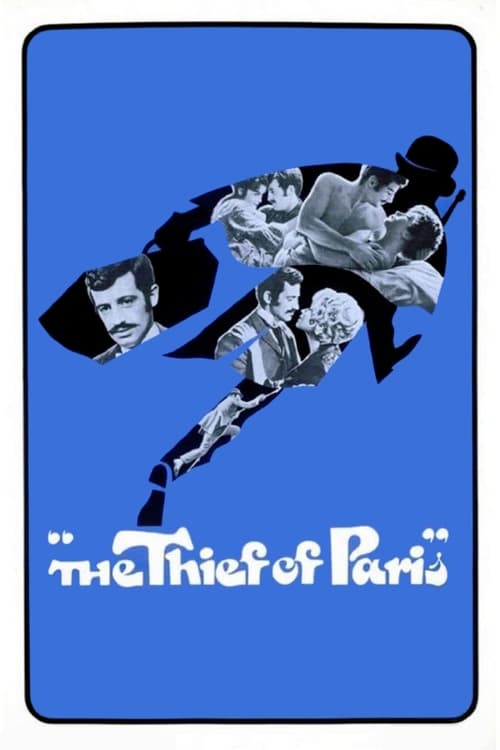
The Thief of Paris
1967
No user ratings available yet
Representation score: 3.0 out of 10
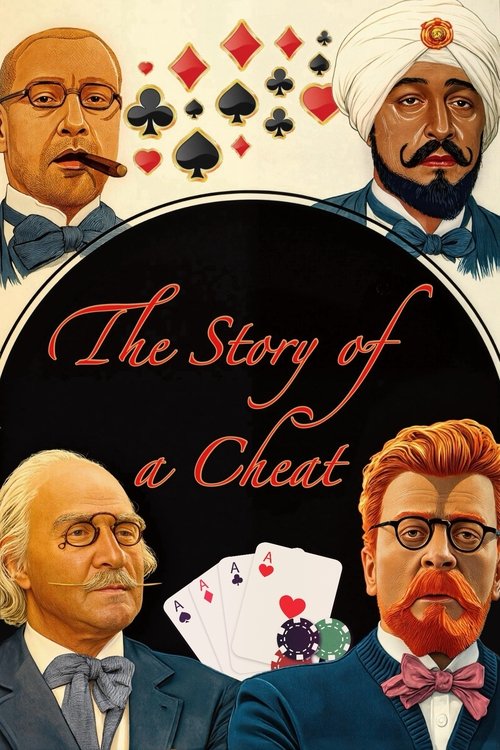
Representation Score
Limited
1936
Director
Sacha Guitry
Runtime
81 minutes
Average Rating
No ratings yetNew Showbiz Analysis
The film is a character study of a charming rogue that prioritizes individualistic wit over traditional moral structures. While it lacks modern standards of racial and LGBTQ+ inclusion, it offers a sophisticated deconstruction of social authority through its protagonist's lifestyle. The narrative's strength lies in its thematic subversion of morality, framing dishonesty as an amusing, personal adventure. However, the film remains anchored in the social norms of its time, featuring a homogeneous cast and a central heterosexual romantic structure. The female characters, while active, are still largely defined by their relationship to the male lead.
Category Breakdown
The film focuses on a male protagonist and his romantic relationships with two women. There is no indication of queer identities or non-straight relationships within the narrative.
While the story centers on a male lead, the female characters play significant roles in driving the plot. They are portrayed as independent and active, rather than submissive.
The film appears to feature a homogeneous cast within a traditional European setting. There is no evidence of racial blending or diverse ethnic representation in the character descriptions.
The narrative embraces moral relativism by celebrating a 'charming scoundrel.' It prioritizes individual wit and subjective experience over traditional religious ethics or rigid social hierarchies.
A family tragedy involving poisoning is mentioned, but it does not appear to explore disability or neurodivergence.
Present on Screen
Limited or Absent
Official Synopsis
Life story of a charming scoundrel, with little dialogue other than the star/director's witty narration. As a boy, only he survives a family tragedy when he's deprived of supper (poisonous mushrooms!) for stealing...concluding that dishonesty pays. Through years of dabbling in crime and amusing adventures, two women appear and reappear in his life, a dazzling blonde jewel thief and a stunning brunette gambler. Finally, he meets the mysterious Charbonnier who had saved his life in World War I, leading to the surprising next phase in his career...
1967
1932
1932
1931
1934
1947

1933

1929
No reviews yet. Be the first to share your thoughts on this movie!
Use the rating form above to leave a star rating and optional review.