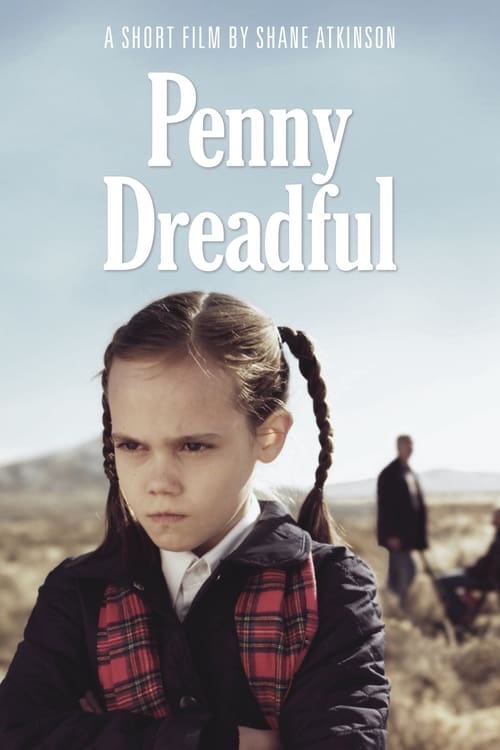
Penny Dreadful
2013
No user ratings available yet
Diversity score: 3.1 out of 10
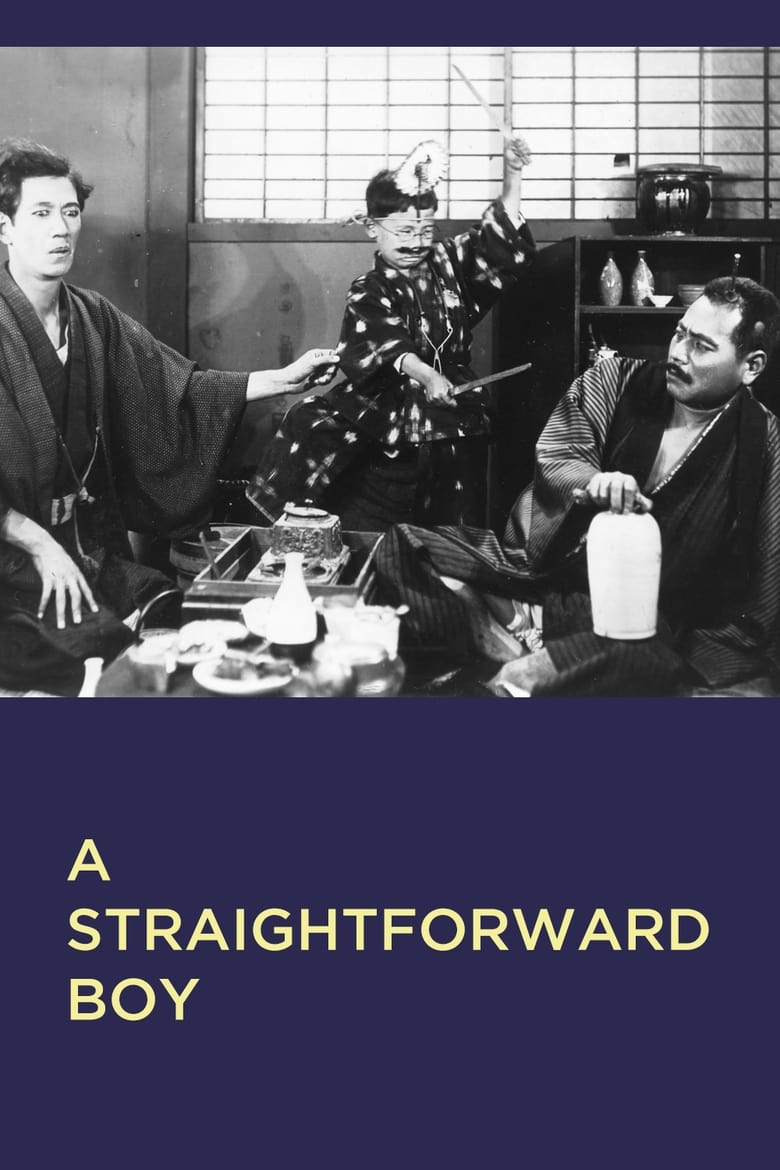
1929
Director
Yasujirō Ozu
Runtime
14 minutes
Average Rating
No ratings yetSynopsis
A kidnapped boy proves to be more than his abductor can handle.
Overall Score
Limited
Category Breakdown
LGBTQ+ Representation
The film contains no documented evidence of queer narratives or non-heteronormative identities. It appears to lack any representation of LGBTQ+ characters.
Gender Representation
The narrative focuses on a male-centric crime plot involving a boy and his abductor. There is no evidence of female protagonists or the subversion of gender hierarchies.
Racial & Ethnic Diversity
As a Japanese production, the film offers a non-Western perspective. It provides a cultural counter-narrative to Western cinematic hegemony, though it lacks modern multicultural blending.
Religious & Cultural Diversity
The story centers on a child's agency against criminal authority. While the comedic framing suggests moral relativism, specific cultural or anti-institutional sentiments remain unconfirmed.
Disability Representation
There is no evidence of characters with visible or invisible disabilities. The provided context does not include any representation of disability.
Strengths
Areas for Improvement
AI Analysis
A Straightforward Boy is a period-specific genre exercise that prioritizes kinetic crime and comedy over identity politics. The narrative architecture focuses on a child disrupting a criminal hierarchy, which subverts traditional power dynamics between youth and adult authority. While the film lacks explicit intersectional complexity, its value lies in its position within the Japanese cinematic canon. It serves as a necessary non-Western perspective in film history, even if it adheres to early-century genre conventions. Ultimately, the film's diversity is limited by its focus on a specific, male-dominated plot, offering little evidence of progressive identity markers or diverse character arcs.
2013
1968
1942

2016

1937

1947
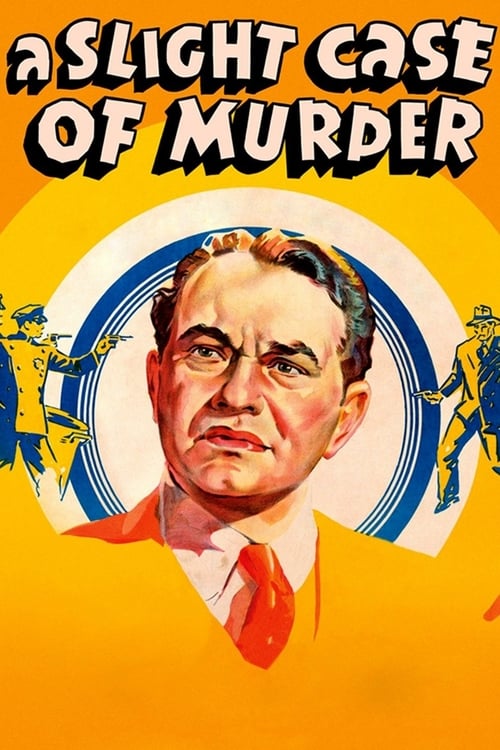
1938
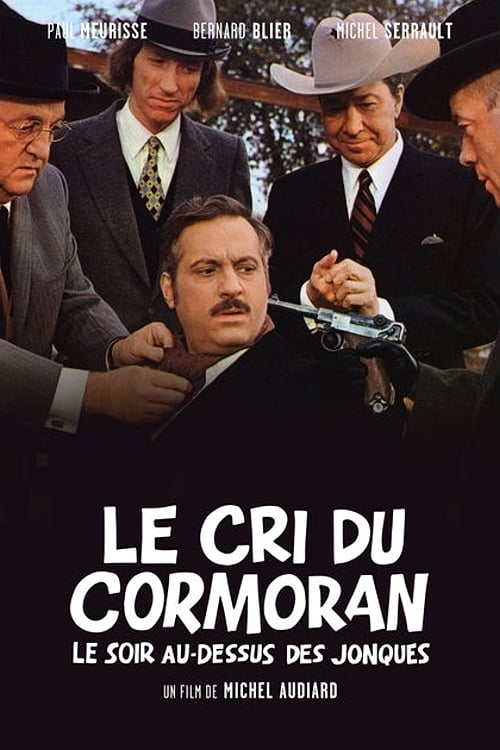
1971

1962

1951

1933
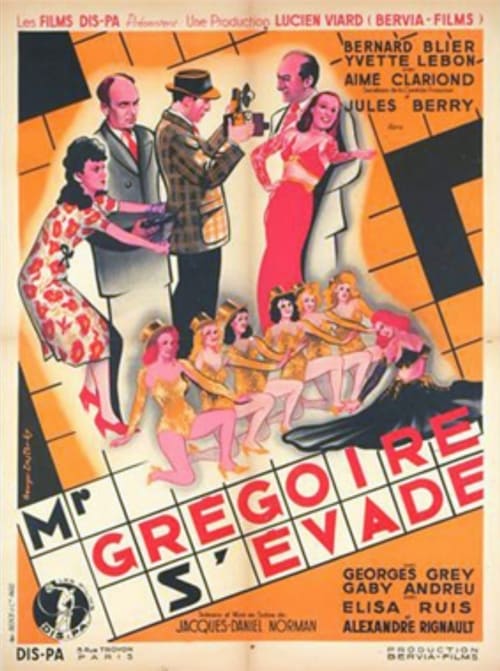
1946
No reviews yet. Be the first to share your thoughts on this movie!
Use the rating form above to leave a star rating and optional review.