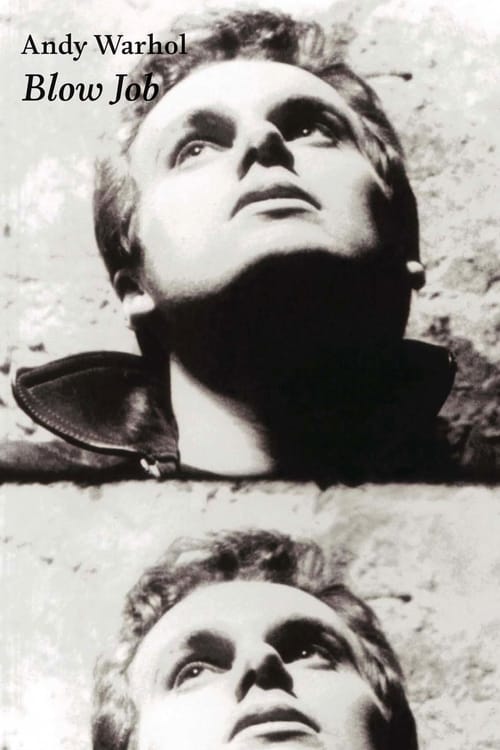
Blow Job
1964
No user ratings available yet
Representation score: 3.4 out of 10
Representation Score
Fair
1963
Director
Andy Warhol
Runtime
58 minutes
Average Rating
No ratings yetNew Showbiz Analysis
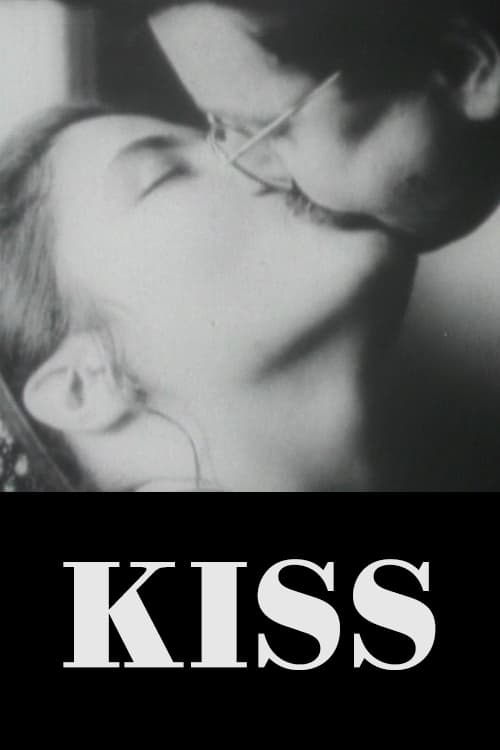
Andy Warhol’s *Kiss* disrupts the social and cinematic norms of 1963 by focusing on the raw duration of human connection rather than traditional storytelling. Its most significant impact lies in its direct depiction of queer intimacy, providing a vital precursor to more complex narratives by challenging the assumption that everyone is straight or cisgender. However, the work is limited by a lack of racial diversity and complex gender roles, remaining a formalist experiment that does not address a wide spectrum of identities.
Category Breakdown
The film centers same-sex intimacy and offers a direct, unmediated portrayal of homoeroticism, avoiding the coded language typical of earlier films.
The film's minimalist structure limits its exploration of gender roles, focusing instead on male intimacy without actively challenging traditional hierarchies.
The cast is composed of a homogeneous group of white actors, lacking significant racial or ethnic diversity.
The film promotes secularism and moral relativism by focusing on physical acts without moralizing, rejecting traditional Western institutions like the nuclear family or religious morality.
The film does not feature characters with visible or invisible disabilities, nor does it utilize disability as a narrative device.
Present on Screen
Limited or Absent
Official Synopsis
An hour-long paean to the art of the kiss featuring fourteen couples, from passionate participants to lethargic lovers, engaging in the intimate act.
1964
1970
1964

1965

2013
1971

1992

1964
No reviews yet. Be the first to share your thoughts on this movie!
Use the rating form above to leave a star rating and optional review.