
Someone's Watching Me!
1978
No user ratings available yet
Representation score: 3.0 out of 10
Representation Score
Good
1976
RDirector
Roman Polanski
Runtime
126 minutes
Average Rating
No ratings yetNew Showbiz Analysis
Roman Polanski’s thriller deconstructs the stability of the individual. By focusing on a man's psychological journey into a female identity, the film critiques gendered social roles and the fragility of personal identity. However, the film lacks racial and ethnic diversity, presenting a homogeneous Parisian setting. It focuses narrowly on a singular psychological experience, limiting characters who reflect more than one aspect of diversity. Ultimately, the work is a study of identity dissolution. It delves into mental health and the oppressive nature of conventional social institutions, offering a harrowing yet insightful critique.
Category Breakdown
The film examines gender fluidity through a psychological perspective. The protagonist's adoption of a deceased female tenant's identity challenges traditional gender norms, but presents this as a result of a crisis.
The film disrupts traditional gender hierarchies as the male protagonist assumes a female persona. This subverts the typical male lead cliché by examining the male experience through the lens of female trauma.
Set in a Parisian urban context, the film features a predominantly white, European cast. It lacks racial or ethnic diversity, focusing instead on a homogeneous social environment.
The story rejects objective morality for a fragmented, subjective reality. It critiques traditional social structures, depicting the neighborhood and home as oppressive forces.
The film portrays severe mental health conditions and psychosis in a disturbing manner. It avoids inspirational clichés, focusing instead on the terrifying loss of control and psychological fragmentation.
Present on Screen
Limited or Absent
Official Synopsis
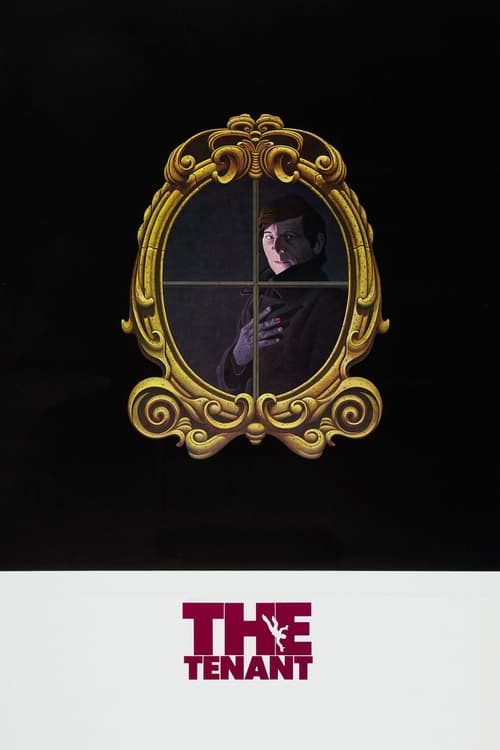
A quiet and inconspicuous man rents an apartment in Paris where he finds himself drawn into a rabbit hole of dangerous paranoia.
1978

1971

1965

1977

1999

1961
1968
1944
No reviews yet. Be the first to share your thoughts on this movie!
Use the rating form above to leave a star rating and optional review.