
Vertigo
1958
No user ratings available yet
Representation score: 2.1 out of 10
Representation Score
Limited
1976
PGDirector
Brian De Palma
Runtime
99 minutes
Average Rating
No ratings yetNew Showbiz Analysis
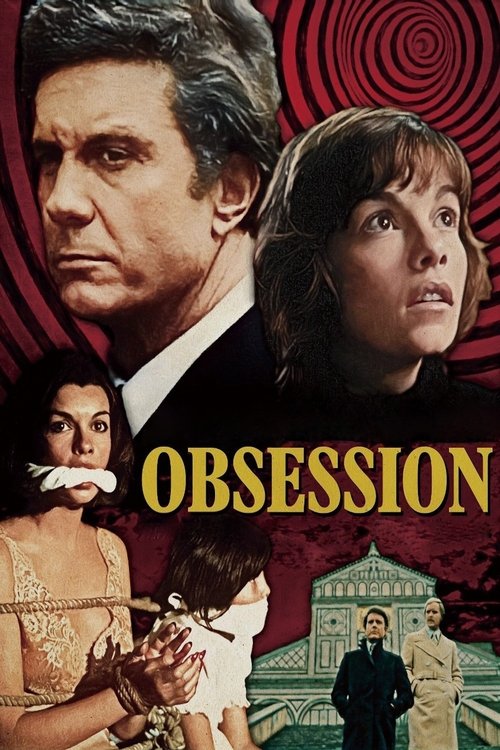
Obsession is a psychological thriller that emphasizes stylistic homage and individual obsession over diverse representation. The narrative stays focused on a traditional, homogeneous demographic, offering limited engagement with progressive social frameworks. While the film offers some complexity through female psychological ability to act, it remains tied to era-specific clichés. The absence of racial, cultural, or LGBTQ+ diversity confines the story to a narrow social lens. Ultimately, the film serves as an exploration of grief and voyeurism rather than a deconstruction of social hierarchies or systemic structures.
Category Breakdown
The film does not include any LGBTQ+ characters or stories that challenge traditional heterosexual relationships. The main conflicts revolve around conventional romance and reproduction.
Female characters play key roles in creating psychological tension through their desires and actions. However, they often fit into traditional femme fatale and objectified roles.
The cast and setting are mostly white and upper-middle-class. The story does not engage with racial or ethnic diversity, focusing instead on a homogeneous social group.
The story focuses on personal psychological issues rather than critiquing societal or religious structures. It does not challenge Western institutions or religious beliefs.
The film uses themes of mental instability and trauma primarily as plot devices to increase suspense. Psychological disorders are used to create tension rather than exploring their impact.
Present on Screen
Limited or Absent
Official Synopsis
A wealthy New Orleans businessman becomes obsessed with a young woman who resembles his late wife.
1958

1980

1973

1971

1980

1971

2001

1959
No reviews yet. Be the first to share your thoughts on this movie!
Use the rating form above to leave a star rating and optional review.