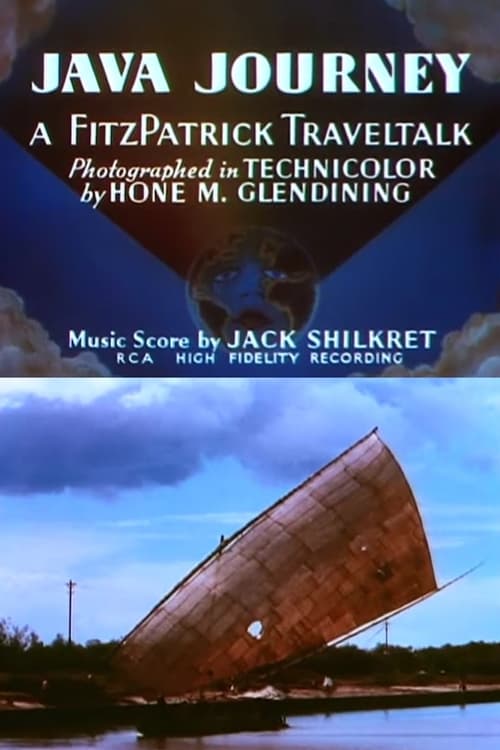
Java Journey
1939
No user ratings available yet
Representation score: 0.6 out of 10
Representation Score
Minimal
1937
ApprovedRuntime
9 minutes
Average Rating
No ratings yetNew Showbiz Analysis
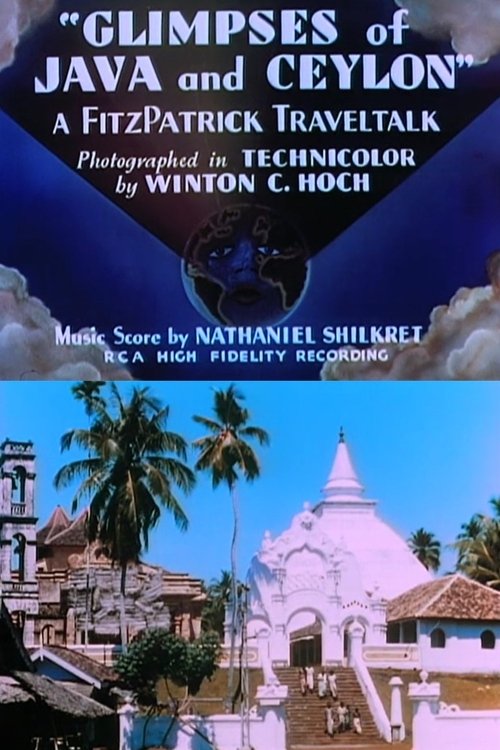
The film serves as a visual record of Java and Ceylon in 1937, providing significant footage of non-Western populations. However, the perspective is fundamentally shaped by colonial hierarchies. The work functions as an ethnographic catalog rather than a character-driven narrative, resulting in a lack of ability to act for the subjects, whether regarding gender, disability, or queer identities. The lens remains observational and clinical. Ultimately, the film reinforces the status quo of its time. It documents diverse ethnic groups but does so through a framework that prioritizes the Western gaze and colonial stability over the empowerment of the local populations.
Category Breakdown
The film does not include any LGBTQ+ characters or stories. It focuses on traditional societal structures and geographic documentation from the era.
Women are shown mostly in domestic or communal roles without much influence over the plot. The film highlights early 20th-century gender hierarchies through observational footage.
While the film includes Javanese and Ceylonese peoples, the subjects are viewed through a colonial lens. The power dynamics remain uneven, reflecting the Dutch East Indies administration.
The work presents the region through a Western perspective, emphasizing the stability of colonial institutions. It does not critique Western or capitalist structures.
There is no indication of subjects with disabilities being portrayed with ability to act. Their presence would likely be treated as a clinical observation.
Present on Screen
Limited or Absent
Official Synopsis
A visit to the island of Java when it was part of the Dutch East Indies, and Sri Lanka when it was still called Ceylon.
1939

1935

1931
1940
1952
1937

1937
1939
No reviews yet. Be the first to share your thoughts on this movie!
Use the rating form above to leave a star rating and optional review.