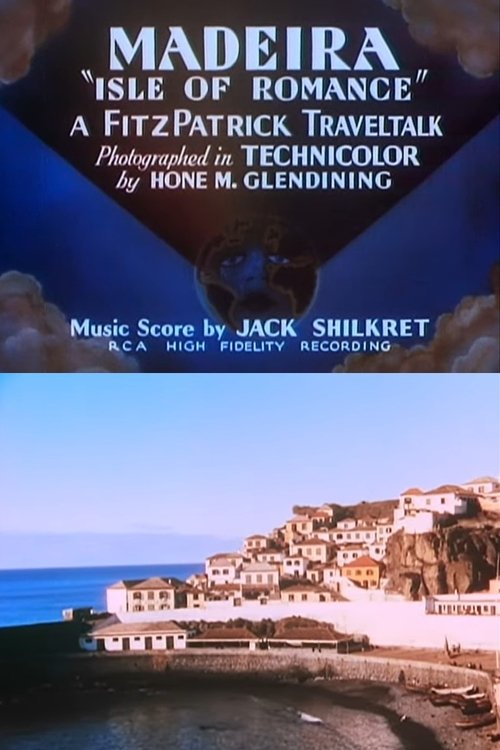
Madeira: 'Isle of Romance'
1938
No user ratings available yet
Representation score: 0.6 out of 10
Representation Score
Minimal
1935
ApprovedRuntime
8 minutes
Average Rating
No ratings yetNew Showbiz Analysis
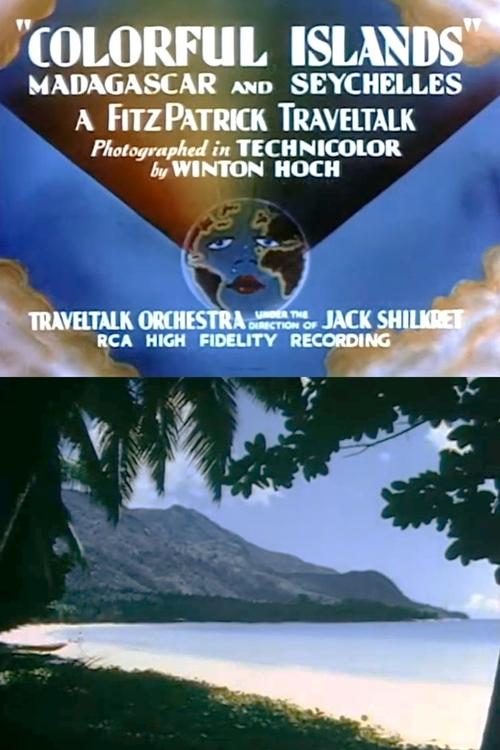
This 1935 Technicolor travelogue primarily serves as a visual showcase of the Indian Ocean region. Its low diversity score reflects the historical constraints of the documentary genre, which emphasized landscapes over social dynamics. The film focuses on ethnographic observation rather than storytelling that reflects multiple aspects of identity. While it captures diverse geographic locations, the perspective often reinforces colonial-era hierarchies and Western-centric views of the 'exotic'. Ultimately, the work functions as a historical artifact. It documents the natural beauty of Madagascar and the Seychelles without offering nuanced representations of human identity or ability to act.
Category Breakdown
The film does not include any LGBTQ+ characters or narratives. Given its 1935 setting, the focus is on geographical and natural elements rather than personal identity.
The documentary likely upholds traditional gender roles of the time. It centers on male figures as explorers or observers, lacking diverse gender perspectives.
While the film showcases non-Western populations, it likely adopts a colonial viewpoint. Local inhabitants are presented as subjects of study rather than active participants.
The work may exoticize non-Western locales for Western audiences. It reflects the cultural attitudes of its time, emphasizing the 'otherness' of these places.
There is no depiction of characters with visible or invisible disabilities. The film’s scope is limited to documenting geography and nature.
Present on Screen
Limited or Absent
Official Synopsis
A Technicolor travelogue of the islands in the Indian Ocean east of Africa.
1938
1939
1952
1932
1952
1950
1941
1940
No reviews yet. Be the first to share your thoughts on this movie!
Use the rating form above to leave a star rating and optional review.