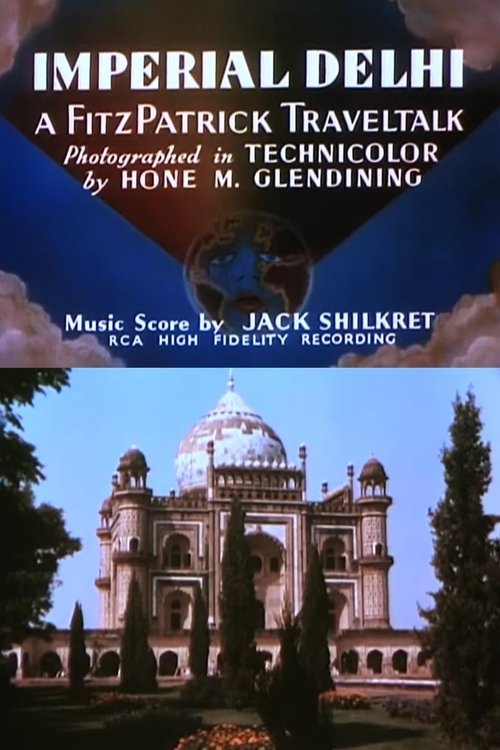
Imperial Delhi
1939
No user ratings available yet
Representation score: 2.1 out of 10
Representation Score
Minimal
1931
ApprovedDirector
James A. FitzPatrick
Runtime
9 minutes
Average Rating
No ratings yetNew Showbiz Analysis
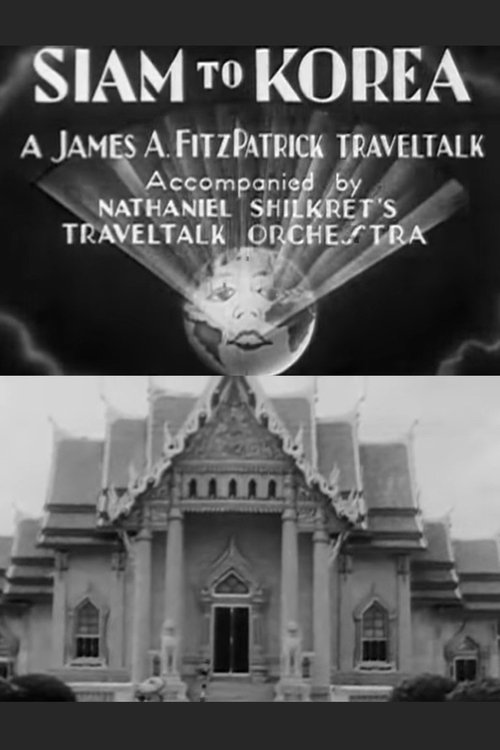
Siam to Korea serves as a historical ethnographic record, providing a window into early 20th-century Southeast Asian and Korean life. Its primary value lies in its ethnic visibility, centering non-Western populations during an era when much media was Anglo-centric. However, the film lacks the narrative depth needed for complex representation. As a non-narrative travelogue, it lacks character-driven stories, dialogue, or subversion of social norms. It functions as a visual observation of tradition rather than a tool for progressive storytelling. Ultimately, the work provides meaningful cultural documentation but remains limited by its era's observational lens and the absence of diverse character development.
Category Breakdown
The film does not include any LGBTQ+ characters or non-cisgender identities. Its focus on traditional customs and cultural landscapes excludes any depiction of queer identities.
The documentary likely portrays traditional gender roles prevalent in early 20th-century Siam and Korea. It adheres to the era's social structures without challenging established hierarchies.
The film offers significant visibility to Thai and Korean populations. While subjects are observed rather than driving the plot, the work breaks the Western-centric focus common in 1930s media.
Buddhism is presented as a central cultural pillar, offering a non-Western spiritual framework. However, the film likely views these traditions through a potentially exoticizing Western perspective.
There is no evidence of individuals with visible or invisible disabilities being portrayed within the cultural fabric of the film.
Present on Screen
Limited or Absent
Official Synopsis
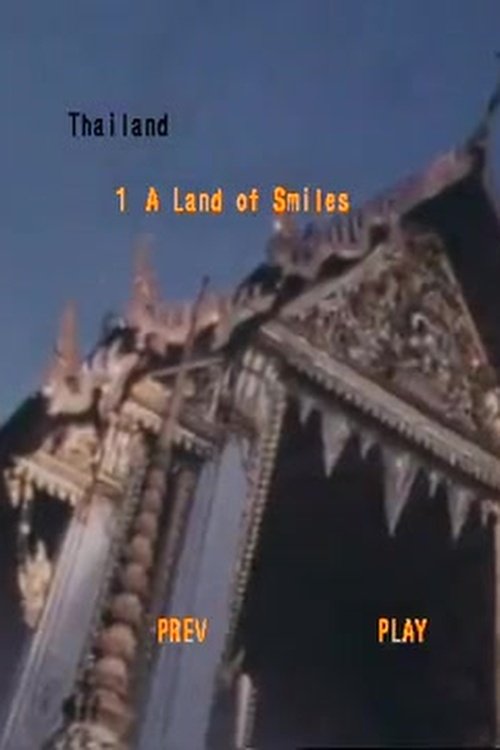
This Traveltalk entry first visits Bangkok, the capital of Thailand, when the country's name was still Siam. Then it's off to Seoul, South Korea. When the visit was made in the early 1930s, Korea was not yet divided and was a province administered by Japan. The film emphasized the deep influence of Buddhism on the daily life of the peoples in both countries.
1939
1937
1937
1954
1940

1942
1936
1973
No reviews yet. Be the first to share your thoughts on this movie!
Use the rating form above to leave a star rating and optional review.