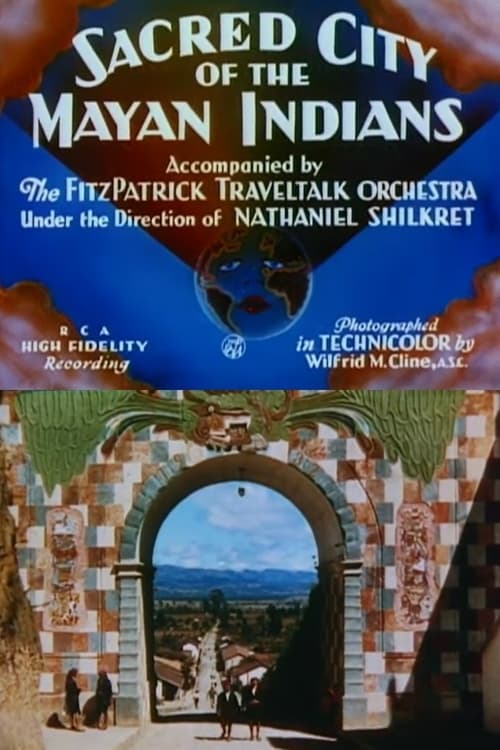
Sacred City of the Mayan Indians
1936
No user ratings available yet
Representation score: 2.4 out of 10
Representation Score
Minimal
1937
ApprovedRuntime
9 minutes
Average Rating
No ratings yetNew Showbiz Analysis
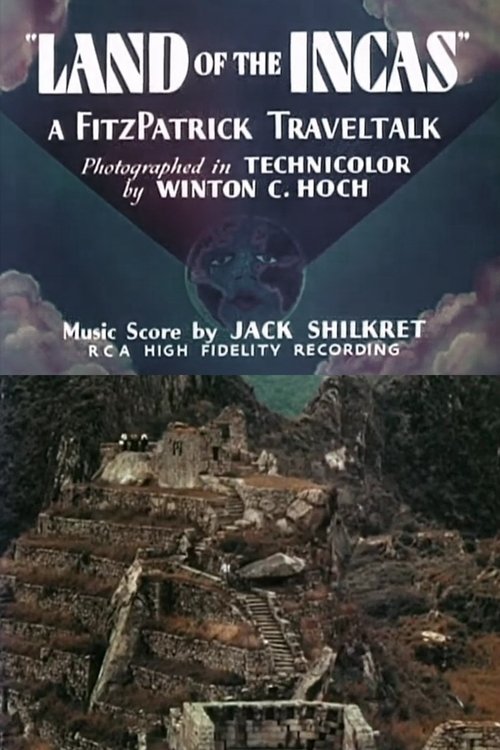
As a 1937 travelogue, *Land of the Incas* functions as an ethnographic window into the Inca Empire rather than a character-driven narrative. Its diversity is defined by its subject matter rather than intentional representation. The film succeeds in bringing non-Western historical sites to a domestic audience, providing a platform for indigenous history. However, the observational style of the era often treats these cultures as spectacles for Western consumption. Ultimately, the lack of character's ability to drive the story and the absence of storytelling that reflects multiple aspects of identity reflect the limitations of the 1930s documentary format. It serves as a historical artifact of its time rather than a modern exploration of culture.
Category Breakdown
The film lacks narrative characters or interpersonal relationships, so there is no depiction of LGBTQ+ identities or non-straight relationships.
Representation is limited to incidental footage of local populations. Female subjects play minor roles within the traditional social structures of the 1930s.
The film provides visual access to the indigenous heritage of Peru. While it showcases non-Western history, the framing often adopts an outsider’s exoticizing lens.
The documentary presents non-Western sites as historical curiosities. It prioritizes the spectacle of the location over a deep exploration of indigenous history or colonial impacts.
There is no evidence of individuals with visible or invisible disabilities being featured as central or meaningful subjects.
Present on Screen
Limited or Absent
Official Synopsis
This Traveltalks series entry visits three sites important to the Inca Empire in Peru.
1936
1972
1945
1953
1938
1940
1950

1943
No reviews yet. Be the first to share your thoughts on this movie!
Use the rating form above to leave a star rating and optional review.