
Calypso Heat Wave
1957
No user ratings available yet
Diversity score: 2.7 out of 10
1956
Director
Fred F. Sears
Runtime
84 minutes
Average Rating
No ratings yetSynopsis
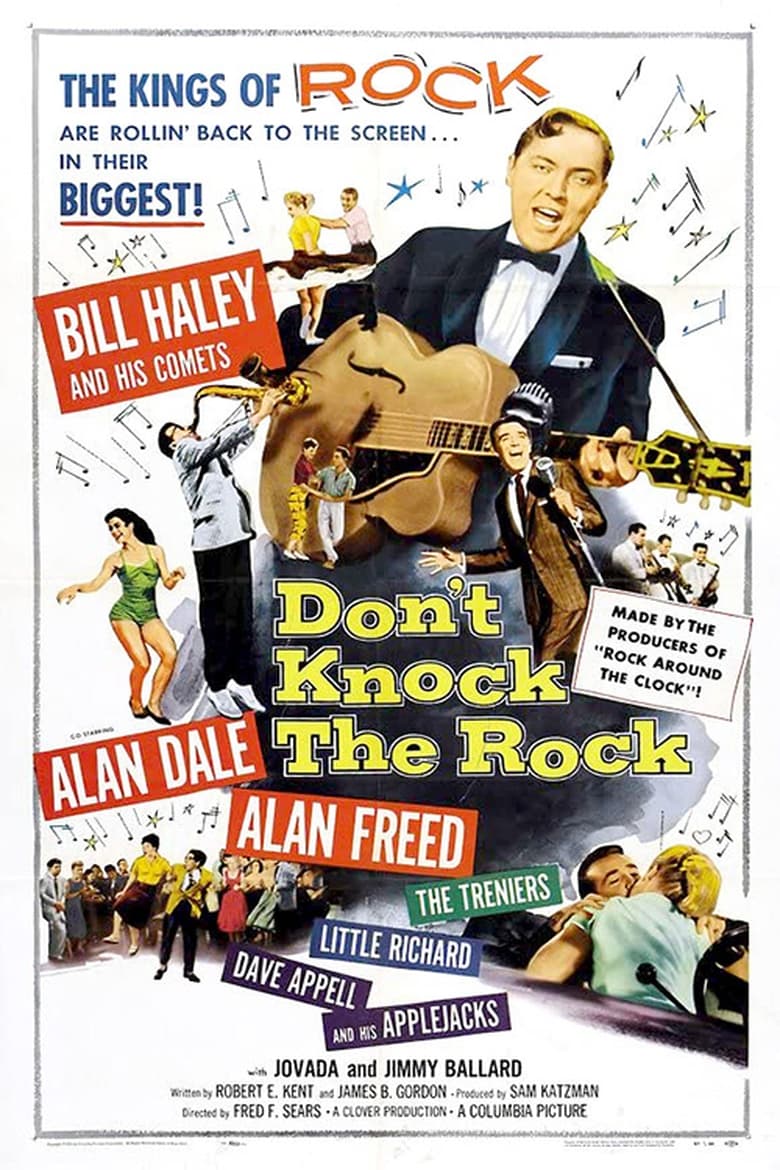
Rock-and-roller Arnie Haynes returns to his hometown as a hero to the teenagers. However, the mayor and other concerned adults have banned him from performing in his hometown because they consider him and his music a negative influence on the youth. But with the help of disc jockey/publicist Alan Freed and fellow artists (including Bill Haley and the Comets and Little Richard), they hope to convince everyone that rock and roll is not as dangerous as the adults think.
Overall Score
Limited
Category Breakdown
LGBTQ+ Representation
The film lacks any visible LGBTQ+ characters or narratives. The social landscape remains strictly aligned with 1950s heteronormative standards.
Gender Representation
The narrative is heavily male-centric, focusing on male musical icons and teenage boy dynamics. Female characters occupy secondary, supportive roles that reinforce traditional gender hierarchies.
Racial & Ethnic Diversity
The film features significant Black musical agency through figures like Little Richard. However, the broader cast and social structures remain largely homogeneous.
Religious & Cultural Diversity
The story frames conflict through generational friction rather than institutional critique. It tends to uphold traditional social order and mid-century moralism.
Disability Representation
There are no prominent depictions of visible or invisible disabilities. No characters utilize disability as a narrative device.
Strengths
Areas for Improvement
AI Analysis
Don't Knock The Rock serves primarily as a celebration of the burgeoning rock and roll movement. While it provides a vital platform for influential Black performers like Little Richard, the film's structure remains anchored in the social hierarchies of 1956. The narrative focuses on the tension between youth culture and authority figures, such as the Mayor. This generational conflict is presented through a lens of social stability rather than a systemic critique of the era's power structures. Ultimately, the film functions as a commercial product of its time. It captures a cultural shift in music while maintaining traditional mid-century norms regarding gender and social order.
1957
1956
1980

1964
1963
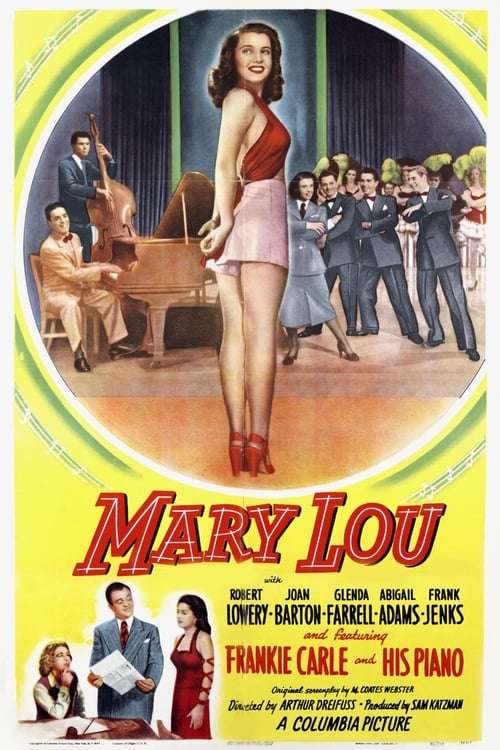
1948
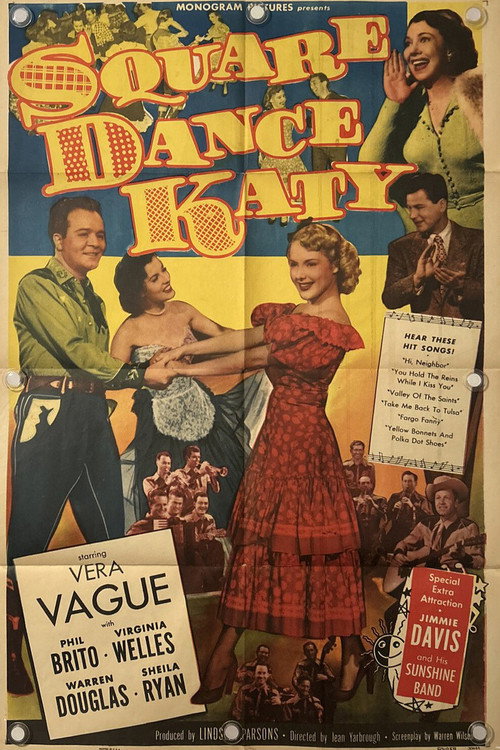
1950
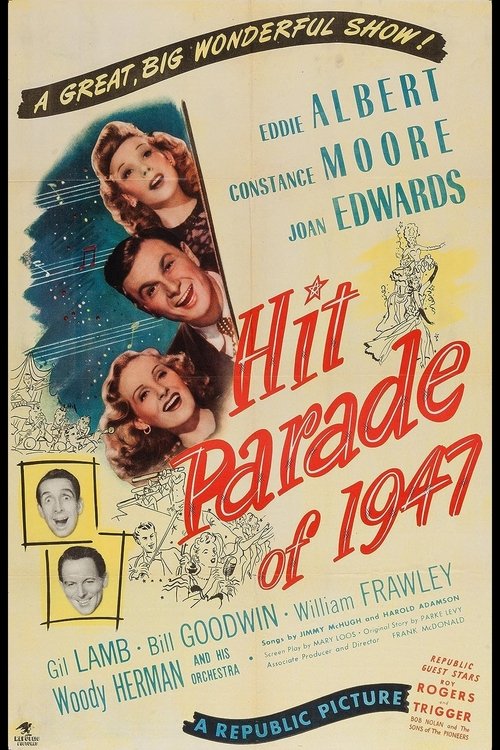
1947
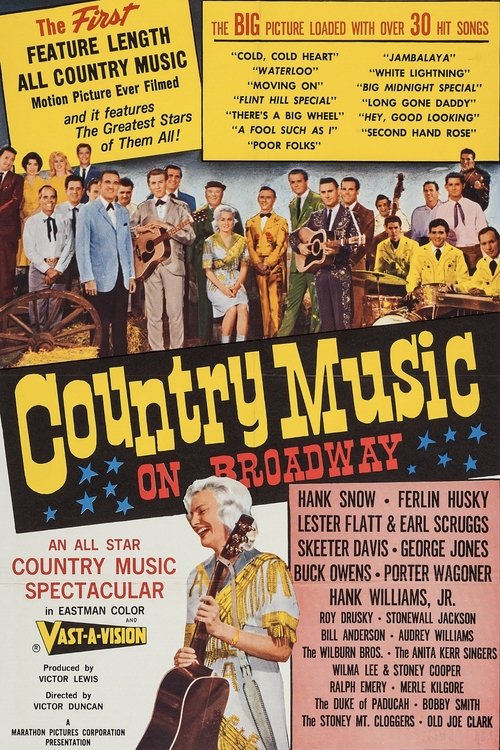
1965
1946
1964
1948
No reviews yet. Be the first to share your thoughts on this movie!
Use the rating form above to leave a star rating and optional review.