Let's Rock!
1958
No user ratings available yet
Representation score: 1.4 out of 10
Representation Score
Limited
1963
ApprovedDirector
Maury Dexter
Runtime
71 minutes
Average Rating
No ratings yetNew Showbiz Analysis
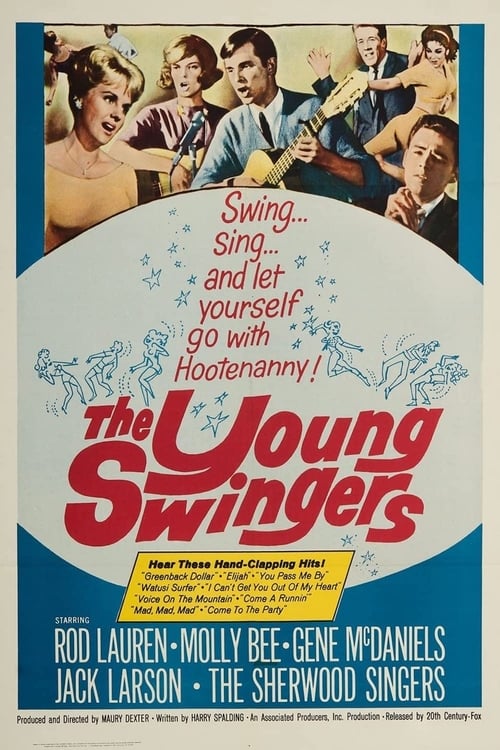
The Young Swingers is a period-specific musical drama that prioritizes community cohesion over social critique. Its narrative structure follows the traditionalist framework of early 1960s genre cinema, focusing on the preservation of a local social hub. Since the film centers on teenagers rallying to save a nightclub, the themes emphasize stability rather than the examination of systemic identity politics. The era's cinematic conventions significantly influence the likely demographic depictions. Ultimately, the film appears to adhere to the standard social constraints of its time, providing a conventional look at youth subculture without challenging established social hierarchies.
Category Breakdown
The film adheres to the 1963 framework, relying heavily on traditional romantic clichés. There is no evidence of LGBTQ+ identities or critiques of traditional social structures.
Female characters likely play passive or supportive roles within the musical numbers. The film does not challenge traditional gender hierarchies or masculinity.
The production likely reflects the era's tendency toward homogeneous casting. There is no indication of actively leading characters of color or race-bent casting to disrupt standard demographics.
The plot focuses on preserving a local nightclub and reinforcing community stability. It lacks anti-institutional sentiment, favoring the preservation of traditional social bonds.
The narrative contains no evidence of characters with visible or invisible disabilities.
Present on Screen
Limited or Absent
Official Synopsis
Singing teenagers rally to keep open their local nightclub.
1958
1958

1956
1954

1994
1963

1964
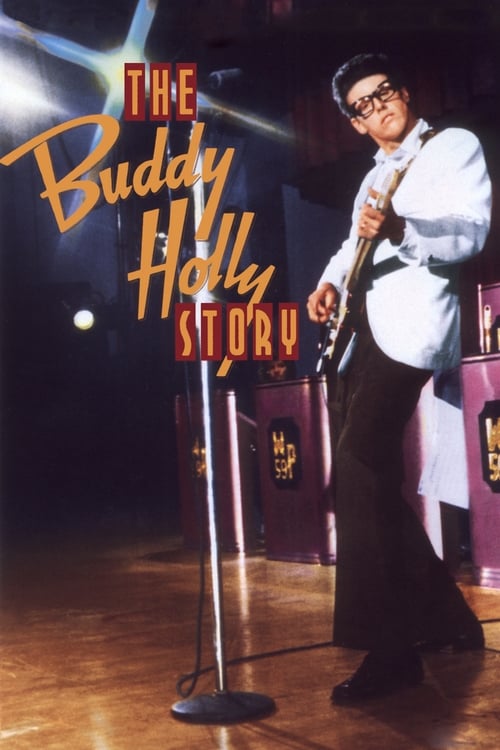
1978
No reviews yet. Be the first to share your thoughts on this movie!
Use the rating form above to leave a star rating and optional review.