Gorilla My Dreams
1948
No user ratings available yet
Representation score: 0.5 out of 10
Representation Score
Minimal
1955
Director
Paul J. Smith
Runtime
6 minutes
Average Rating
No ratings yetNew Showbiz Analysis
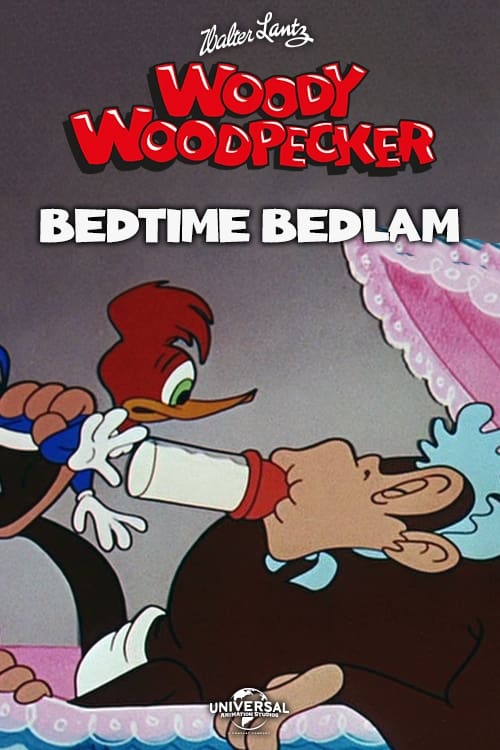
Bedtime Bedlam is a classic mid-century comedic short that emphasizes kinetic slapstick humor over social commentary. The narrative depends on the absurdity of a babysitting mishap involving a gorilla, serving as a mechanical plot device rather than a vehicle for representation. The film adheres closely to the production standards of its time, focusing on anthropomorphic characters and traditional social hierarchies. It lacks the complexity needed to challenge prevailing cultural norms or provide multi-layered perspectives. Ultimately, the film functions as a straightforward, situational comedy. It maintains a conventional approach to character roles and social structures, offering little to no subversion of the period's cultural norms.
Category Breakdown
The film follows conventional assumptions that everyone is straight or cisgender, typical of 1950s animation. There is no depiction of diverse sexual orientations or gender identities.
Woody Woodpecker plays a significant role in driving the story, but the plot lacks detailed character development. The conflict relies on chaotic situations rather than challenging traditional gender roles.
The focus is on slapstick humor involving an infant gorilla. The film does not address human racial or ethnic diversity.
The narrative upholds mid-century social structures, such as the nuclear family and transactional services. It does not offer any critique of Western institutions or secularism.
There are no characters with visible or invisible disabilities. The plot disruption is driven by biological species differences rather than neurodivergence or physical disability.
Present on Screen
Limited or Absent
Official Synopsis
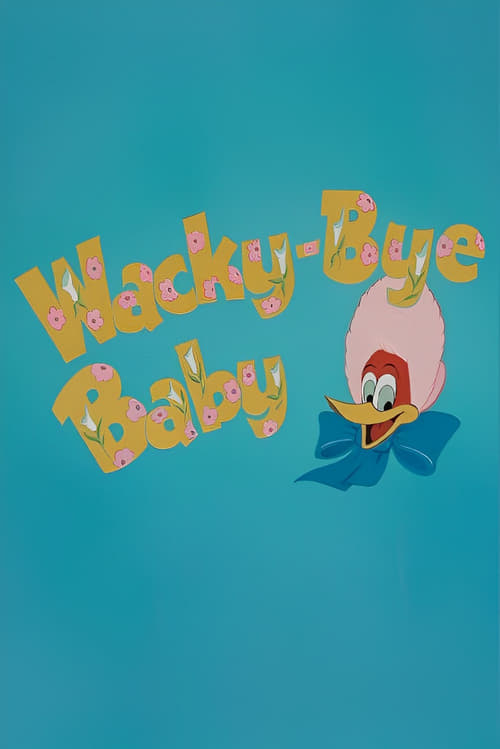
Woody Woodpecker is running a babysitting service and is offered $50 by a couple if he will look after their baby. Woody jumps at the chance. Unfortunately, turns out the baby is an infant gorilla!
1948
1961
1944
1958
1960

1959
1948
1957
No reviews yet. Be the first to share your thoughts on this movie!
Use the rating form above to leave a star rating and optional review.