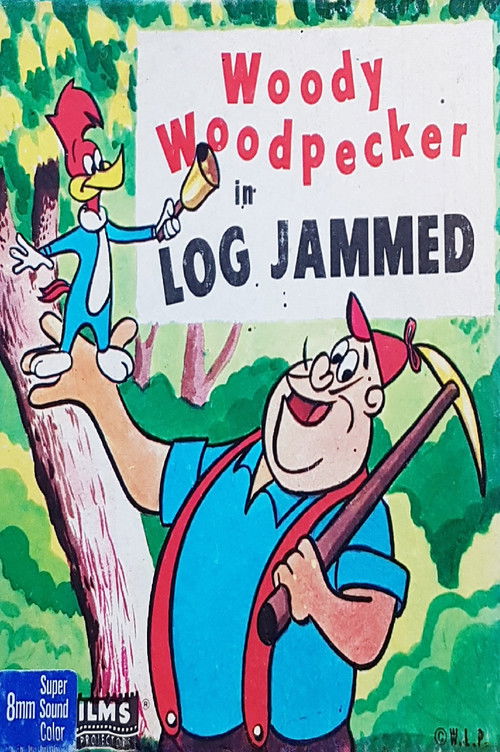
Log Jammed
1959
No user ratings available yet
Representation score: 1.3 out of 10
No Poster Available
Representation Score
Minimal
1968
ApprovedDirector
Paul J. Smith
Runtime
6 minutes
Average Rating
No ratings yetNew Showbiz Analysis
A Peck of Trouble adheres to the slapstick-driven animation structures common in the late 1960s. The narrative centers on a simple conflict between a woodpecker and two park rangers, emphasizing physical humor over character development. Since the story focuses on a narrow 'nature vs. authority' theme, it lacks the characters who reflect more than one aspect of diversity and social complexity found in more progressive works. The characters function as archetypes within a homogeneous setting, avoiding cultural or social exploration. Ultimately, the film serves as a typical genre piece. It does not attempt to challenge social norms or represent underrepresented identities, reflecting the limited narrative scope of mid-century short-form animation.
Category Breakdown
The film does not show any LGBTQ+ relationships or characters with non-cisgender identities. The story revolves around a conflict between a woodpecker and two park rangers, focusing on physical comedy.
The two park rangers are not specified by gender. While the era often emphasized traditional gender roles, the film does not provide any explicit descriptions of gender dynamics or hierarchies.
The setting and characters suggest a typical Western environment. There is no indication of a diverse cast or any use of color-blind casting.
The story follows a standard comedic conflict between a nuisance and institutional authority. It lacks any systemic critique or cultural deconstruction.
There is no evidence of characters with visible or invisible disabilities. The film does not include any neurodivergent representation.
Present on Screen
Limited or Absent
Official Synopsis
Woody drives the two park rangers of Gallstone National forest insane by pecking holes in all the trees.
1959
1958
1968
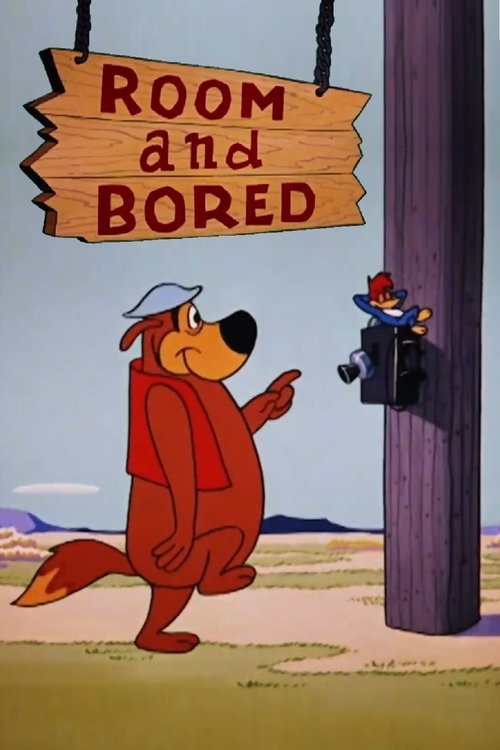
1962
1969
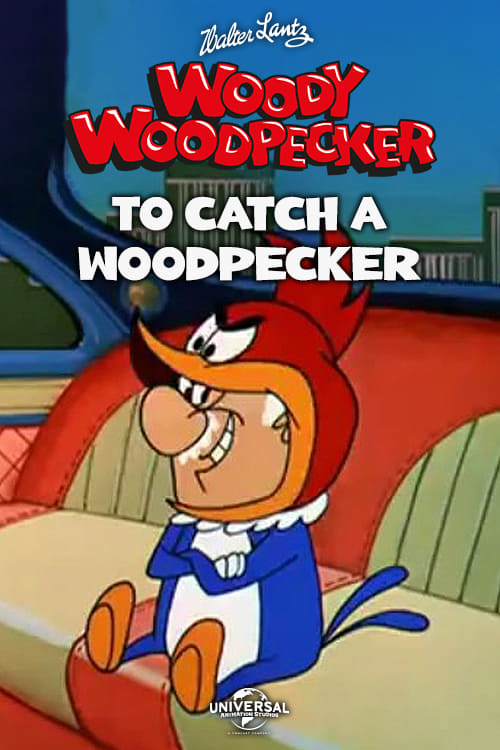
1957
1958
1952
No reviews yet. Be the first to share your thoughts on this movie!
Use the rating form above to leave a star rating and optional review.