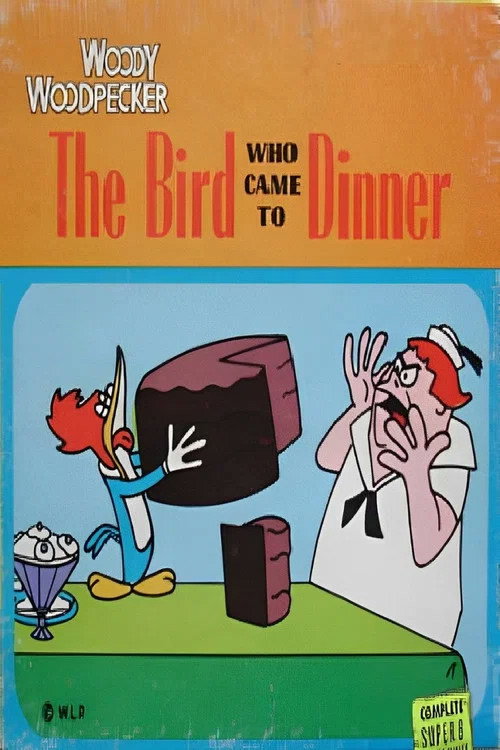
The Bird Who Came to Dinner
1961
No user ratings available yet
Representation score: 0.4 out of 10
No Poster Available
Representation Score
Minimal
1968
GDirector
Paul J. Smith
Runtime
6 minutes
Average Rating
No ratings yetNew Showbiz Analysis
Woody the Freeloader is a product of its era, prioritizing slapstick comedy and established archetypes over social complexity. The narrative structure relies on a trickster protagonist exploiting an elderly character, reinforcing traditional domestic roles rather than challenging them. The film lacks representation of diverse racial, ethnic, or LGBTQ+ identities. Characters exist within a homogeneous, conventional setting that avoids any meaningful engagement with progressive social themes. Ultimately, the work uses disability as a mere plot device for deception. This reliance on clichés for quick laughs prevents the film from offering any substantive or nuanced representation of the human experience.
Category Breakdown
The film does not include any representation of LGBTQ+ identities or same-sex relationships. The story focuses solely on the interactions between Woody and an elderly woman.
The story relies on traditional gender roles, featuring an elderly female caregiver and a male-coded trickster protagonist. It does not challenge established social hierarchies.
There is no indication of a diverse cast or non-Anglo-Saxon characters. The setting suggests a homogeneous domestic environment typical of mid-century Western animation.
The film upholds traditional domesticity and the role of caregivers. It operates within established Western social norms without critiquing them.
Physical impairment is used as a fraudulent comedic device rather than a lived experience. The plot centers on faking an illness to exploit others for personal gain.
Present on Screen
Limited or Absent
Official Synopsis
Woody Woodpecker fakes an illness to get all the comforts of home from a little old lady.
1961
1962
1968
1938
1952
1958
1957
1959
No reviews yet. Be the first to share your thoughts on this movie!
Use the rating form above to leave a star rating and optional review.