How to Stuff a Woodpecker
1960
No user ratings available yet
Diversity score: 1.8 out of 10
1956
Director
Paul J. Smith
Runtime
6 minutes
Average Rating
No ratings yetSynopsis
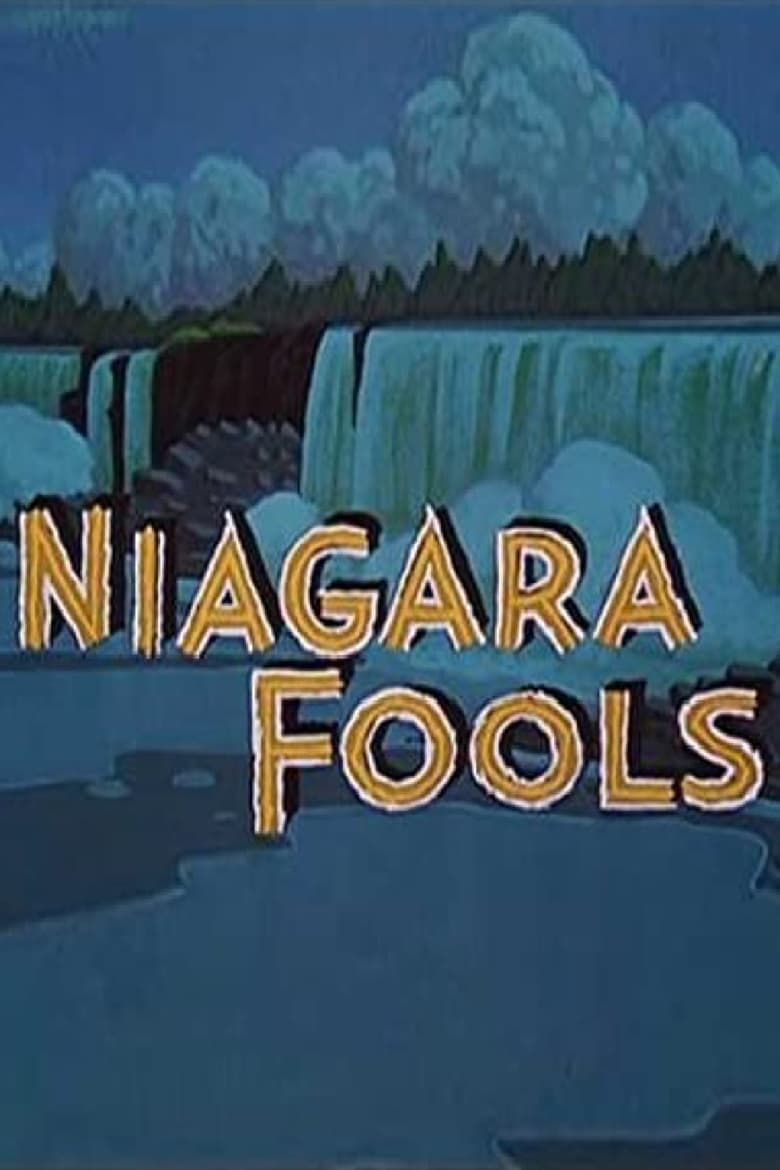
Woody Woodpecker visits Niagara Falls---on the Canadian and American side both, according to some viewers---and asks about going over the famous falls in a barrel which the guard tells him it is forbidden, which immediately makes Woody decide to do it, anyway. Woody uses everything BUT a ladder in his attempts, and the guard prevents him going over several times, but the guard winds up in a barrel and goes over himself. Woody, dressed as a policeman, is awaiting him at the bottom to give him a ticket for breaking the law.
Overall Score
Limited
Category Breakdown
LGBTQ+ Representation
The film contains no LGBTQ+ characters or narratives. It adheres to the conventional character archetypes typical of 1950s animation.
Gender Representation
The story centers on Woody Woodpecker, a traditionally male protagonist. There is no evidence of complex female characters or the subversion of gender hierarchies.
Racial & Ethnic Diversity
The cast lacks ethnic or multi-ethnic diversity. The characters and setting align with the homogeneous casting standards of the mid-century animation industry.
Religious & Cultural Diversity
The plot explores a conflict between an individual and institutional authority. This serves as a comedic device rather than a critique of specific socio-political ideologies.
Disability Representation
There are no characters with visible or invisible disabilities. No such representation is used as a plot device within the film.
Strengths
Areas for Improvement
AI Analysis
Niagara Fools is a product of the mid-century studio system, prioritizing slapstick comedy over social complexity. The narrative is driven by a singular, anthropomorphic protagonist navigating a conflict with an authority figure, which limits the scope for diverse character dynamics. The film reflects the demographic homogeneity of 1950s American animation. It lacks intentional intersectional representation, focusing instead on established comedic tropes and traditional character archetypes. Ultimately, the work functions within a narrow commercial framework, offering little disruption to the social hierarchies or casting standards of its era.
1960

1959
1957
1957

1945
1975
1967
1968
1952
1959
1945
1956
No reviews yet. Be the first to share your thoughts on this movie!
Use the rating form above to leave a star rating and optional review.