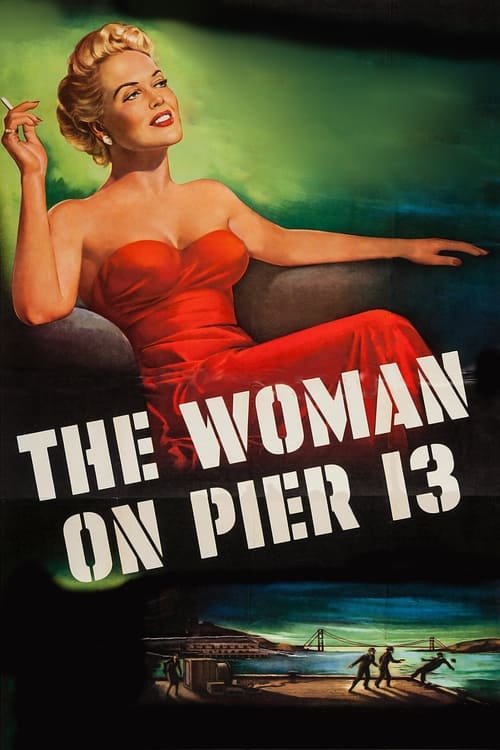
The Woman on Pier 13
1950
No user ratings available yet
Representation score: 1.1 out of 10
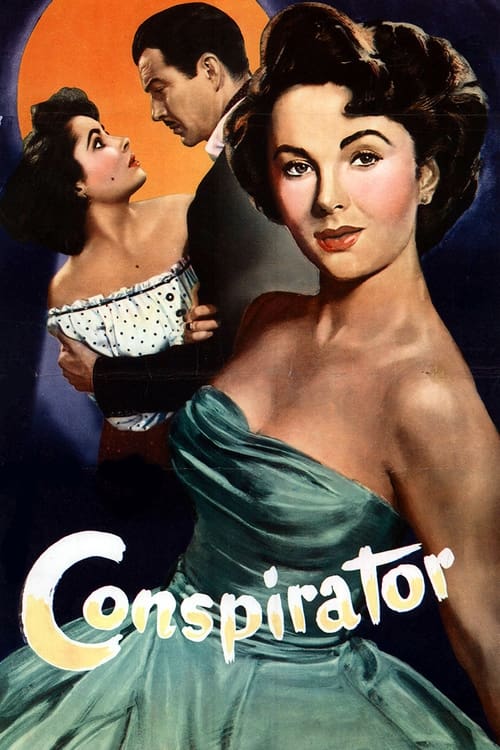
Representation Score
Limited
1949
NRDirector
Victor Saville
Runtime
87 minutes
Average Rating
No ratings yetNew Showbiz Analysis
Conspirator provides a detailed exploration of the deconstruction of historical power structures. While the demographic makeup remains traditional, the film avoids limiting female roles by focusing on Marie Antoinette's significant influence during a time of systemic change. The film's strength lies in its thematic complexity, particularly in how it portrays the decay of aristocracy and the emergence of revolutionary governance. However, it lacks diversity in terms of race, disability, and LGBTQ+ identities, which reflect both the historical context and the production standards of 1949.
Category Breakdown
The film does not include any LGBTQ+ narratives or characters with non-traditional gender identities.
The movie focuses on the female experience in a high-stakes political environment. Marie Antoinette is shown with significant depth, dealing with the collapse of masculine power structures.
The cast is primarily white and European, reflecting the historical period and production context of 1949. It does not include perspectives from non-Anglo-Saxon cultures.
The film critiques traditional Western institutions by showing the collapse of the French monarchy. It highlights a shift towards subjective morality and the breakdown of established legal and religious authority.
There is no representation of physical or neurodivergent disabilities among the main characters or the supporting cast.
Present on Screen
Limited or Absent
Official Synopsis
A newlywed suspects her husband of being a Communist spy.
1950

1969
1951
1944
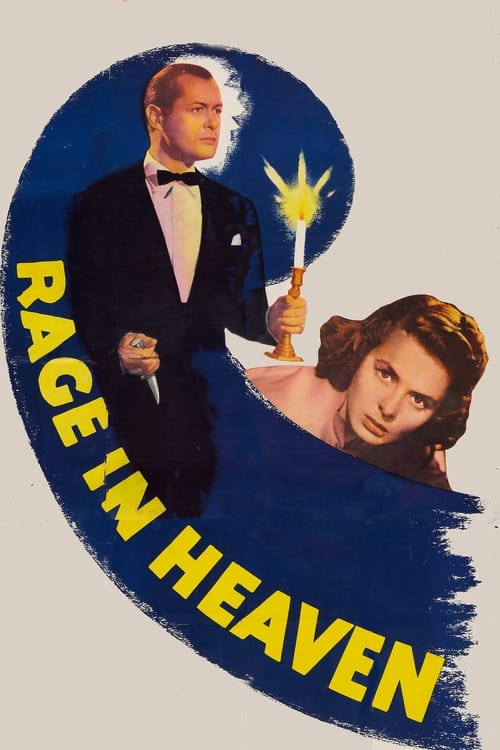
1941
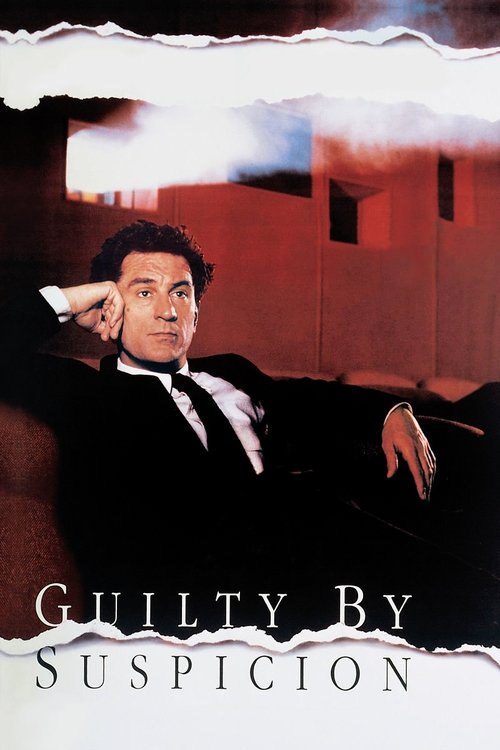
1991
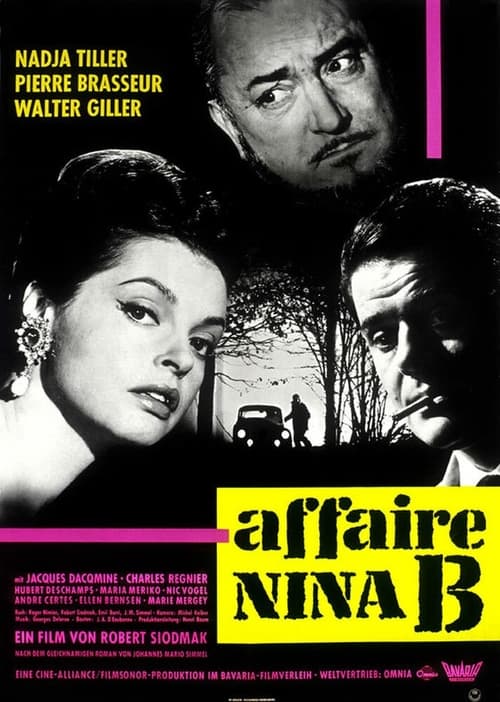
1961
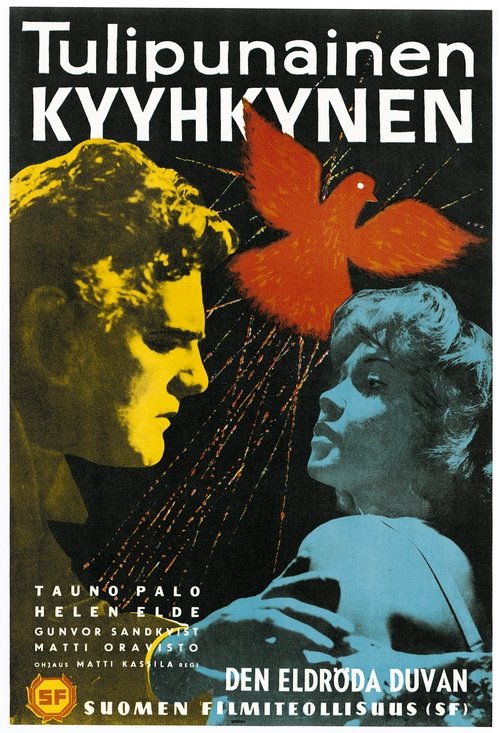
1961
No reviews yet. Be the first to share your thoughts on this movie!
Use the rating form above to leave a star rating and optional review.