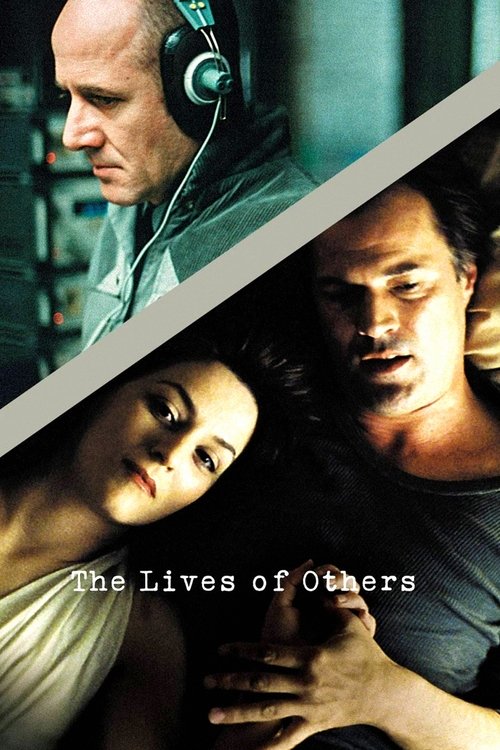
The Lives of Others
2006
No user ratings available yet
Representation score: 5.7 out of 10

Representation Score
Good
2019
Director
Irena Pavlásková
Runtime
90 minutes
Average Rating
No ratings yetNew Showbiz Analysis
The film excels at subverting traditional power dynamics by centering a strong, autonomous female character against a backdrop of systemic oppression. This focus on individual ability to act provides a sophisticated critique of state surveillance and institutional control. However, the narrative lacks breadth in its representation of identity. The focus on Western and Central European demographics limits racial the way different parts of someone's identity overlap, and the film provides no clear evidence of LGBTQ+ identities or disability representation.
Category Breakdown
The film suggests non-traditional social behaviors through Olga's flamboyant and wild personality, but does not explicitly confirm specific LGBTQ+ identities or same-sex intimacy.
Olga serves as a powerful driver of the plot, disrupting traditional hierarchies. Her significant role forces the male protagonist into a position of vulnerability.
The story explores the friction between Western and Eastern identities through its American and Czech characters. The cast remains largely focused on Western and Central European demographics.
The narrative offers a strong critique of institutional power and state-mandated morality. It uses the oppressive Czechoslovakian state to explore themes of anti-authoritarianism and individual liberty.
There is no mention of physical or neurodivergent disabilities within the character descriptions or plot summary.
Present on Screen
Limited or Absent
Official Synopsis
In 1976 a famous American writer Nathan Zuckerman is challenged by Czech immigrant Sisovsky who implores him to retrieve valuable manuscripts from communist Czechoslovakia. The writer accepts this dangerous mission, where his every step is observed by secret police. Once in Prague, he meets Sisovsky‘s flamboyant and wild ex-wife Olga who is in possession of the manuscripts. The evolving relationship between the hot-headed Olga and Nathan is a confrontation between two worlds - the repressed East and free West. But, Olga won‘t give up the manuscripts to Nathan so easily…
2006
1970
1966

2007

2019
1969
2021
1985
No reviews yet. Be the first to share your thoughts on this movie!
Use the rating form above to leave a star rating and optional review.