The Trap
1974
No user ratings available yet
Representation score: 1.8 out of 10
Representation Score
Fair
1986
Director
Stole Popov
Runtime
124 minutes
Average Rating
No ratings yetNew Showbiz Analysis
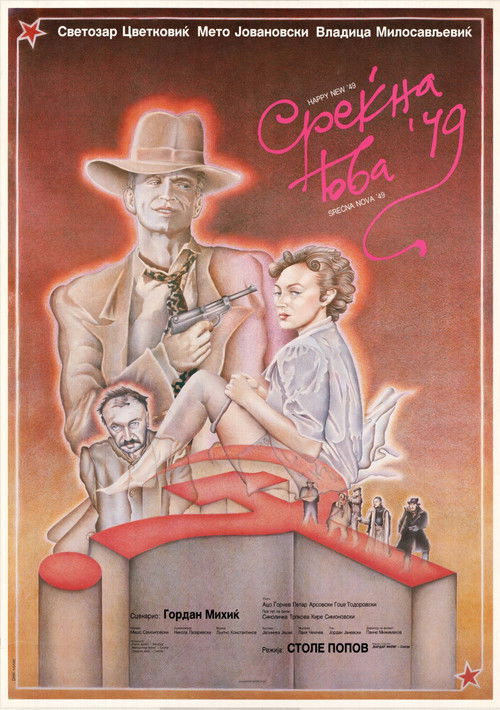
Happy New '49 is a historical drama that uses the friction of the Cominform era to examine systemic oppression. It avoids simple moral binaries, instead focusing on how political instability impacts individual ability to act and truth. The film succeeds in presenting women as active participants in political and underworld spheres. It also effectively utilizes the multi-national tensions of the Yugoslavian landscape to create a rich, complex setting. However, the exploration of LGBTQ+ themes remains ambiguous, functioning more as a catalyst for conflict than a deep dive into identity. The lack of disability representation also limits the scope of its social commentary.
Category Breakdown
The film uses the differing sexual orientations of two brothers to drive character conflict. However, it is unclear if the story explores specific LGBTQ+ identities or merely uses them as plot devices.
Women in this drama move beyond domestic roles to occupy high-stakes political and criminal spheres. Characters like Vera and a Soviet spy demonstrate a significant role in driving the story within a tense environment.
Set during the Cominform era, the story navigates a multi-ethnic landscape shaped by shifting geopolitical identities. The presence of Russian influences highlights a complex, non-monolithic regional setting.
The narrative critiques institutional power and the rigidity of ideological structures. It centers on the injustice of state authority during a period of intense political paranoia and corruption.
The film provides no visible evidence regarding the portrayal of physical or neurodivergent disabilities.
Present on Screen
Limited or Absent
Official Synopsis
The story of two brothers of different orientation and fate. The drama takes place in an atmosphere of tension and fear, during the conflict of Yugoslav Communist Party with the Stalinism, during the Cominform. Older brother Dragoslav, a returnee from Russia, was unjustly accused of being a Russian spy and subsequently arrested. Younger brother Kosta is not interested in politics, but he's attracted by a brother's wife Vera and underworld mafia. In the end, it turns out that a young woman belongs to the Soviet spy agency.
1974
1985

1970

1994
1976
1981
1999
1942
No reviews yet. Be the first to share your thoughts on this movie!
Use the rating form above to leave a star rating and optional review.