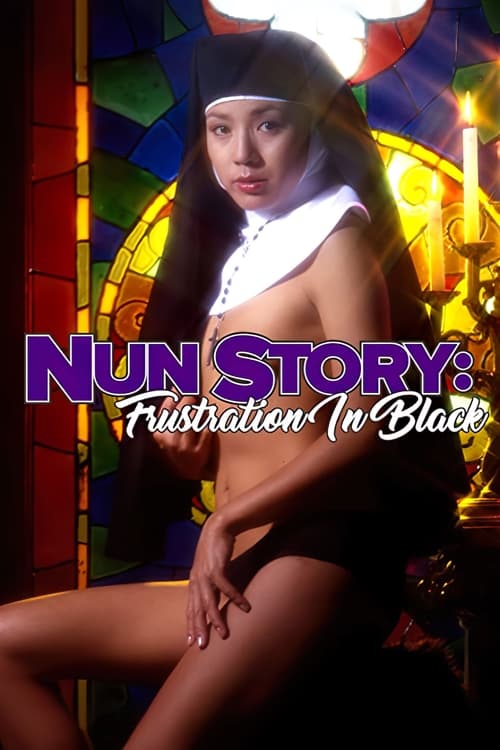
Nun Story: Frustration in Black
1980
No user ratings available yet
Representation score: 4.2 out of 10

Representation Score
Fair
1978
Director
Kōyū Ohara
Runtime
70 minutes
Average Rating
No ratings yetNew Showbiz Analysis
Sins of Sister Lucia primarily serves as a critique of institutionalized morality rather than a study of demographic diversity. Its strength lies in its narrative structure, which exposes the corruption hidden behind religious facades by challenging established social and moral hierarchies. Although the film lacks significant representation regarding race or LGBTQ+ identities, it effectively deconstructs traditional authority. By positioning the 'sinner' as a more honest actor than the pious leadership, the film disrupts conventional social structures. Ultimately, the work explores moral relativism, using the setting of a monastery to question the sanctity of religious institutions and the hypocrisy of forced piety.
Category Breakdown
The story revolves around a heterosexual relationship that breaks societal norms between the protagonist and her teacher. There is no indication of queer undertones or characters who don't conform to traditional heterosexual norms.
The film challenges traditional gender roles by presenting the protagonist as a disruptive force against domestic piety. It questions institutionalized female authority through the depiction of the Mother Superior.
The story is set within a specific Japanese cultural context. Although an English teacher is mentioned, there is no evidence of a multi-ethnic cast.
The film questions the sanctity of religious institutions by portraying the monastery as a place of hypocrisy. It emphasizes subjective morality over the performance of religious rituals.
There are no visible or invisible disabilities shown in the narrative.
Present on Screen
Limited or Absent
Official Synopsis
Rumiko is a misbehaving girl who got caught stealing the cash her father had at home for bribes. Father would not accuse her of that, but when he caught her having sex with her English teacher, he was justified in sending her to a monastery, where the nuns try to force her to become a good girl. However, after a few days in forced piety, Rumiko (now Sister Lucia) discovered that her sins were nothing in comparison with those of other Sisters, and Mother Superior's.
1980
1967
1979
1987

1973

1980

1980
1980
No reviews yet. Be the first to share your thoughts on this movie!
Use the rating form above to leave a star rating and optional review.