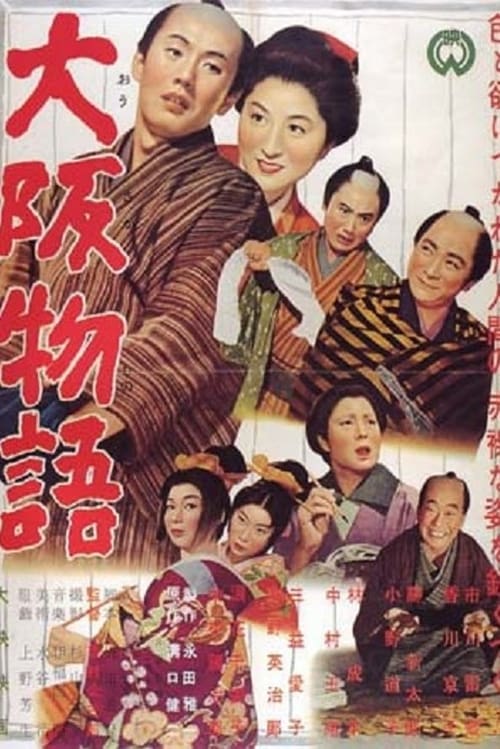
An Osaka Story
1957
No user ratings available yet
Representation score: 1.9 out of 10

Representation Score
Fair
1949
Director
Hiroshi Shimizu
Runtime
97 minutes
Average Rating
No ratings yetNew Showbiz Analysis
Hiroshi Shimizu’s film is a humanistic character study focused on the erosion of social hierarchies. It avoids grandiosity, opting instead for an intimate look at an individual struggling against societal expectations. The film lacks modern markers of diversity, such as explicit LGBTQ+ representation or varied gender roles. It primarily explores class and the burden of social reputation in a localized context. Ultimately, the work provides value through its skepticism of traditional social standing. It replaces the cliché of the successful patriarch with a protagonist defined by vulnerability and economic change.
Category Breakdown
The film does not include any explicit LGBTQ+ characters or representations of non-straight relationships. Instead, it focuses on traditional social obligations and family ties within mid-century society.
The story revolves around Saheita, a male protagonist who navigates a declining social status. While the film avoids simplistic depictions of masculine dominance, it does not show women challenging hierarchies or having significant influence.
As a 1949 Japanese production, the cast is culturally uniform. It provides an authentic, localized perspective on post-war Japanese social classes without a Western-centric viewpoint.
The narrative examines the fragility of class hierarchies through a protagonist facing bankruptcy. It offers a nuanced critique of the rigid expectations and social reputation needed to maintain 'face.'
There are no characters with visible or invisible disabilities mentioned in the narrative.
Present on Screen
Limited or Absent
Official Synopsis
Saheita, the final heir of a once rich and respectable family, can't refuse the many villagers that come to him for favours and money, even though he is on the brink of bankruptcy. Around town he is better known by his nickname Mr. Shosuke Ohara.
1957
1958
2016
1961

1933
1931
2002
2003
No reviews yet. Be the first to share your thoughts on this movie!
Use the rating form above to leave a star rating and optional review.