
Rififi
1955
No user ratings available yet
Representation score: 1.5 out of 10
Representation Score
Limited
1981
Not RatedDirector
Alain Corneau
Runtime
135 minutes
Average Rating
No ratings yetNew Showbiz Analysis
Alain Corneau’s film emphasizes historical realism and the psychological impact of occupation over modern diversity. It operates within the demographic and social norms of the 1940s, resulting in limited diversity. However, the film offers a sophisticated exploration of moral relativism and situational ethics. It challenges the stability of traditional institutions and delves into the complexities of survival during occupation.
Category Breakdown
The film does not include any identifiable LGBTQ+ characters or stories. The focus on the French Resistance during World War II leaves little room for non-traditional gender identities.
Women play important roles within the Resistance and civilian life, but the film follows traditional wartime gender roles where women are not the primary drivers of the plot.
The film features a predominantly white cast reflecting the time period. There are no non-white characters who have significant roles or influence over the story.
The film effectively explores moral relativism, showing how organized vigilantism can be seen as necessary in response to corrupt regimes and occupying forces.
The film does not feature any characters with visible or invisible disabilities that play a central role in the story.
Present on Screen
Limited or Absent
Official Synopsis
A former crook is pulled out of retirement when a gang on the run turn to him for shelter after a prison break.
1955

1975
1976
1972

1977

1984
1977
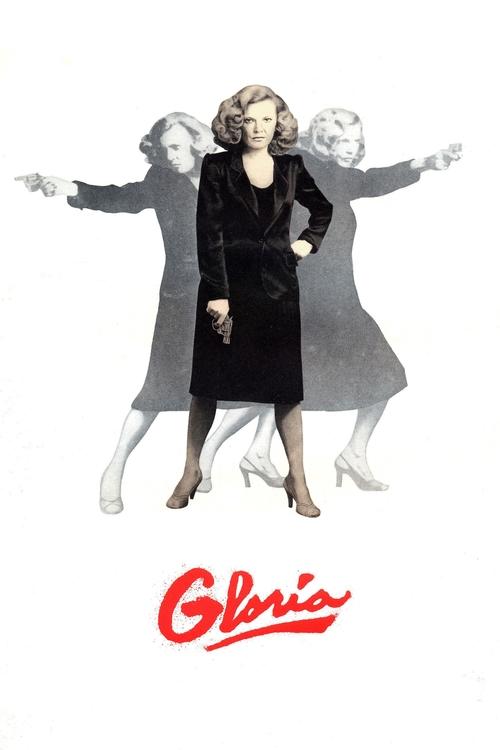
1980
No reviews yet. Be the first to share your thoughts on this movie!
Use the rating form above to leave a star rating and optional review.