
The Escape
1998
No user ratings available yet
Representation score: 3.3 out of 10
Representation Score
Limited
2002
RDirector
Gillies MacKinnon
Runtime
88 minutes
Average Rating
No ratings yetNew Showbiz Analysis
The Escapist is a character-driven thriller that focuses on dismantling state power rather than diverse representation. While it effectively challenges the morality of legal systems by emphasizing personal autonomy, the film remains rooted in traditional hierarchies. The narrative centers on masculine archetypes of vengeance and stoicism, which overshadows diverse representation. This focus leaves underrepresented identities largely unaddressed. Overall, the film serves more as a critique of institutional corruption than a diverse social study, presenting a homogeneous environment that adheres to traditional demographic norms.
Category Breakdown
The film does not include any visible LGBTQ+ characters or non-cisgender identities. The prison setting is portrayed through a traditional lens that emphasizes heterosexual relationships without challenging conventional gender norms.
The story revolves around a rigid, male-dominated structure where female characters mainly serve as catalysts for the protagonist's revenge rather than having independent roles.
The cast is predominantly white and Anglo-Saxon, reflecting the conventions of early 2000s British thrillers. There is a lack of meaningful racial diversity in key roles.
The film critiques Western institutions and the carceral system, depicting state mechanisms as dehumanizing and highlighting the failure of state-sanctioned justice.
The film does not significantly address neurodivergence, physical disabilities, or chronic illnesses. Psychological themes are presented as universally relatable rather than exploring specific mental health issues.
Present on Screen
Limited or Absent
Official Synopsis
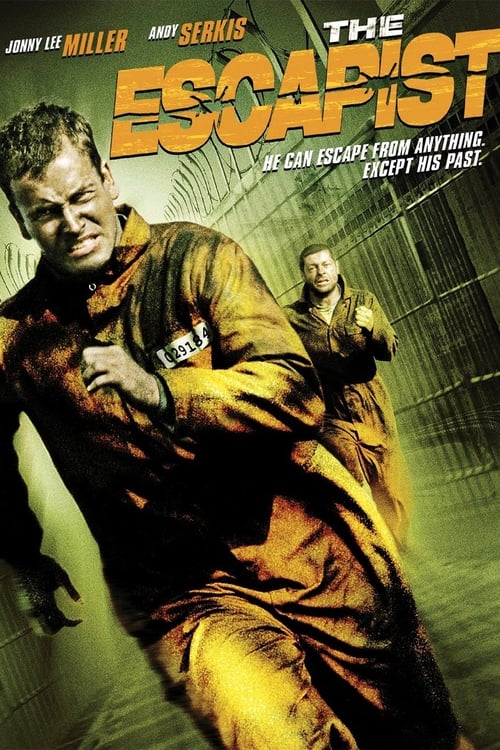
Denis Hopkins, a pilot, lives with his pregnant wife Valerie and has a comfortable lifestyle. When a gang of criminals led by the sadistic Ricky Barnes breaks into his home, he offers whatever the criminals want to protect his wife and unborn child, but the evil Ricky kills Valerie anyway. Their baby is saved, and later Barnes is arrested and sentenced to life in the maximum security prison, Sullen Voe. Denis fakes his own suicide, then assaults a police car in order to get himself arrested and sent to prison with the intention of tracking down and killing Ricky Barnes. He does not reveal his true name and is called John "What" by the prisoners and guards. Denis escapes from successive prisons, forcing his eventual transfer to Sullen Voe. When he reaches his objective, Ricky Barnes schedules a confrontation, but things do not quite turn out the way Denis had expected.
1998

1994
1996
2008
2010

2011

2015

1989
No reviews yet. Be the first to share your thoughts on this movie!
Use the rating form above to leave a star rating and optional review.