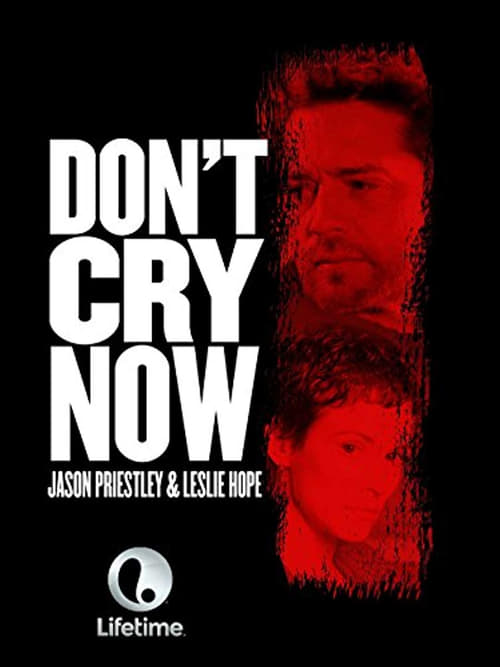
Don't Cry Now
2007
No user ratings available yet
Representation score: 2.8 out of 10

Representation Score
Limited
1991
RDirector
Larry Elikann
Runtime
99 minutes
Average Rating
No ratings yetNew Showbiz Analysis
Fever is a typical genre thriller that relies heavily on established clichés from the early 1990s. The narrative structure emphasizes a conventional romantic conflict and a male-driven rescue mission, limiting the depth of its social representation. The film lacks complexity in representing multiple aspects of identity, focusing instead on a traditional cast of characters. This reinforces existing social hierarchies rather than challenging them. Ultimately, the work functions as a mainstream period piece that adheres to the demographic and narrative norms of its era, offering little in the way of diverse perspectives or systemic critique.
Category Breakdown
The story revolves around a traditional romantic relationship involving two men and one woman. There is no indication of non-binary gender identities or narratives that challenge the assumption that everyone is straight or cisgender.
Lacy mainly serves as a plot device through her kidnapping. While Elliott offers a slight break from hyper-masculinity as a pacifist, the main roles remain with the male leads.
The film lacks evidence of diverse racial representation. Given its 1991 release, the narrative likely reflects the demographic homogeneity typical of Western media from that era.
The plot centers on personal morality and interpersonal conflicts rather than systemic critique. It follows conventional Western storytelling about crime, consequences, and the pursuit of romantic stability.
The available information does not mention any characters with visible or invisible disabilities. There is no representation in this category.
Present on Screen
Limited or Absent
Official Synopsis
Fresh out of prison, all Ray wants is to get back with Lacy, but she's in a stable relationship now with Elliott, a pacifist, and wants nothing to do with him. When she's kidnapped by Ray's former associates, he and Elliott must team up to save the woman they love.
2007

1994

1999

1974

1995

1993

1991

1990
No reviews yet. Be the first to share your thoughts on this movie!
Use the rating form above to leave a star rating and optional review.